Quote · Added 15 February 2026
The ruling ideas of each age have ever been the ideas of its ruling class.
Karl MarxThe German Ideology, 1846
No ratings yet
Quote · Added 15 February 2026
We tend to think of beliefs as things we discover or figure out for ourselves—truths that just exist in the world waiting to be found. But Marx is pointing at something harder to see: the worldviews that feel most natural and obvious to us often reflect who holds power. What seems like common sense in any era—whether that's the divine right of kings, the virtue of endless growth, or the inevitability of hierarchy—usually benefits someone already doing well.
The tricky part is this applies even when we think we're being original or rebellious. If you absorb your values from the books you read, the news you consume, the people around you, you're often absorbing the framework of whoever shapes those spaces. That doesn't make you foolish or brainwashed—it's how culture works. But it means staying curious requires occasionally stepping back and asking: who benefits from me believing this? What would look different if I didn't take this assumption for granted?
This doesn't mean nothing is true or that all ideas are equally suspect. It just means the most invisible ideas—the ones that feel like reality itself rather than ideas—deserve the most careful attention.
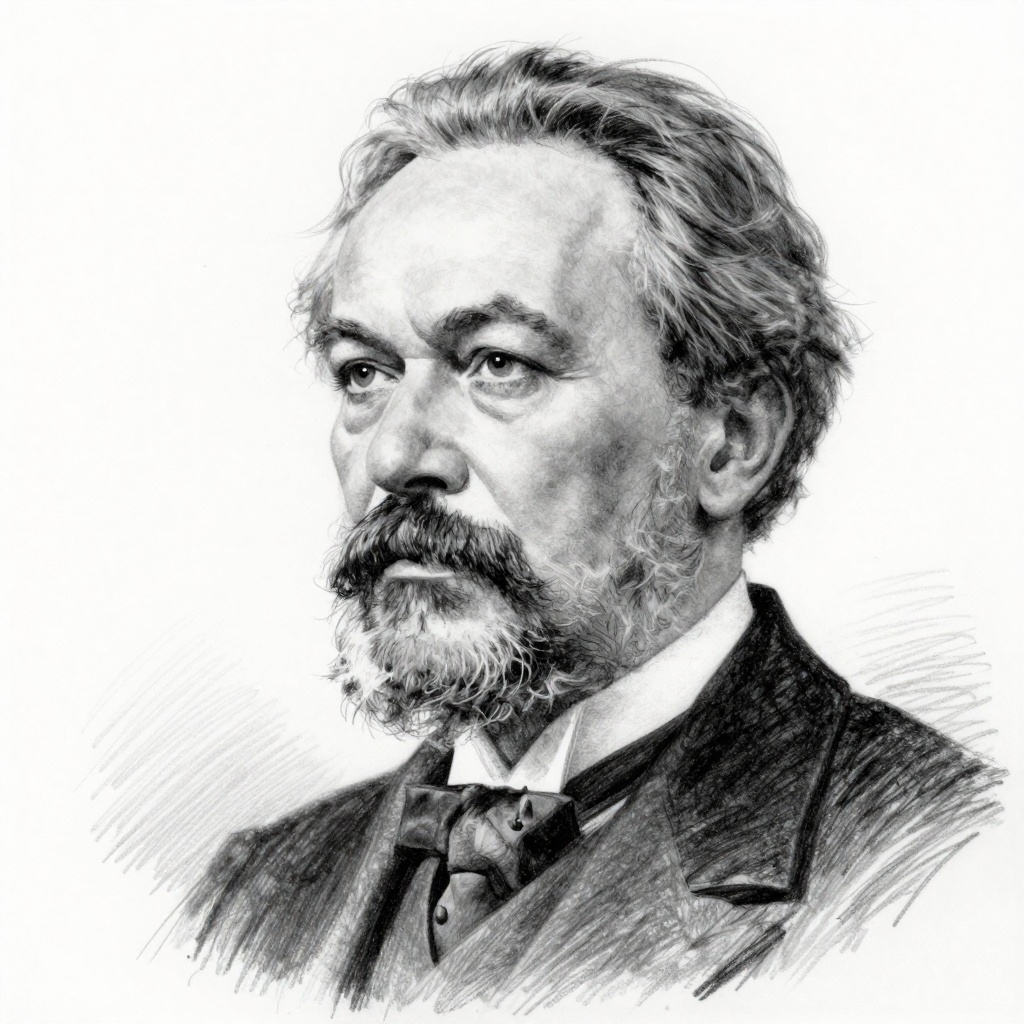
1818–1883·lived 64 years
Karl Marx was a German philosopher, economist, and revolutionary socialist, best known for his critiques of capitalism and his advocacy for socialism. He co-authored "The Communist Manifesto" in 1848 and wrote "Das Kapital," which laid the foundations for the theory of Marxism. His ideas have had a profound impact on political thought and movements worldwide.
Comments