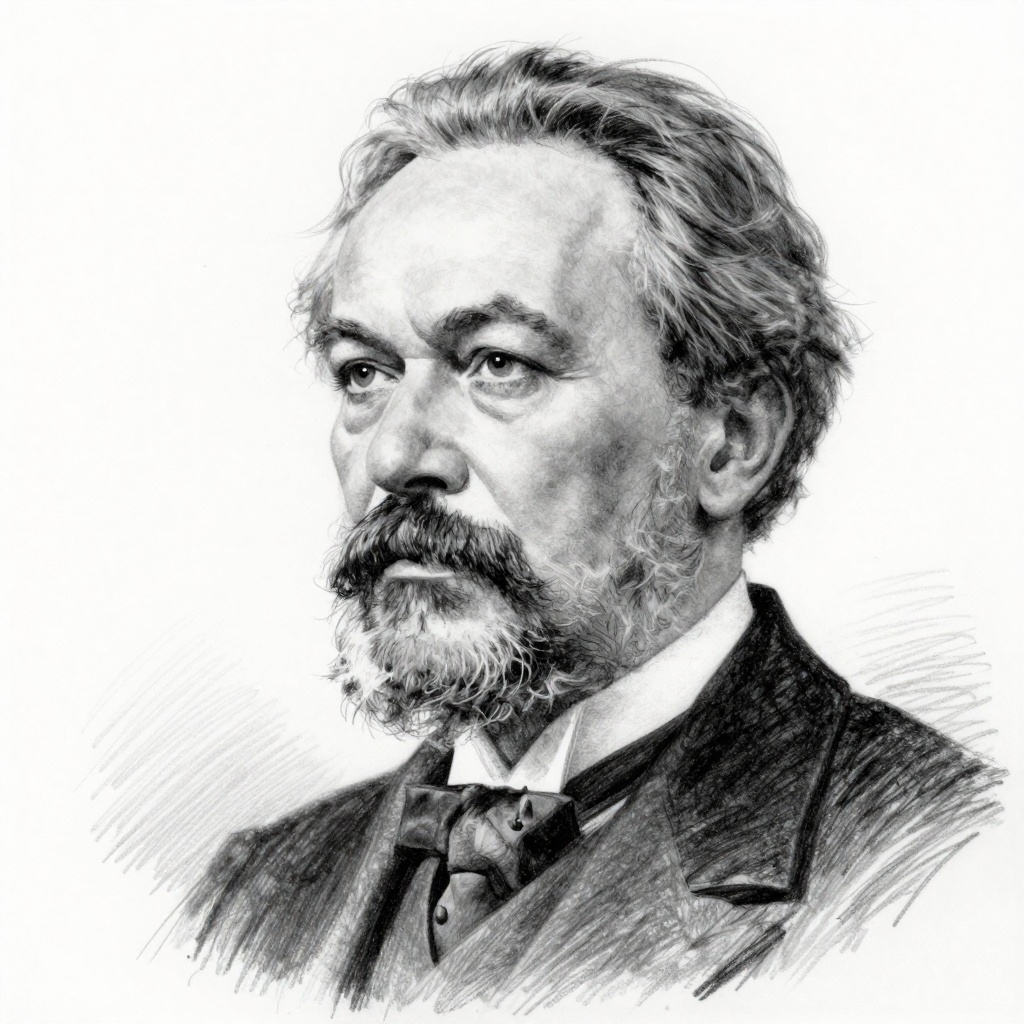
Capital is money, capital is commodities. By virtue of it being value, it has acquired the occult ability to a... — Karl Marx

Capital is money, capital is commodities. By virtue of it being value, it has acquired the occult ability to add value to itself. It brings forth living offspring, or, at the least, lays golden eggs.

Author: Karl Marx

Insight: Money has this almost magical quality to it—once you have enough, it seems to multiply on its own. You put it in a savings account or investment, and it generates more money without you lifting a finger. That's what Marx is getting at with his strange language about capital breeding and laying golden eggs. It's not the work itself that creates this new value; it's the fact that you own something that the system treats as inherently productive. What makes this observation stick today is how invisible the mechanism has become. When you buy stock or put money in a fund, you're not watching anything tangible happen. No widget is being built. Yet somehow your account grows. This invisible multiplication is precisely why wealth concentration accelerates—the more capital you own, the more it works for you automatically. Meanwhile, someone working an hourly job exchanges their time for a paycheck that doesn't breed anything further. They're trapped in direct exchange, while capital owners benefit from this almost supernatural compounding. The unsettling part isn't just that this happens—it's that we've naturalized it so completely. We call it "returns" and "growth" as if it's obvious and eternal. But Marx's deliberately creepy language reminds us there's nothing natural about money making money. It only works because we collectively agree the system operates this way. Understanding that agreement exists is the first step toward questioning whether it's serving us well.

Money multiplies itself invisibly

Capital is money, capital is commodities. By virtue of it being value, it has acquired the occult ability to add value to itself. It brings forth living offspring, or, at the least, lays golden eggs.

Money has this almost magical quality to it—once you have enough, it seems to multiply on its own. You put it in a savings account or investment, and it generates more money without you lifting a finger. That's what Marx is getting at with his strange language about capital breeding and laying golden eggs. It's not the work itself that creates this new value; it's the fact that you own something that the system treats as inherently productive.

What makes this observation stick today is how invisible the mechanism has become. When you buy stock or put money in a fund, you're not watching anything tangible happen. No widget is being built. Yet somehow your account grows. This invisible multiplication is precisely why wealth concentration accelerates—the more capital you own, the more it works for you automatically. Meanwhile, someone working an hourly job exchanges their time for a paycheck that doesn't breed anything further. They're trapped in direct exchange, while capital owners benefit from this almost supernatural compounding.

The unsettling part isn't just that this happens—it's that we've naturalized it so completely. We call it "returns" and "growth" as if it's obvious and eternal. But Marx's deliberately creepy language reminds us there's nothing natural about money making money. It only works because we collectively agree the system operates this way. Understanding that agreement exists is the first step toward questioning whether it's serving us well.

AI generated

Comments

Sign in to leave a comment or reply to one.

Sign in

Karl Marx

Karl Marx was a German philosopher, economist, and revolutionary socialist, best known for his critiques of capitalism and his advocacy for socialism. He co-authored "The Communist Manifesto" in 1848 and wrote "Das Kapital," which laid the foundations for the theory of Marxism. His ideas have had a profound impact on political thought and movements worldwide.

Graph

Related