Quote · Added 14 February 2026
What we wish, we readily believe, and what we ourselves think, we imagine others think also.
No ratings yet
Filed underbelief·imagination·perception
Quote · Added 14 February 2026
Filed underbelief·imagination·perception
We're all running around convinced that our version of reality is everyone else's version too. You notice something unfair at work and immediately assume your coworkers see it exactly as you do. You want a relationship to work out, so you interpret ambiguous signals as signs it will. This isn't weakness or stupidity—it's how our minds naturally work. We inherit our own perspective like we inherit our height, and it's genuinely difficult to see that other people are operating from completely different information and desires.
The tricky part is that this bias actually serves us sometimes. Confidence in our own judgment helps us make decisions without being paralyzed by doubt. The problem emerges when we stop noticing we're doing it. When you believe everyone shares your priorities, you stop listening for what they actually want. When you want something badly enough, you start seeing evidence for it everywhere, even in places it doesn't exist.
The real insight here isn't that we're delusional—it's that we need to build in a deliberate pause. Before assuming others think like you do or that your wishes are destiny, it's worth asking: what would someone on the other side of this actually see? What aren't I believing because I don't want it to be true? That gap between what we wish and what's real is where actual wisdom lives.
d. 44
Julius Caesar was a prominent Roman general and statesman who played a critical role in the events that led to the collapse of the Roman Republic and the rise of the Roman Empire. He is best known for his military conquests, political reforms, and his assassination in 44 BC, which further transformed the political landscape of ancient Rome.
Also by Julius Caesar
I came, I saw, I conquered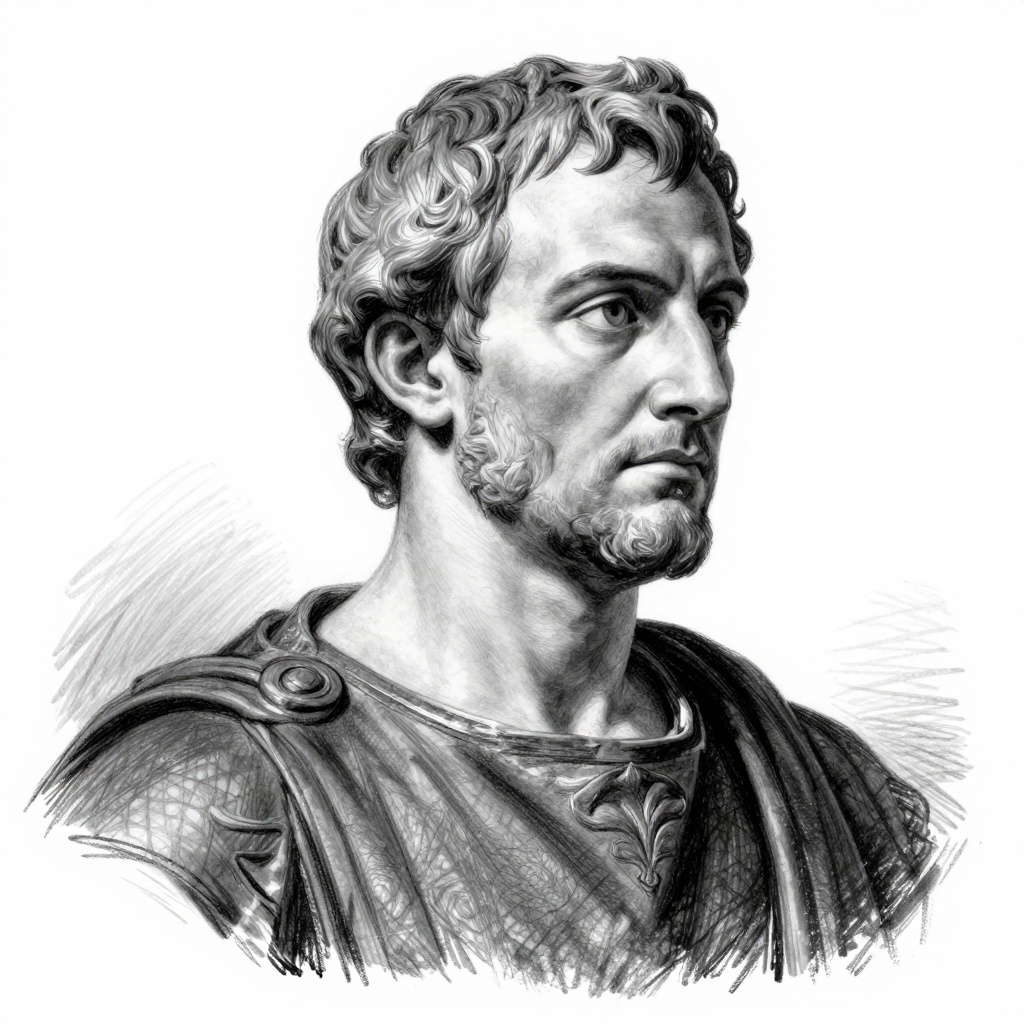
Comments