Quote · Added 24 August 2023
People who know little are usually great talkers, while men who know much say little.
Joseph JoubertPensées, ch. 4 De la Nature des Esprits, ¶ 36 (1850 ed.)
No ratings yet
Filed underknowledge·communication·humility
Quote · Added 24 August 2023
Filed underknowledge·communication·humility
We've all noticed this pattern: the person who just read one article about a topic won't stop explaining it, while the actual expert in the room stays quiet until asked a direct question. There's something about the edges of knowledge that make people confident, while deep understanding often brings awareness of how much remains unknown.
This plays out constantly in modern life. Someone new to investing becomes an evangelist, convinced they've cracked the code. A longtime practitioner acknowledges the variables they still can't predict. On social media, the most aggressive voices are often the most newly convinced of something. There's a paradox in learning: as you know more, you become less certain, not more.
The less obvious part is that this explains why confident people often seem more persuasive, even when they're wrong. Certainty is magnetic. But if you're trying to actually understand something—or trust someone's judgment—this reversal matters. The person comfortable saying "I don't know" about the edges of their expertise might be the one worth listening to. Quiet competence often knows more than it's saying.
1754–1824·lived 69 years
Joseph Joubert was a French moralist and essayist known for his succinct and profound reflections on various topics such as literature, philosophy, and education. He is remembered for his collection of posthumously published notebooks filled with insightful musings on life and human nature.
Also by Joseph Joubert
A part of kindness consists in loving people more than they deserve.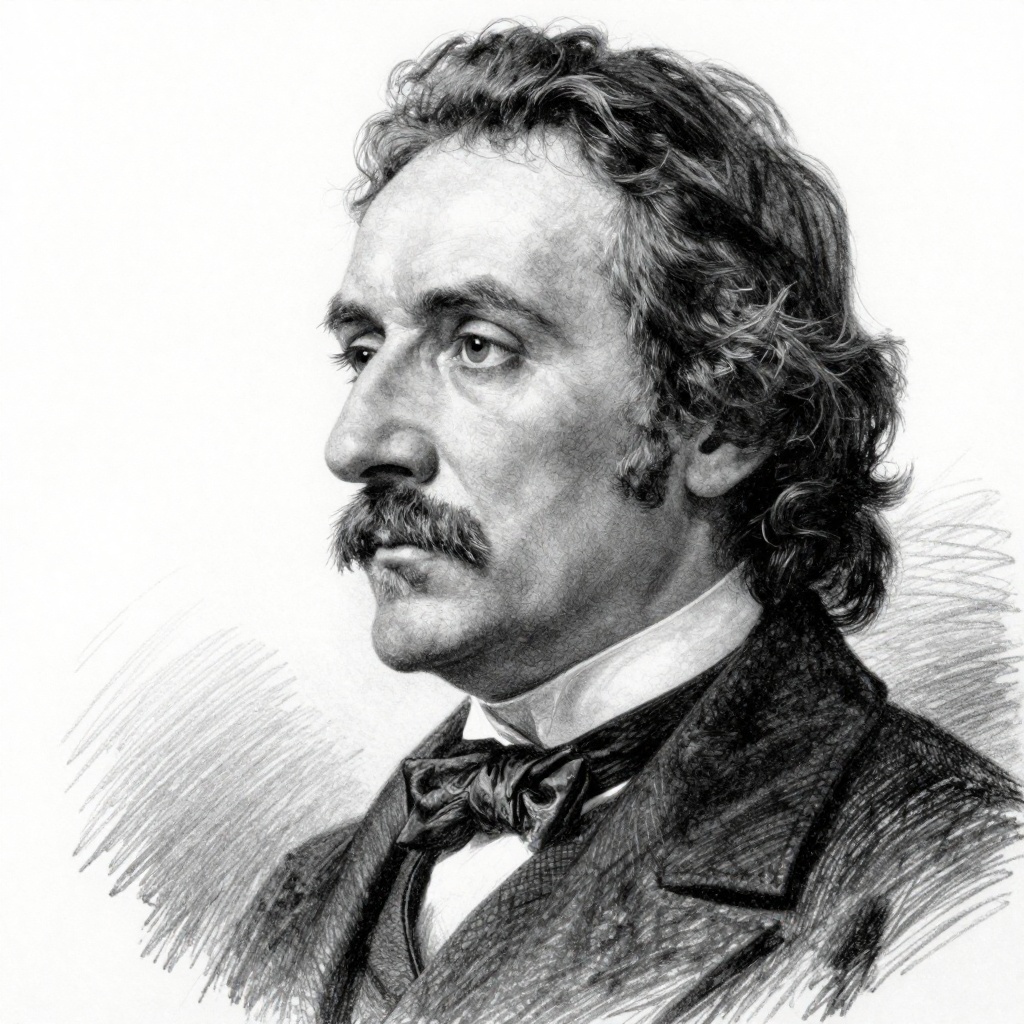
Comments