Quote · Added 14 February 2026
A part of kindness consists in loving people more than they deserve.
Joseph JoubertPensées, 1845
No ratings yet
Filed underkindness·love·compassion
Quote · Added 14 February 2026
Filed underkindness·love·compassion
We're pretty good at keeping score. We notice when someone's short with us, when they forget to text back, when they don't deserve our patience because they didn't earn it yet. But here's what makes that particular kind of kindness so powerful: it breaks the transaction. When you love someone a little more than they've "earned," you're not responding to who they are in that moment—you're responding to who they might become, or who they are underneath the rough day or bad mood.
This doesn't mean ignoring real harm or being a doormat. It means the friend who snapped at you gets a gentler response than the scoreboard says they deserve. It means assuming better intentions. It means holding space for people when they're not at their best, because you'd hope someone would do that for you. There's something almost radical about it in a world that constantly measures and judges.
The surprising part? This kind of overflow of kindness often changes people. Not because they're forced to, but because being loved beyond what they think they deserve tends to make people want to grow into it. It's one of the few places where giving more than the deal requires actually makes sense economically.
1754–1824·lived 69 years
Joseph Joubert was a French moralist and essayist known for his succinct and profound reflections on various topics such as literature, philosophy, and education. He is remembered for his collection of posthumously published notebooks filled with insightful musings on life and human nature.
Also by Joseph Joubert
Imagination is the eye of the soul.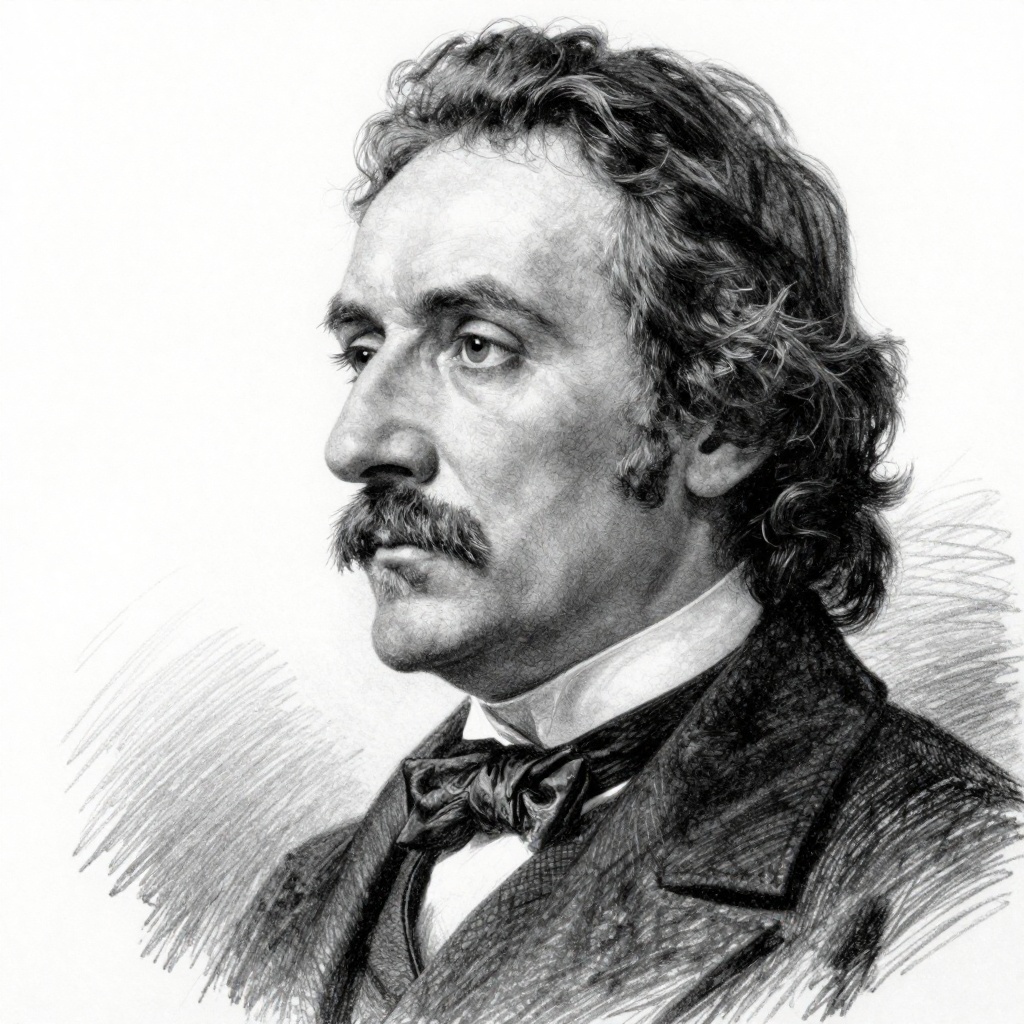
Comments