Quote · Added 14 February 2026
I value my garden more for being full of blackbirds than of cherries, and very frankly give them fruit for their songs.
Joseph AddisonThe Spectator, No. 421, 1712
No ratings yet
Quote · Added 14 February 2026
Most of us think about gardens in terms of what we can extract from them—the tomatoes we'll eat, the flowers we'll cut, the Instagram photo we'll take. Addison's willingness to let blackbirds have the cherries instead feels almost reckless by modern standards. But he's pointing to something we've mostly forgotten: there's a kind of wealth that comes from simply being around life, especially when that life isn't serving us directly.
The trade he's describing—fruit for songs—isn't actually a loss. It's a swap that suggests he understood something about attention and pleasure that we're always re-learning and then forgetting again. A cherry is temporary and solitary; a song can become part of your day, something you notice on a quiet morning and feel lucky to hear. When you stop trying to own or consume everything in front of you, you start noticing things. A garden full of blackbirds is actually fuller than a garden you've stripped bare.
This matters now because we're constantly being told to optimize, to extract maximum value from every corner of our lives. Addison reminds us that sometimes the real harvest is what you can't put in a basket—the life that moves through your space, unbidden and ungoverned, that you welcome anyway.
1672–1719·lived 47 years
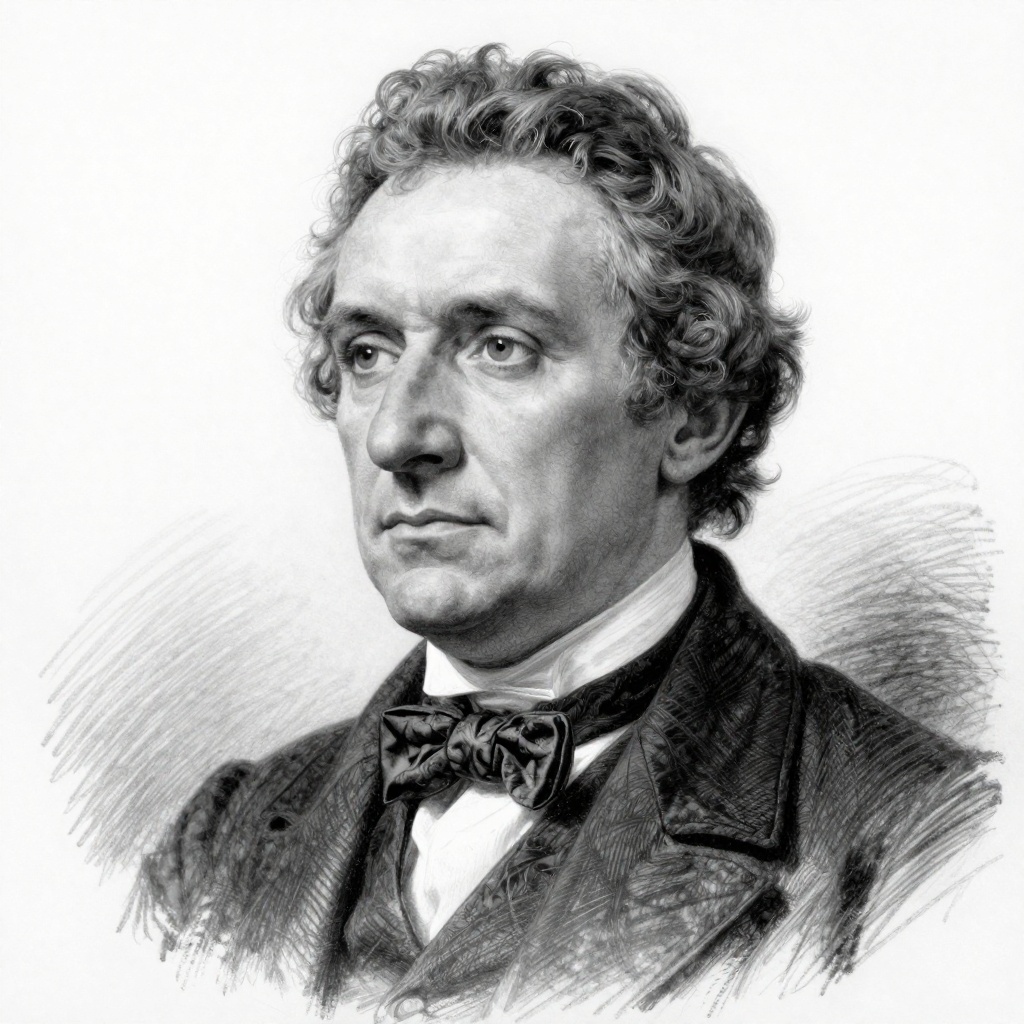
Joseph Addison (1672–1719) was an English essayist, poet, and playwright best known for his contributions to "The Spectator" magazine, which he co-founded with Richard Steele in 1711. Addison's essays in "The Spectator" addressed various social, moral, and political issues of the time and helped shape the development of English journalism and literature.
Comments