Quote · Added 9 February 2026
Cheerfulness is the best promoter of health and is as friendly to the mind as to the body.
Joseph AddisonThe Spectator, No. 419, 1712
No ratings yet
Filed undercheerfulness·health·well-being
Quote · Added 9 February 2026
Filed undercheerfulness·health·well-being
There's something almost magical about noticing how your mood shapes your actual physical experience. When you're genuinely cheerful, you stand differently, breathe easier, your shoulders drop. It's not just that happiness feels good—it actually works on your body like a gentle medicine. Your immune system responds better, your sleep improves, stress hormones dial back. The reverse is true too: dread and heaviness create real physical tension that compounds over time.
What's interesting is how backwards our instinct often is. When we're struggling, we tend to wait until conditions improve before we feel better. But the evidence suggests it works both ways. Small doses of lightness—a genuine laugh, time with someone you enjoy, noticing something beautiful—don't just brighten the moment. They're doing actual work on your nervous system and body chemistry. You're not faking wellness; you're creating the conditions for it.
The trick is that cheerfulness doesn't mean ignoring real problems or forcing positivity through gritted teeth. It means recognizing that your mood is partly under your control, and that tending to it isn't shallow or self-indulgent. It's as practical as eating well or sleeping. When you treat your own lightness as something worth protecting, you're not being frivolous. You're taking care of yourself in a way your whole system will thank you for.
1672–1719·lived 47 years
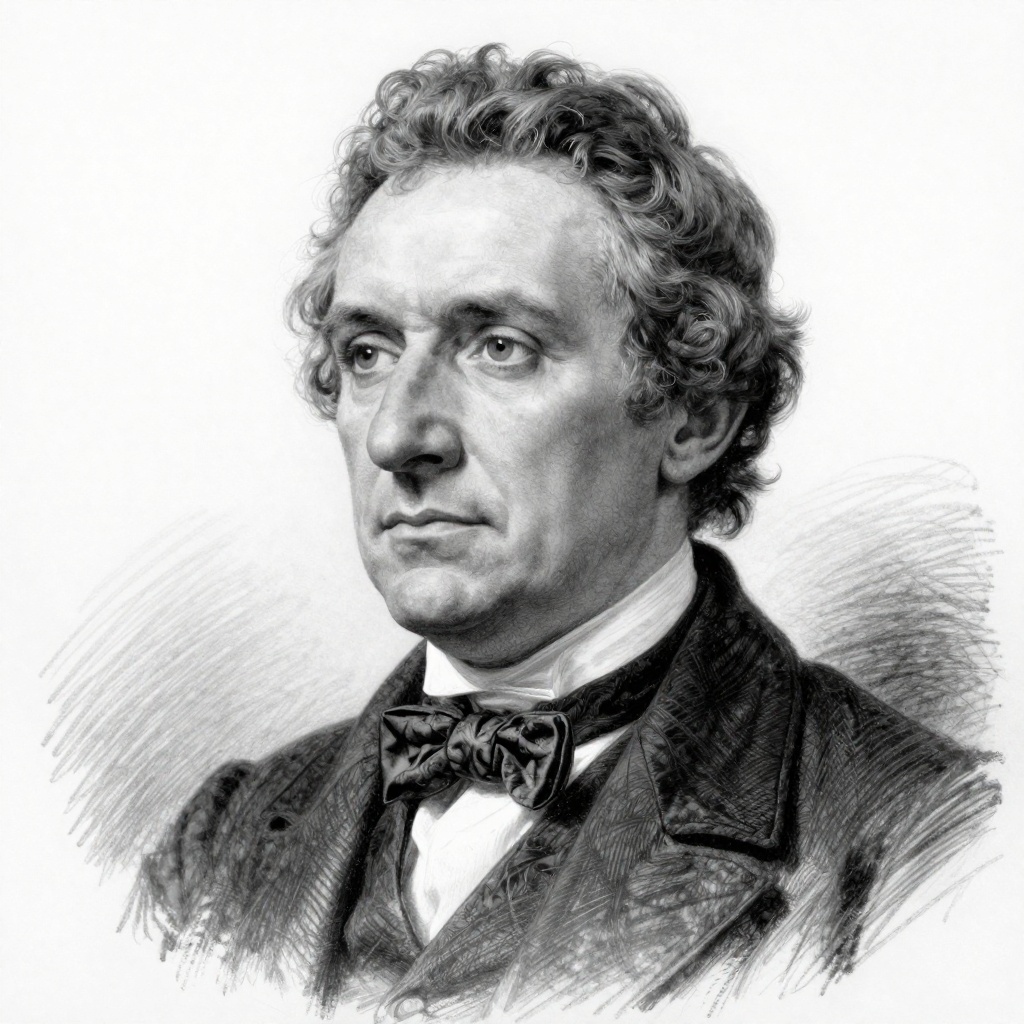
Joseph Addison (1672–1719) was an English essayist, poet, and playwright best known for his contributions to "The Spectator" magazine, which he co-founded with Richard Steele in 1711. Addison's essays in "The Spectator" addressed various social, moral, and political issues of the time and helped shape the development of English journalism and literature.
Comments