Quote · Added 14 February 2026
Better to die ten thousand deaths than wound my honor.
Joseph AddisonCato, Act 5, 1713
No ratings yet
Quote · Added 14 February 2026
There's something almost romantic about this line until you actually live it. Most of us have faced smaller versions of this choice: speak up and risk looking foolish, or stay quiet and keep the peace. The tension between what's comfortable and what's right shows up constantly—in how we handle a friend's bad behavior, whether we admit a mistake at work, or if we stand by an unpopular opinion.
What's interesting is that Addison isn't really talking about grand heroic stands. Honor, for him, meant something closer to integrity—the alignment between what you say you believe and how you actually act. The exaggeration ("ten thousand deaths") points to something real: once you compromise that alignment, it becomes easier to do it again. You've already proven to yourself that comfort matters more than consistency.
The tricky part is knowing when you're protecting genuine principle versus just being stubborn or righteous. But the quote cuts through that confusion by asking a basic question: what's actually worth more to you? If you'd rather die than betray yourself, that's actually the definition of living with integrity. If you wouldn't, that's worth knowing too.
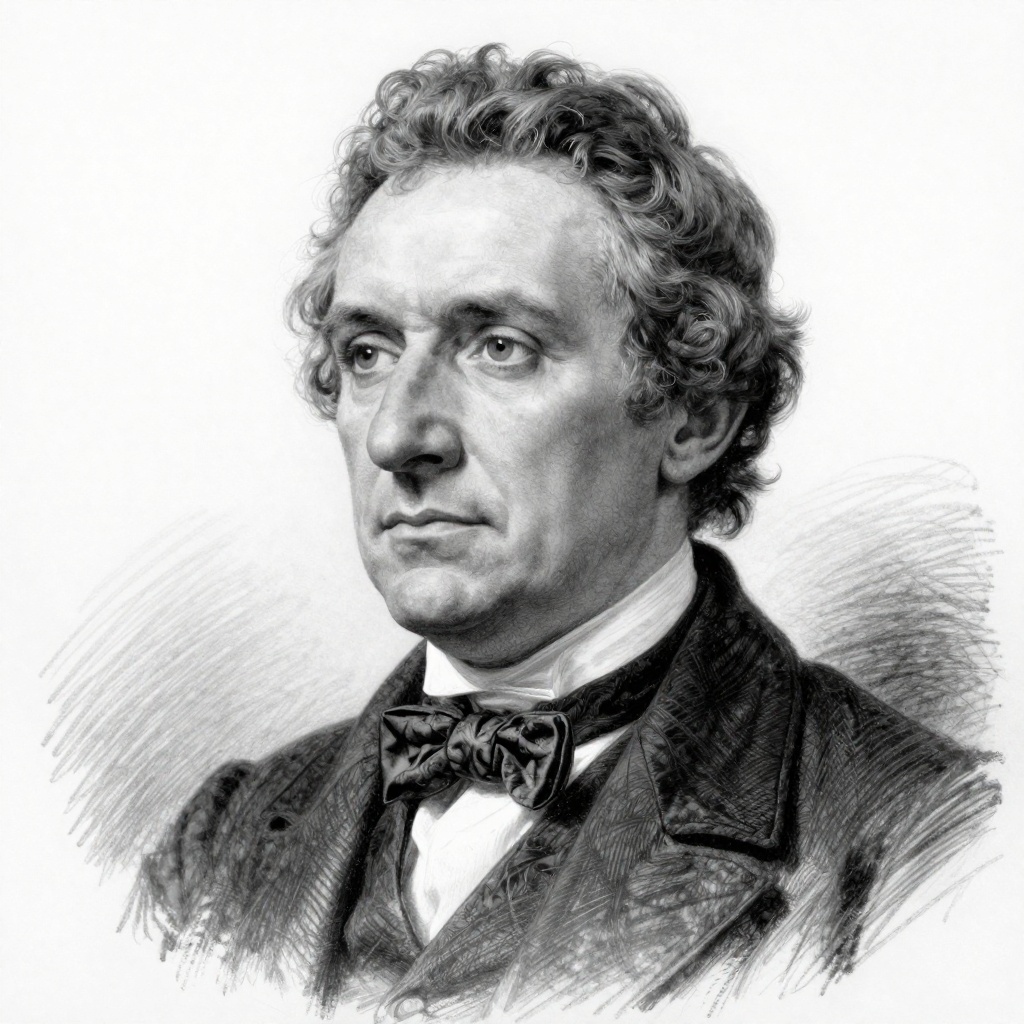
1672–1719·lived 47 years
Joseph Addison (1672–1719) was an English essayist, poet, and playwright best known for his contributions to "The Spectator" magazine, which he co-founded with Richard Steele in 1711. Addison's essays in "The Spectator" addressed various social, moral, and political issues of the time and helped shape the development of English journalism and literature.
Comments