Quote · Added 14 February 2026
Every time I paint a portrait I lose a friend.
Filed underportrait·friendship·loss
Quote · Added 14 February 2026
Filed underportrait·friendship·loss
There's something unsettling about Sargent's confession that speaks to a real tension in paying close attention to people. When you really look at someone—not the version they present to the world, but the actual details of their face, the tiredness around the eyes, the small asymmetries—you see things they might not want seen. A portrait painter doesn't just record features; they capture something that feels uncomfortably true. And people often don't want to be known that thoroughly.
This applies far beyond painting. Think about the friends who stop texting after you've been deeply honest with them, or the family members who get uncomfortable when you remember something real about them they'd rather forget. There's an odd cost to genuine seeing—to the kind of attention that doesn't flatter or simplify. Most relationships run smoothly partly because we agree not to look too closely, not to hold up the mirror that clearly.
But here's the thing: Sargent kept painting anyway. He understood that the alternative—superficial connection, staying at a safe distance—might preserve friendships but at the cost of something vital. Sometimes the cost of real intimacy is that people drift away. Not because you've done anything wrong, but because being truly known is harder than being politely seen.
1856–1925·lived 69 years
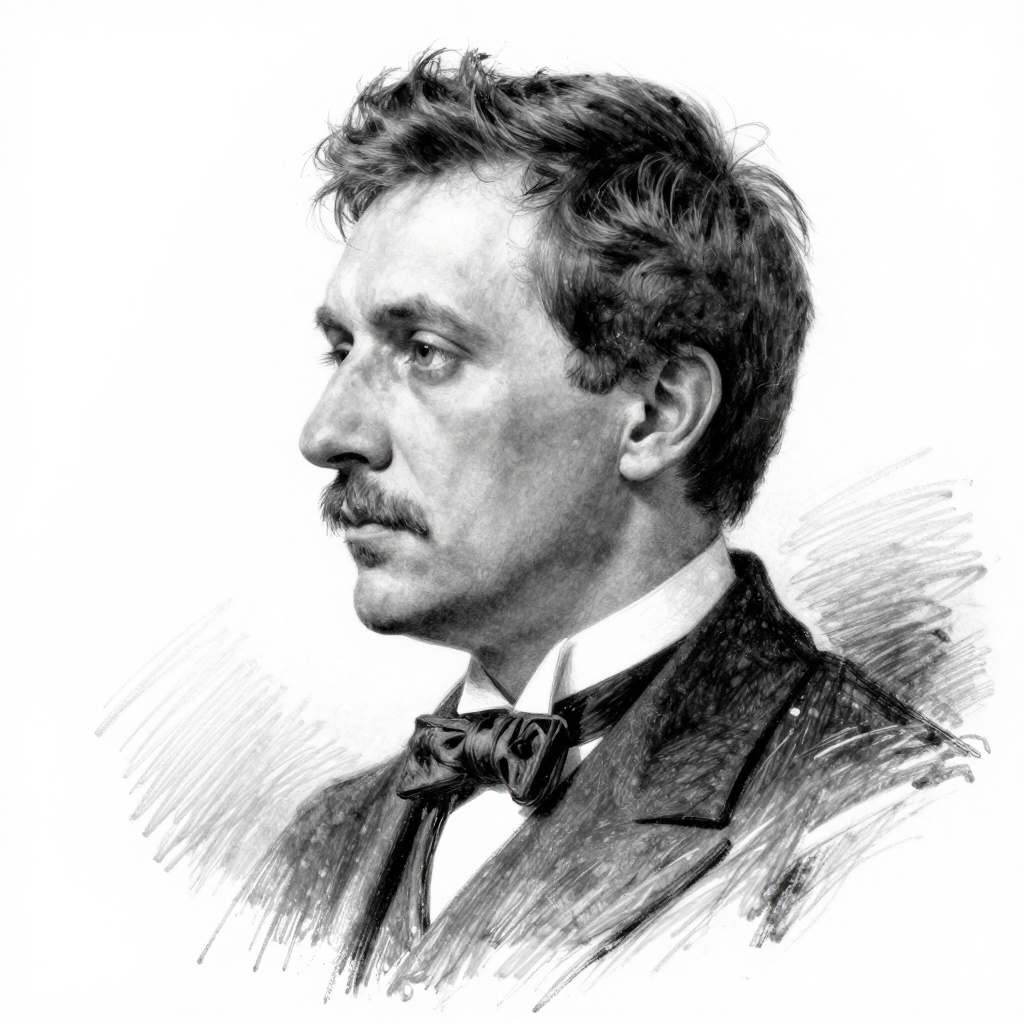
John Singer Sargent was an American painter, born on January 12, 1856, in Florence, Italy. He is best known for his stunning portraits and captivating landscapes, which showcase his ability to capture the essence of his subjects with exceptional skill and technique. Sargent gained widespread recognition in the late 19th and early 20th centuries, becoming one of the most sought-after portraitists of his time. He died on April 14, 1925.
Comments