Quote · Added 14 February 2026
Reading
AI generatedWhat you practice becomes your default
We spend most of our lives cultivating one or the other without even realizing it. Every time you rehash a worry before bed, scroll through worst-case scenarios, or tell the story of what went wrong again—you're actually watering that fear like a plant. It grows roots. It gets comfortable. Pretty soon the anxiety isn't just about the original problem; it's become a habit, a lens you see everything through.
The flip side is quieter and requires more intentionality. Cultivating faith doesn't mean being naive or ignoring real problems. It means when doubt creeps in, you actively choose to remember times you've come through something hard. You take one small action toward what you want instead of spiraling. You talk differently to yourself. These tiny choices, repeated, actually rewire how you respond to uncertainty.
The sneaky part is that both operate the same way—through repetition and attention. Fear doesn't grab mastery without practice. Neither does faith. So the real question isn't which one is true about your situation. It's which one you're currently practicing, and whether you want to keep feeding it.
The author
All 2 quotes by John Paul Jones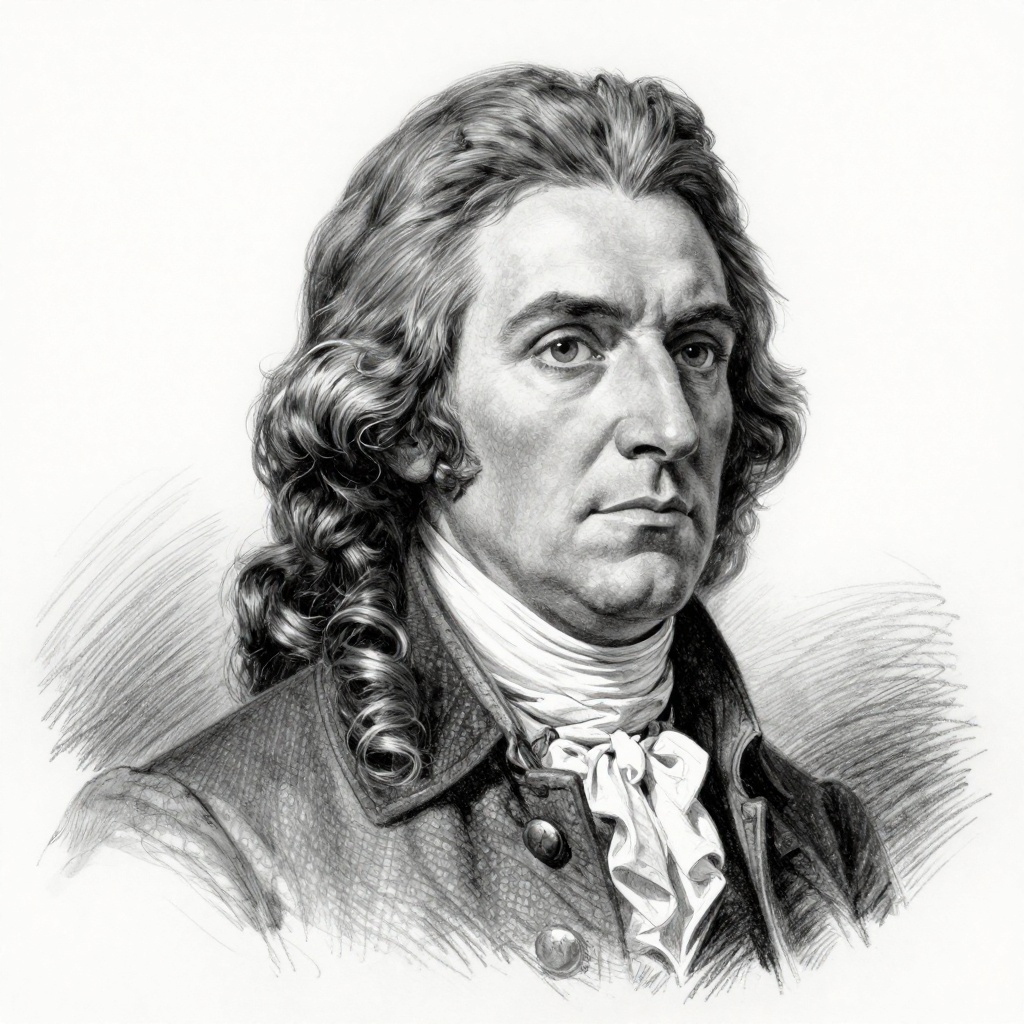
John Paul Jones
1747–1792·lived 45 years
John Paul Jones was a Scottish-American naval captain and military leader known for his role in the American Revolutionary War. Often referred to as the "Father of the American Navy," he gained fame for his daring naval battles against the British, most notably his victory over the HMS Serapis in 1779. Jones's legacy continues to influence naval warfare and American maritime history.
Comments