Quote · Added 14 February 2026
In every walk with nature one receives far more than he seeks.
John MuirThe Wilderness World of John Muir, p. 100, 1954
Filed undernature·discovery·fulfillment
Quote · Added 14 February 2026
Filed undernature·discovery·fulfillment
There's something almost embarrassing about how much better you feel after stepping outside, even when you just wanted to clear your head for twenty minutes. You weren't looking for insight or peace or whatever—you just needed air. Yet somehow a walk in the woods or along a park path rearranges your thinking in ways sitting at home never does. Muir is pointing at something real here: nature doesn't just give you what you went looking for. It tends to overspend.
The thing that's easy to miss is that this isn't mystical or sentimental. When you're moving through natural spaces, you're using your senses differently. Your brain stops running the same loop of worry or planning. You notice light, texture, sound, movement. Small problems suddenly look proportional. Problems that felt crushing in your apartment feel manageable when you're noticing how a river keeps moving forward no matter what.
Modern life has trained us to see outings as transactions—exercise for health, nature time for wellness credit. But Muir's point cuts against that efficiency mindset. He's saying the best things you get from nature are the ones you didn't set out to collect. They come free, by accident, just by showing up and paying attention.
1838–1914·lived 76 years
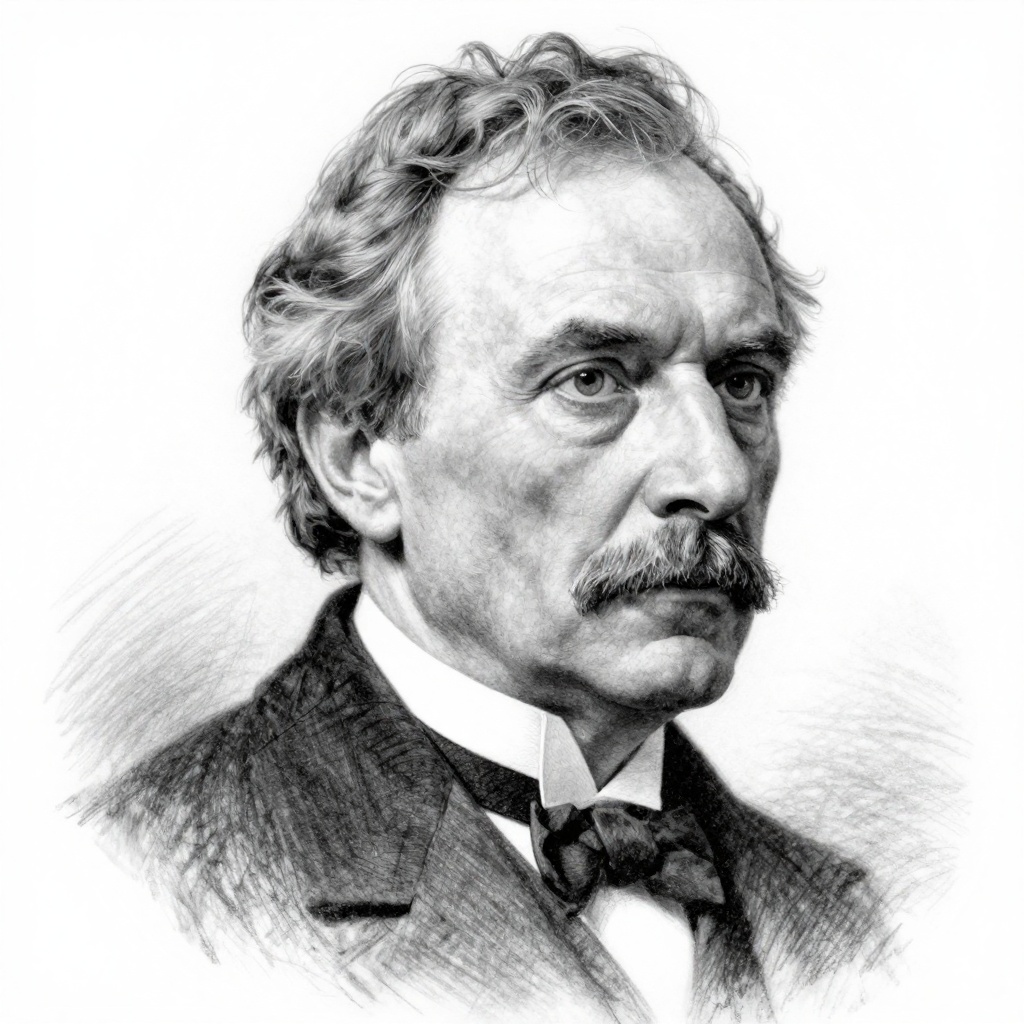
John Muir was a Scottish-American naturalist, author, and environmental philosopher known as the "Father of the National Parks." He was instrumental in the establishment of the national parks system in the United States and advocated for the preservation of wilderness areas and the protection of natural resources. His writings on nature and conservation continue to inspire environmentalists and nature lovers.
Comments