Quote · Added 9 February 2026
Everybody needs beauty as well as bread, places to play in and pray in, where nature may heal and give strength to body and soul.
John MuirThe Yosemite, 1912
Quote · Added 9 February 2026
We often treat beauty like a luxury—something to enjoy once we've paid the bills and handled the serious stuff. But Muir's pairing of beauty with bread is actually radical. He's saying these aren't separate categories at all. A person surviving on bread alone, without moments of genuine beauty or space to breathe, isn't truly thriving. They're just existing. That distinction matters more now than ever, when we're packed into cities, staring at screens, and told that productivity is the highest good.
What's surprising here is that Muir isn't being poetic or sentimental. He's making a practical claim about what human bodies and minds actually need to function. Think about the difference between a cubicle with fluorescent lights and a walk through a park—both are real experiences, but one depletes you and one restores you. We've learned this through research on stress, attention, and mental health, but Muir knew it in his bones a century ago.
The "place to play in and pray in" part suggests something too: we need spaces where we're not being productive, not being evaluated, just being. Whether that's literally praying, playing, sitting quietly, or wandering—those moments aren't separate from real life. They're what makes real life possible.
1838–1914·lived 76 years
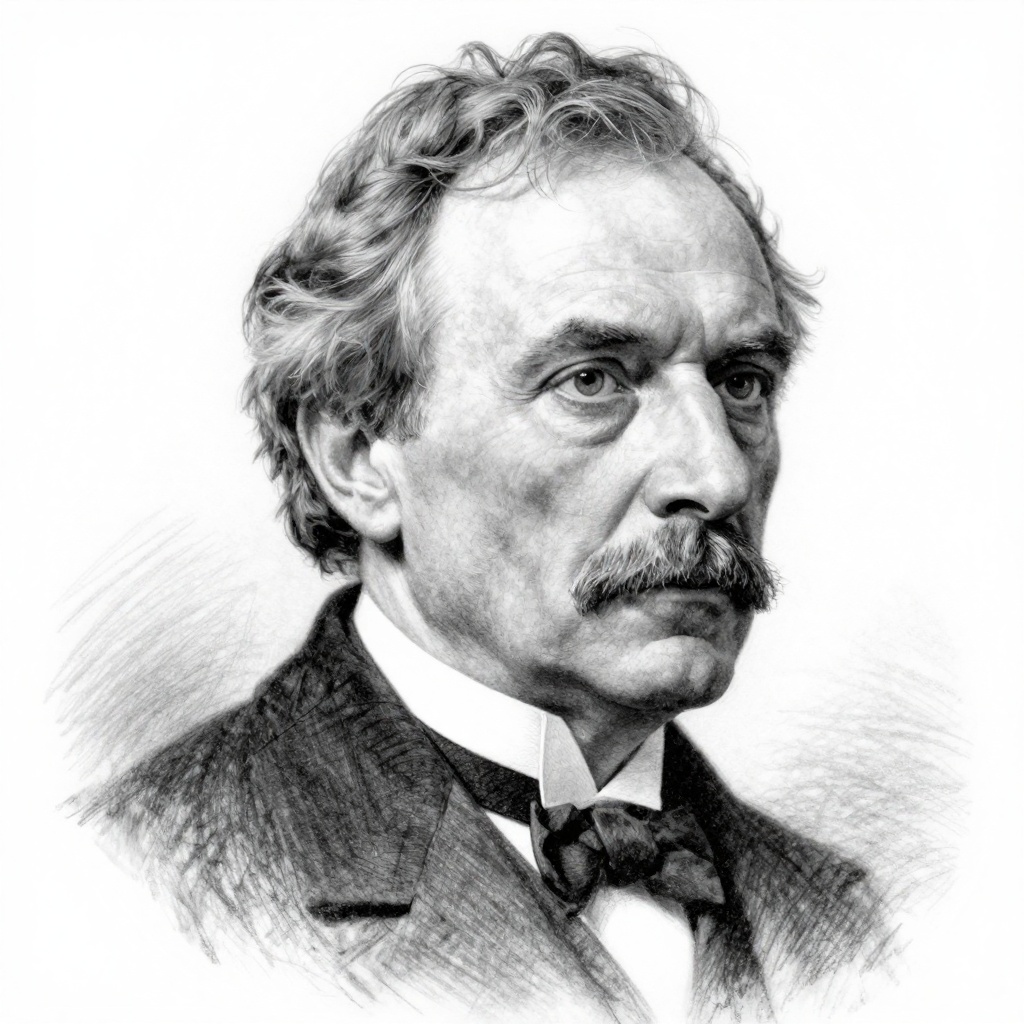
John Muir was a Scottish-American naturalist, author, and environmental philosopher known as the "Father of the National Parks." He was instrumental in the establishment of the national parks system in the United States and advocated for the preservation of wilderness areas and the protection of natural resources. His writings on nature and conservation continue to inspire environmentalists and nature lovers.
Comments