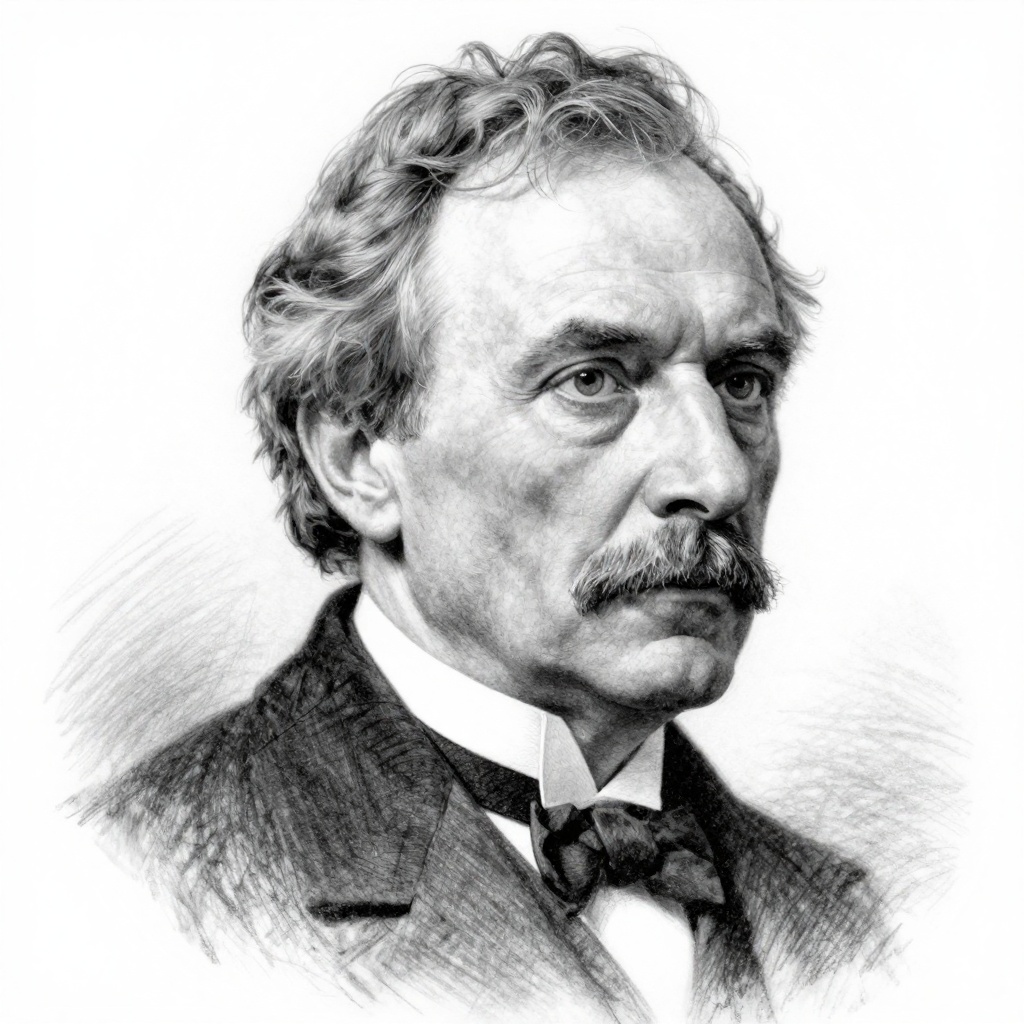
As long as I live, I'll hear waterfalls and birds and winds sing. I'll interpret the rocks, learn the language... — John Muir

As long as I live, I'll hear waterfalls and birds and winds sing. I'll interpret the rocks, learn the language of flood, storm, and the avalanche. I'll acquaint myself with the glaciers and wild gardens, and get as near the heart of the world as I can".

Author: John Muir

Insight: There's something almost defiant in this promise. Muir isn't just saying he'll enjoy nature—he's committing to actually learn it, to treat the world like a language worth studying rather than scenery to glance at. Most of us move through our days half-deaf to what's actually happening around us. We see a forest but don't really listen to it. We notice weather but don't think much about what it means. Muir's point cuts deeper: paying real attention to the natural world changes you. What's striking is how active his observation is. He's not just passively receiving nature; he's interpreting, learning, getting near the heart of things. This matters now especially, when we can insulate ourselves completely from the world outside our screens and climate-controlled spaces. We've lost something when we stop trying to understand the logic of storms or what a valley's shape tells us about time and geology. Even small acts—really listening to birds instead of scrolling through your phone, noticing how light changes through the seasons—tap into what he's describing. The real gift in this quote isn't nostalgia for wilderness. It's permission to stay curious about the world for life, to keep learning its language instead of settling into habits and assumptions. That's available to anyone, anywhere.

Source: John Muir: Nature Writings (Library of America, 1997), p. 817

Learning nature's language changes you

As long as I live, I'll hear waterfalls and birds and winds sing. I'll interpret the rocks, learn the language of flood, storm, and the avalanche. I'll acquaint myself with the glaciers and wild gardens, and get as near the heart of the world as I can".

John MuirJohn Muir: Nature Writings (Library of America, 1997), p. 817

There's something almost defiant in this promise. Muir isn't just saying he'll enjoy nature—he's committing to actually learn it, to treat the world like a language worth studying rather than scenery to glance at. Most of us move through our days half-deaf to what's actually happening around us. We see a forest but don't really listen to it. We notice weather but don't think much about what it means. Muir's point cuts deeper: paying real attention to the natural world changes you.

What's striking is how active his observation is. He's not just passively receiving nature; he's interpreting, learning, getting near the heart of things. This matters now especially, when we can insulate ourselves completely from the world outside our screens and climate-controlled spaces. We've lost something when we stop trying to understand the logic of storms or what a valley's shape tells us about time and geology. Even small acts—really listening to birds instead of scrolling through your phone, noticing how light changes through the seasons—tap into what he's describing.

The real gift in this quote isn't nostalgia for wilderness. It's permission to stay curious about the world for life, to keep learning its language instead of settling into habits and assumptions. That's available to anyone, anywhere.

AI generated

Comments

Sign in to leave a comment or reply to one.

Sign in

John Muir

John Muir was a Scottish-American naturalist, author, and environmental philosopher known as the "Father of the National Parks." He was instrumental in the establishment of the national parks system in the United States and advocated for the preservation of wilderness areas and the protection of natural resources. His writings on nature and conservation continue to inspire environmentalists and nature lovers.

Graph

Related