Quote · Added 14 February 2026
Gratitude bestows reverence, allowing us to encounter everyday epiphanies, those transcendent moments of awe that change forever how we experience life and the world.
Filed undergratitude·awe·transformation
Quote · Added 14 February 2026
Filed undergratitude·awe·transformation
There's something almost rebellious about gratitude in our current moment. We're trained to spot what's missing, what's wrong, what could be better. But gratitude works differently—it's like switching on a light in a room you've walked through a thousand times and suddenly seeing details you'd forgotten were there. That coffee cup warming your hands, the specific way someone laughs, the fact that your body moved you from point A to point B today without complaint.
The real insight here is that these "everyday epiphanies" aren't waiting for you to earn a promotion or achieve something major. They're available right now, in the ordinary stuff. But you have to actively look for them, which means shifting from a mindset of scarcity to one of appreciation. When you genuinely thank someone for small kindness, or pause to notice something beautiful, you're not being naive—you're training your brain to see what's actually valuable around you. It changes the texture of your entire day.
This matters because once you've felt that shift even once, you can't quite unsee it. The world doesn't transform, but your relationship to it does. That's the permanence Milton is pointing to.
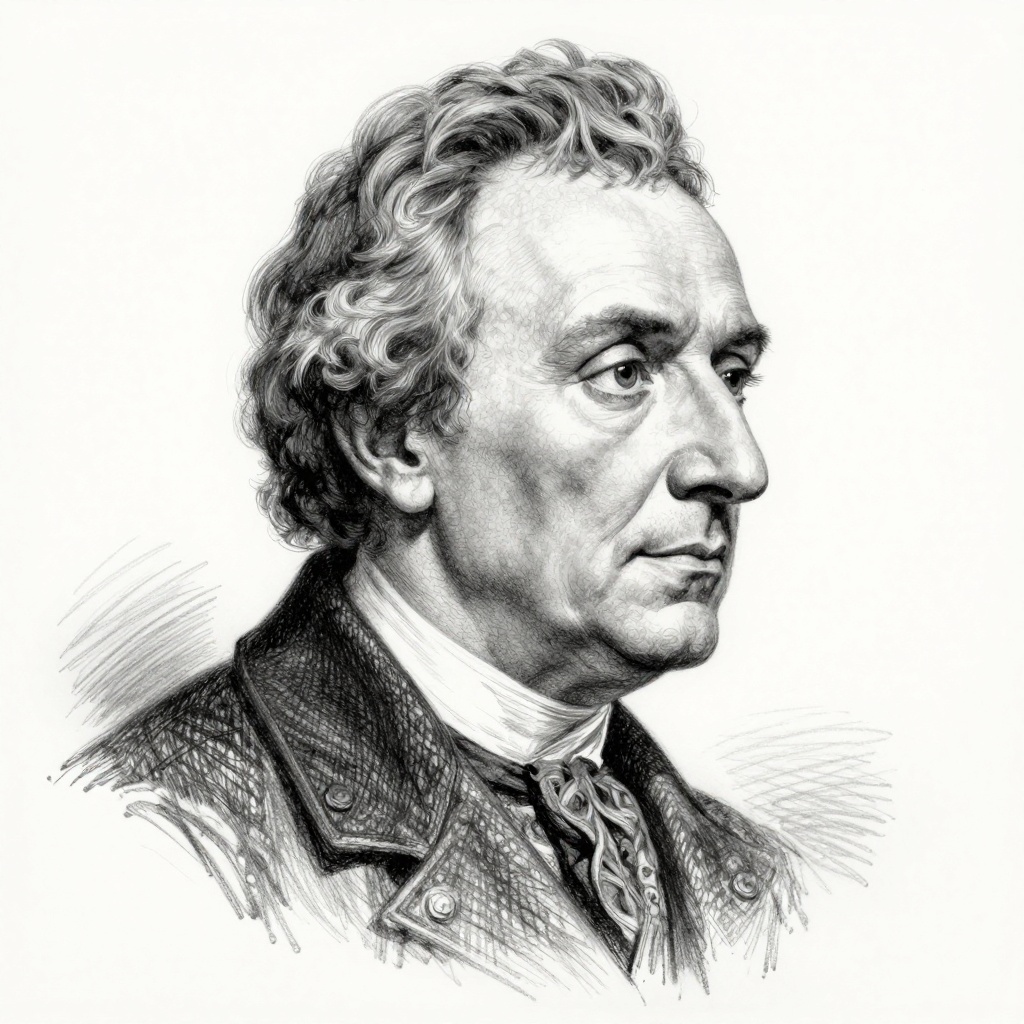
1608–1674·lived 65 years
John Milton was a 17th-century English poet, polemicist, and civil servant, best known for his epic poem "Paradise Lost," which explores the themes of temptation, free will, and redemption. Born on December 9, 1608, in London, Milton was a significant figure in the English Civil War and is also recognized for his outspoken political and religious views. He played a key role in advocating for freedom of speech and the press, and his literary works have had a lasting impact on English literature and political thought.
Comments