Quote · Added 4 March 2026
The mind is its own place, and in itself can make a heaven of hell, a hell of heaven.
Filed undermind·perception·duality
Quote · Added 4 March 2026
Filed undermind·perception·duality
We spend a lot of time blaming our circumstances for how we feel — the job that drains us, the relationship that frustrates us, the city that feels suffocating. And sure, external things matter. But there's something unsettling and liberating about Milton's observation: the same situation can genuinely feel like torture to one person and bearable to another, depending almost entirely on how they've trained themselves to think about it.
This isn't positive thinking nonsense or "just smile through it" advice. It's recognizing that two people can experience the identical day — same boring meeting, same crowded commute, same lonely evening — and one walks away defeated while the other feels oddly okay. The difference often isn't the day itself. It's what story they're telling themselves about it, whether they're catastrophizing or finding one small thing worth noting, whether they're comparing it to some imaginary better life or actually paying attention to what's in front of them.
The tricky part is that our minds do this reframing automatically, usually without our knowledge. We're not always consciously choosing hell or heaven. But recognizing that we have some say in the matter — that we're not just passive victims of whatever happens to us — that's where actual freedom begins.
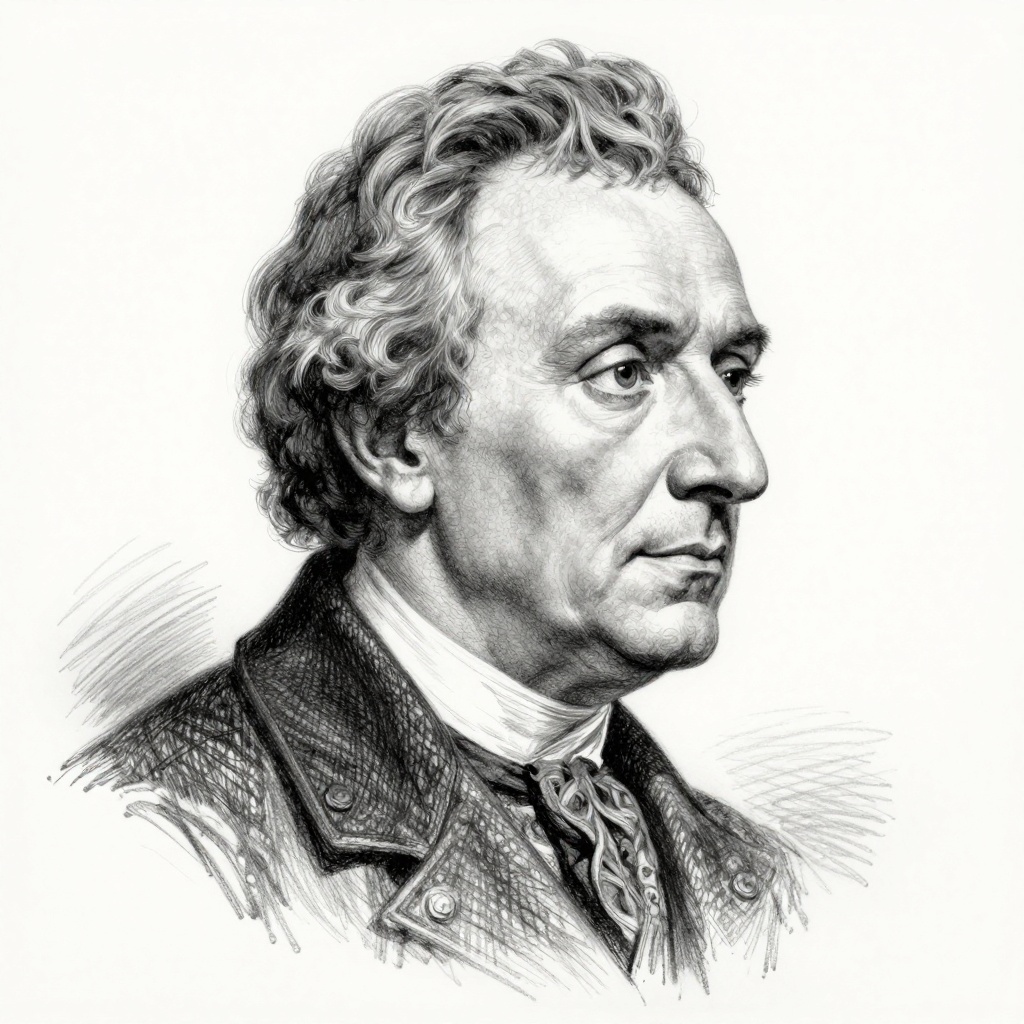
1608–1674·lived 65 years
John Milton was a 17th-century English poet, polemicist, and civil servant, best known for his epic poem "Paradise Lost," which explores the themes of temptation, free will, and redemption. Born on December 9, 1608, in London, Milton was a significant figure in the English Civil War and is also recognized for his outspoken political and religious views. He played a key role in advocating for freedom of speech and the press, and his literary works have had a lasting impact on English literature and political thought.
Comments