Quote · Added 28 February 2026
Nothing is impossible to a willing heart.
Filed underheart·ambition·possibility
Quote · Added 28 February 2026
Filed underheart·ambition·possibility
We often tell ourselves that obstacles are facts—the traffic, the budget, the time zone, the bad luck. But watch what happens when you actually want something badly enough. Suddenly those same obstacles become problems to solve rather than walls to accept. A willing heart doesn't deny reality; it just refuses to treat difficulty as destiny. It asks "how?" instead of concluding "never."
The tricky part is that willingness isn't something you can fake into existence. You can't just decide to want something and have it stick. Real willingness comes from clarity about why something matters to you—not in some abstract, inspirational way, but in the concrete details of your actual life. When you know exactly what you're reaching for and why it's worth reaching for, impossibilities start looking like inconveniences.
What's interesting is how this cuts both ways. If nothing is impossible to a willing heart, it also means that when we say something is impossible, we're often admitting something true about ourselves: we don't want it enough. That's not a failure—sometimes that's just you recognizing what actually matters to you. The real power isn't in forcing willingness where it doesn't exist, but in being honest about where it does.
1497–1580·lived 83 years
John Heywood (c. 1497–1580) was an English writer and playwright known for his contributions to early English drama and for popularizing the genre of the interlude, a form of comedic play. He is best known for his collection of proverbs and his works that often incorporated elements of humor and moral lessons, including "The Four P's" and "The Play of the Weather." Heywood's impact on literature laid the groundwork for subsequent playwrights in the English Renaissance.
Also by John Heywood
A hard beginning maketh a good ending.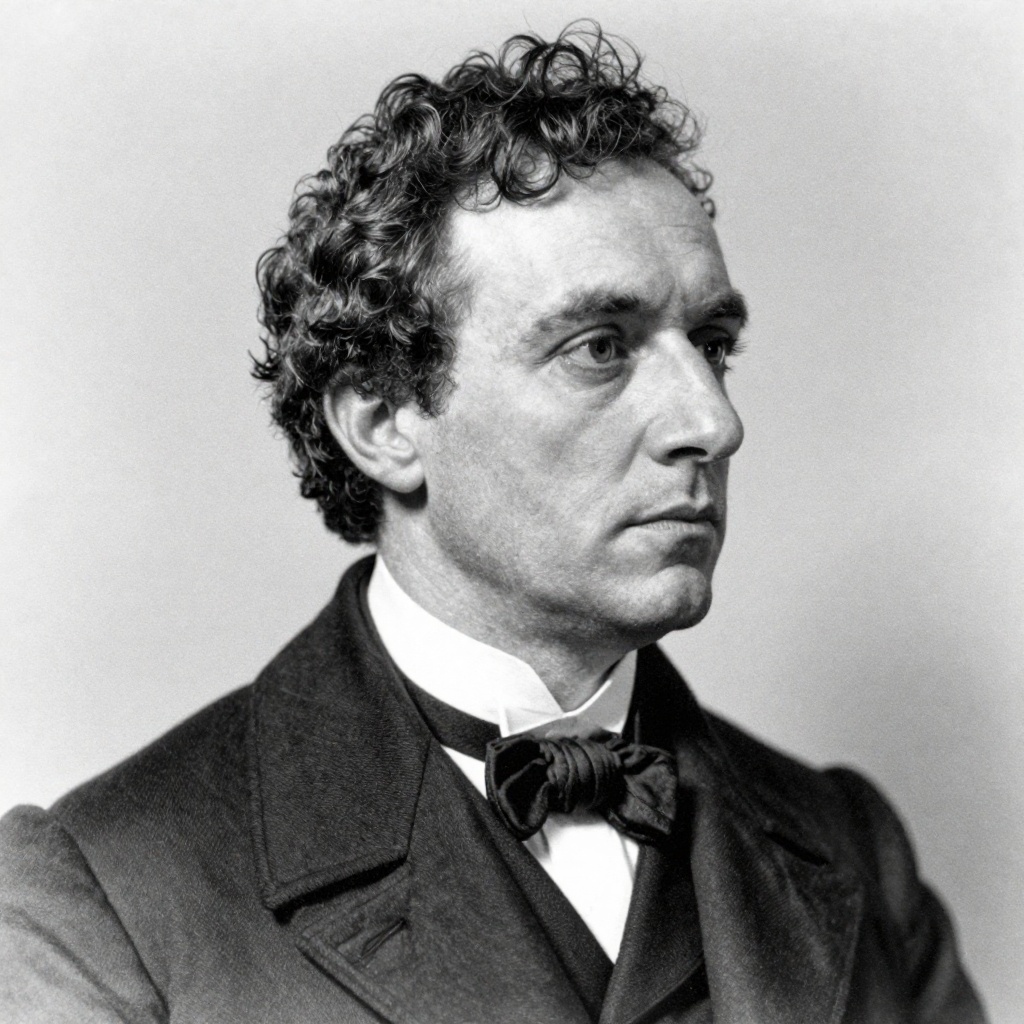
Comments