Quote · Added 28 February 2026
A hard beginning maketh a good ending.
Filed underbeginning·perseverance·success
Quote · Added 28 February 2026
Filed underbeginning·perseverance·success
We live in a culture obsessed with shortcuts and overnight success stories, so there's something almost rebellious about accepting that good things often require a rough start. A hard beginning isn't a sign you're on the wrong path—it might actually be the opposite. The struggles early on, whether learning a new skill, starting a difficult conversation, or building something from scratch, create a foundation that smoother circumstances never could.
The counterintuitive part? Difficulty early often prevents disaster later. When you're forced to problem-solve from day one, to understand the fundamentals deeply because you have no other choice, you're building resilience and knowledge that carry forward. Easy beginnings can mask weaknesses that become catastrophic problems down the line. That painful first year of a business, the messy early chapters of learning an instrument, the awkward foundation-building of a relationship—these aren't obstacles to endure before things get good. They're actually where the good gets built.
This doesn't mean suffering is always noble or that difficulty guarantees success. But it does mean that when you're in the thick of something hard and wondering if it's worth it, you might be exactly where you need to be. The ending quality often matches the beginning's demands, not its comfort level.
1497–1580·lived 83 years
John Heywood (c. 1497–1580) was an English writer and playwright known for his contributions to early English drama and for popularizing the genre of the interlude, a form of comedic play. He is best known for his collection of proverbs and his works that often incorporated elements of humor and moral lessons, including "The Four P's" and "The Play of the Weather." Heywood's impact on literature laid the groundwork for subsequent playwrights in the English Renaissance.
Also by John Heywood
Nothing is impossible to a willing heart.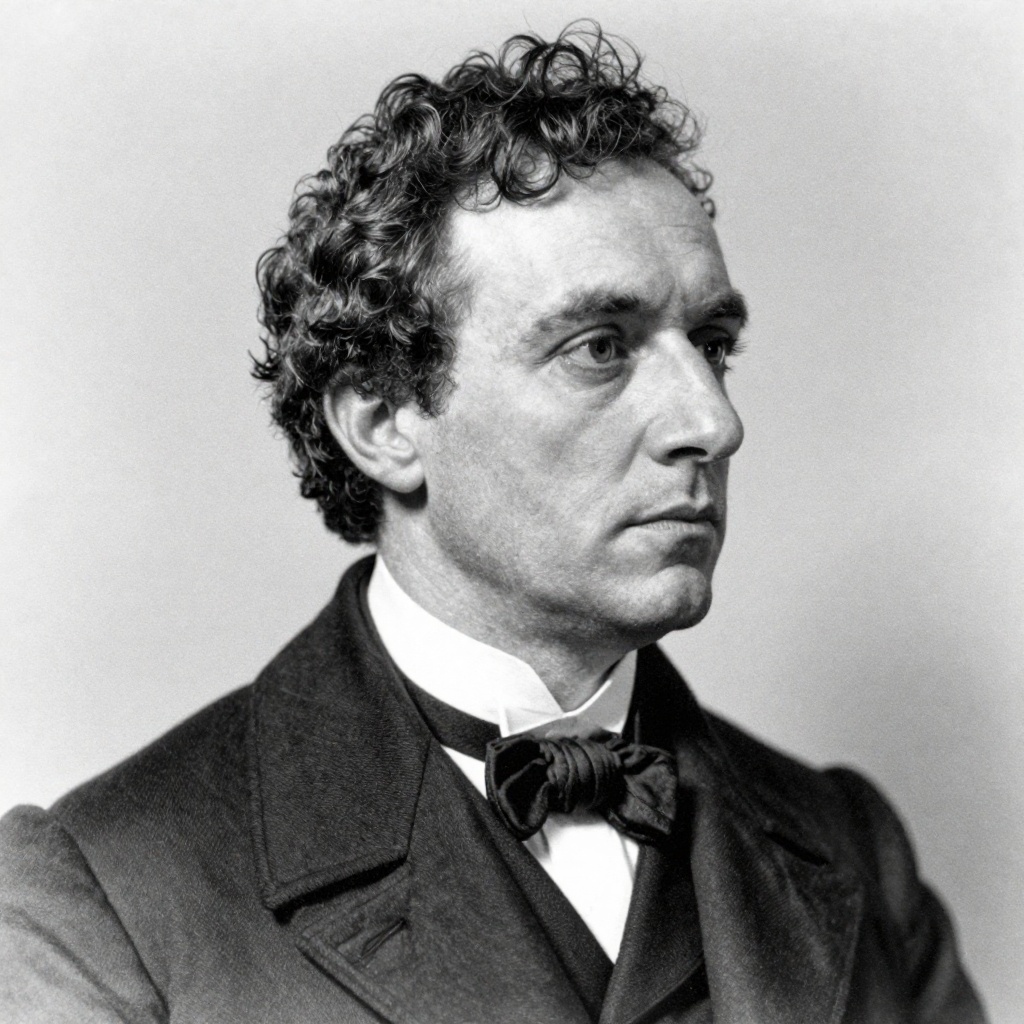
Comments