Quote · Added 7 March 2026
Self-defence is Nature's eldest law.
Filed underself-defence·nature·law
Quote · Added 7 March 2026
Filed underself-defence·nature·law
We live in a culture that praises saying yes, stacking commitments until we're exhausted and feeling guilty whenever we prioritize our own needs. But protecting yourself isn't selfishness; it's survival. This shows up in small moments, like declining an extra project when you're already drowning or stepping away from a conversation that drains your spirit. Treating your energy as something worth guarding is actually the most natural thing you can do, even if it feels uncomfortable at first.
The surprising truth is that ignoring this law often causes more damage than enforcing it. When you refuse to defend your boundaries, you don't become a better person; you become resentful. Nature designed us to preserve ourselves so we can actually show up for others later. So the next time you feel that prickly instinct to pull back, don't suppress it. That isn't weakness or rudeness. It's an ancient signal reminding you that preservation isn't cruelty. It's the necessary groundwork for everything else you want to build.
1631–1700·lived 68 years
John Dryden was an English poet, playwright, and literary critic born on August 19, 1631, and he passed away on May 1, 1700. He is known for his role as the first Poet Laureate of England and for his influential works in restoring drama in England, particularly through his plays such as "All for Love" and his poetry, including "Absalom and Achitophel." Dryden's contributions to literature were pivotal in the development of the English theatrical tradition and poetic form during the Restoration period.
Also by John Dryden
Beware the fury of a patient man.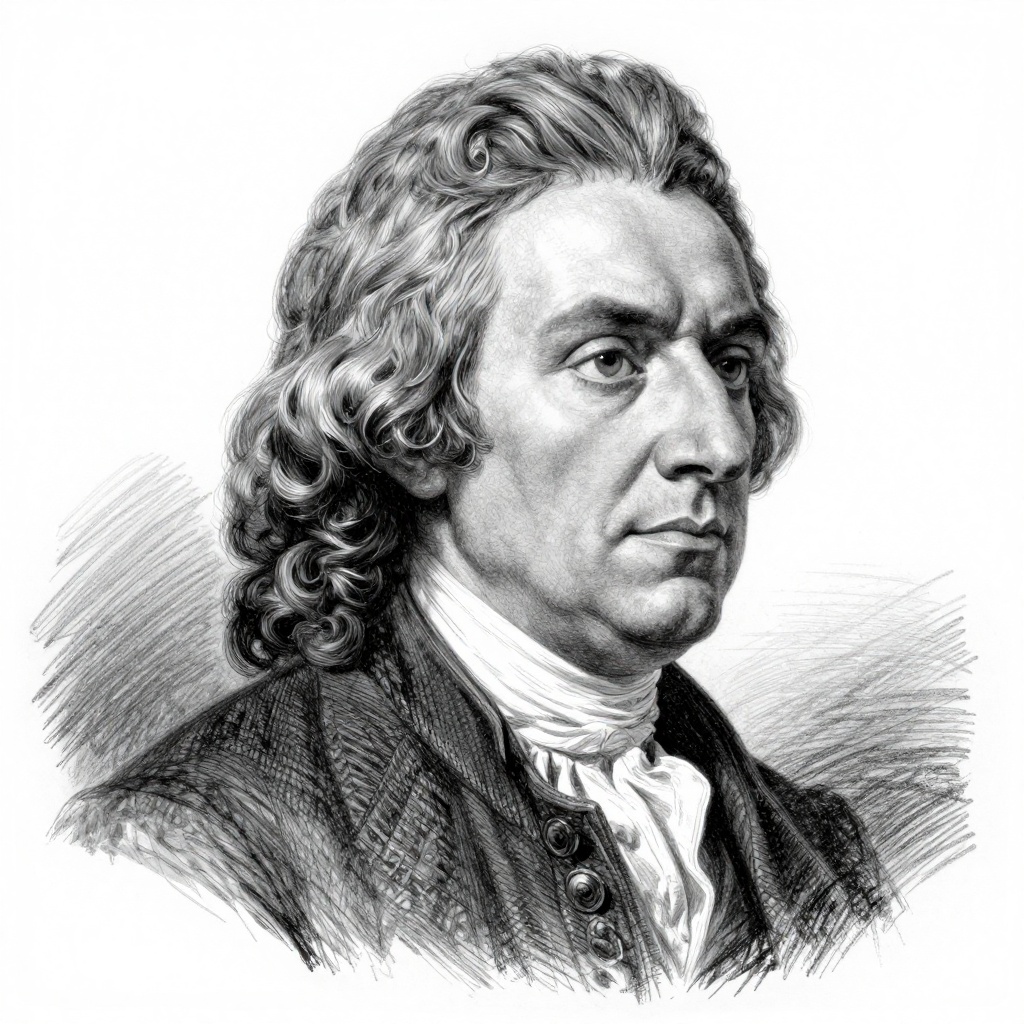
Comments