Quote · Added 14 February 2026
Beware the fury of a patient man.
John DrydenAbsalom and Achitophel, 1681
Quote · Added 14 February 2026
We usually think of patience as this quiet virtue—someone who waits calmly, who doesn't complain, who accepts delays with grace. But there's something we often miss: patience isn't the same as acceptance. A patient person isn't necessarily someone who's okay with things. They're someone who's carefully observing, building a case, waiting for the right moment. They're different from someone who's naturally calm or passive.
This is why patience can actually be dangerous. When someone has genuinely tried to work things out, communicated clearly, given multiple chances—and then finally reaches their limit—the eruption tends to be total. They're not acting on impulse; they're acting on accumulated clarity. A patient person has already run through every reasonable scenario in their head. They know exactly what they're doing. Compare this to someone who snaps immediately: their anger is often forgiven more easily because it seems less deliberate, less thought-through.
The warning here applies both ways. If you're dealing with someone patient who's finally had enough, you're facing someone who has already made their decision. And if you're the patient one, it's worth noticing when your patience stops being a strength and becomes a pressure cooker. Sometimes speaking up early, before patience turns into resentment, is the wiser move.
1631–1700·lived 68 years
John Dryden was an English poet, playwright, and literary critic born on August 19, 1631, and he passed away on May 1, 1700. He is known for his role as the first Poet Laureate of England and for his influential works in restoring drama in England, particularly through his plays such as "All for Love" and his poetry, including "Absalom and Achitophel." Dryden's contributions to literature were pivotal in the development of the English theatrical tradition and poetic form during the Restoration period.
Also by John Dryden
Self-defence is Nature's eldest law.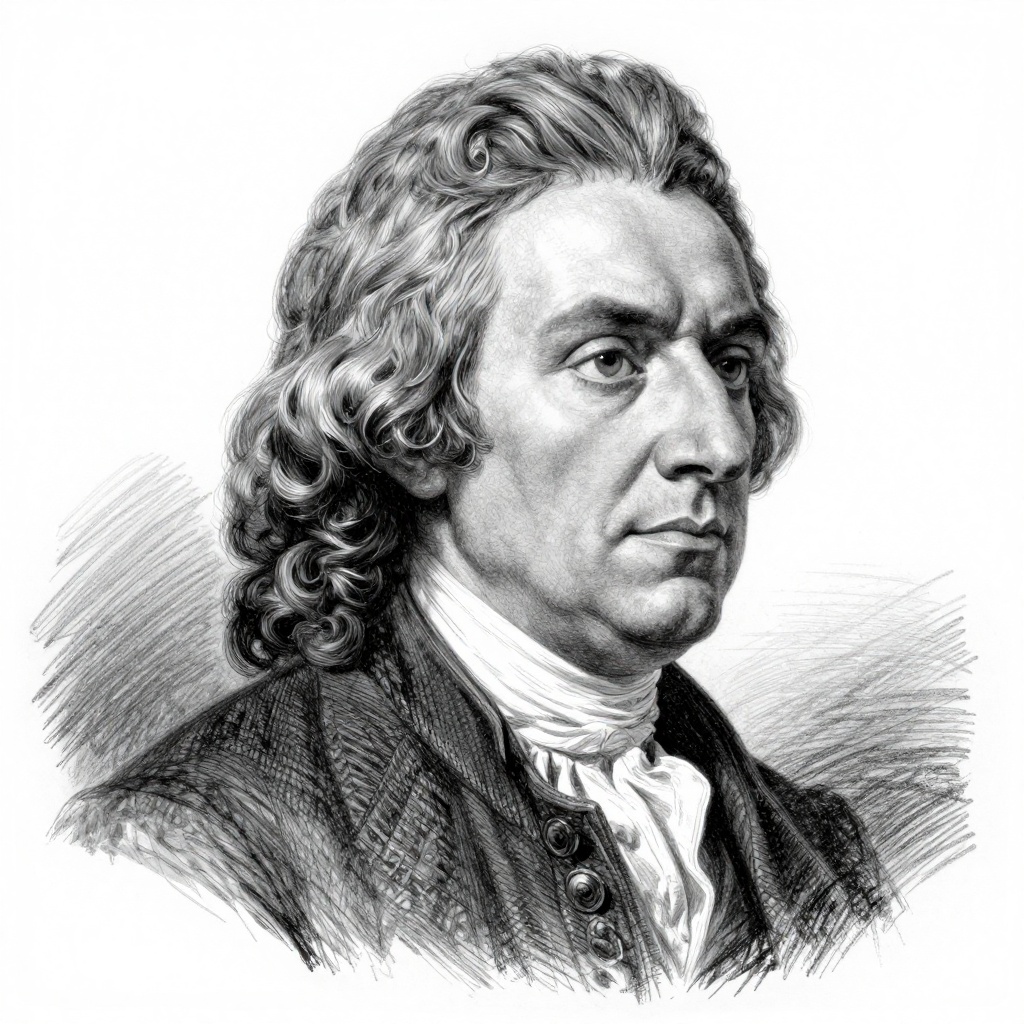
Comments