Quote · Added 16 February 2026
Power corrupts; absolute power corrupts absolutely.
Filed underpower·corruption·influence
Quote · Added 16 February 2026
Filed underpower·corruption·influence
We see this pattern everywhere, even in small doses. The manager who suddenly becomes distant after a promotion. The friend group's organizer who stops listening once everyone depends on them. It's not that power attracts terrible people—it's that power changes how we think. When nobody can easily push back, we stop checking ourselves. Our instincts, which once felt risky, start feeling reasonable. Our mistakes seem smaller because there's no one around to honestly name them.
The twist is that absolute power doesn't just corrupt the obviously ambitious. It corrupts the well-meaning too. The parent with unchecked authority over their child, the teacher with no oversight, the volunteer coordinator nobody questions—they all face the same invisible pressure. Without resistance, without someone whose opinion actually matters contradicting you, your internal compass gets fuzzy. You start believing your own reasoning because there's no one safe enough to argue with.
This is why accountability structures matter more than we think, and why the people worth trusting are often those who actively seek feedback and create space for disagreement. Not because they're morally superior, but because they understand that power itself is the dangerous thing. It's not something to overcome through willpower alone.
1834–1902·lived 68 years
John Dalberg-Acton, 1st Baron Acton (1834-1902), was a British historian, politician, and writer best known for his historical research and advocacy of liberalism. He is particularly famous for his statement "Power tends to corrupt, and absolute power corrupts absolutely," which reflects his beliefs on morality and authority in politics. Acton was a prominent figure in the intellectual life of his time, contributing to various historical and philosophical discussions.
Also by John Dalberg-Acton
Learn as much by writing as by reading.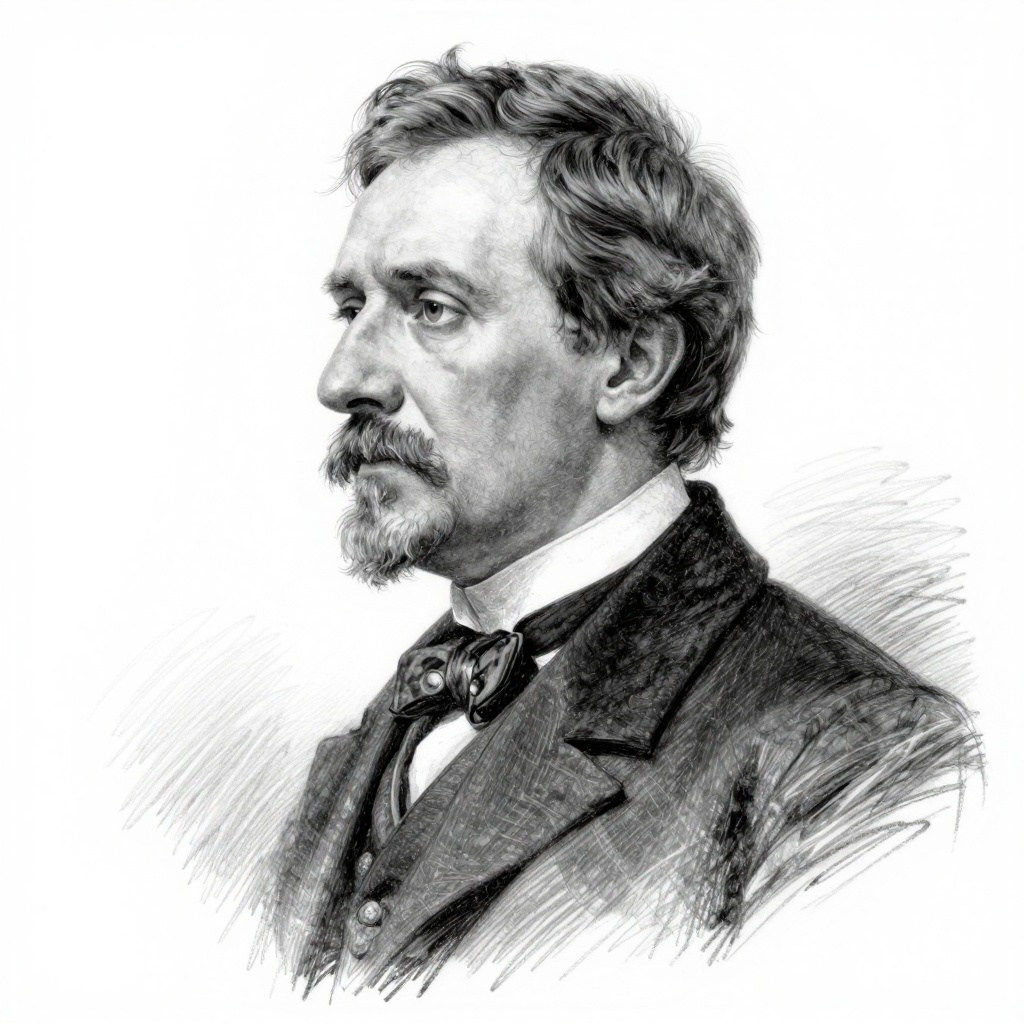
Comments