Quote · Added 14 February 2026
History is not a burden on the memory but an illumination of the soul.
John Dalberg-ActonLectures on Modern History, Project Gutenberg, 2006
Filed underhistory·illumination·soul
Quote · Added 14 February 2026
Filed underhistory·illumination·soul
Most of us think of history as something we're forced to memorize in school—dates, names, battles, the stuff of standardized tests. But this quote flips that on its head. It suggests history isn't about collecting facts to recite. It's about understanding patterns, human nature, and why things are the way they are now. When you see how people have faced similar dilemmas before—corruption, fear, love, ambition—something clicks. You're not just reading stories; you're recognizing your own struggles reflected back across centuries.
The "illumination of the soul" part is the key insight. History shows us what's possible in humans—both the terrible and the inspiring. It reveals how societies rationalize cruelty, how change actually happens, and that our current moment, however unique it feels, has echoes in the past. This matters less for passing a test and more for becoming someone who thinks deeper about the present.
That's the real gift: when you stop memorizing and start looking for the shape of things, history becomes a mirror and a map at once. You start recognizing when you're falling into patterns others fell into centuries ago. You're less likely to be blindsided by human nature because you've seen it play out before.
1834–1902·lived 68 years
John Dalberg-Acton, 1st Baron Acton (1834-1902), was a British historian, politician, and writer best known for his historical research and advocacy of liberalism. He is particularly famous for his statement "Power tends to corrupt, and absolute power corrupts absolutely," which reflects his beliefs on morality and authority in politics. Acton was a prominent figure in the intellectual life of his time, contributing to various historical and philosophical discussions.
Also by John Dalberg-Acton
Power corrupts; absolute power corrupts absolutely.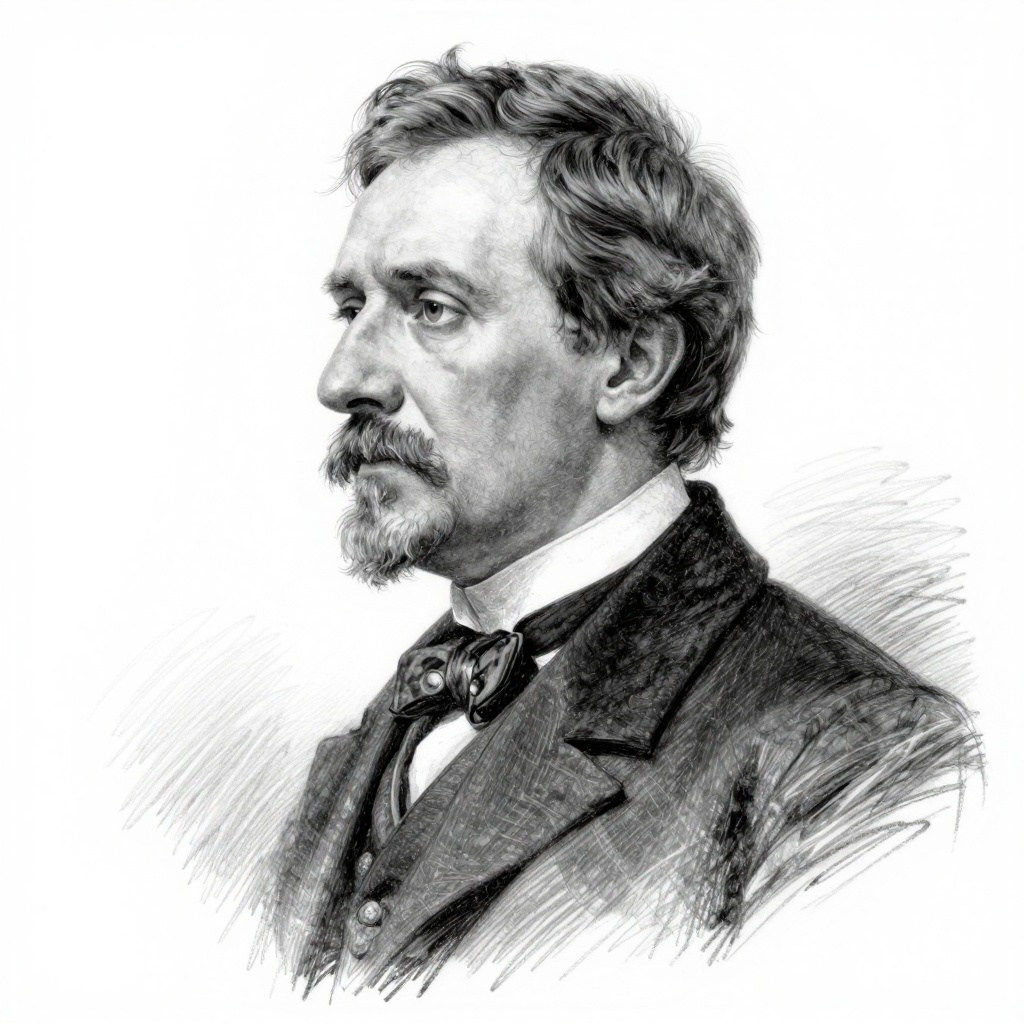
Comments