Quote · Added 14 February 2026
If you think you can do it, you can.
No ratings yet
Filed underbelief·empowerment·success
Quote · Added 14 February 2026
Filed underbelief·empowerment·success
There's a stubborn truth hiding in this simple statement: belief isn't fluffy thinking—it's actually one of the few things entirely within your control. When you believe you can do something, you don't suddenly become smarter or stronger, but you do stop sabotaging yourself. You try a different approach instead of giving up. You ask for help instead of spiraling. You notice opportunities you'd dismissed as irrelevant. Belief is less about magical thinking and more about permission you give yourself to actually try.
The flip side is equally real. If you're convinced something's impossible, you won't bother with the work. You'll interpret setbacks as proof instead of feedback. You'll notice all the reasons it won't work and stay blind to any openings. We do this constantly—skipping job applications because we're "not qualified enough," avoiding conversations because they'll "definitely go wrong," abandoning hobbies because we're "not talented enough." Often we're not wrong about the obstacle; we're just wrong about whether it's actually blocking us or whether we're using it as an excuse to stop trying.
The real power here isn't positive thinking washing away reality. It's that belief determines whether you'll invest the effort to find out what's actually possible.
1837–1921·lived 83 years
John Burroughs was an American naturalist and essayist known for his writings on nature, conservation, and the transcendentalist movement. He was a prominent figure in the early conservation movement in the United States and his works, including "Wake-Robin" and "The Art of Seeing Things," continue to inspire readers to connect with the natural world.
Also by John Burroughs
Nothing relieves and ventilates the mind like a resolution.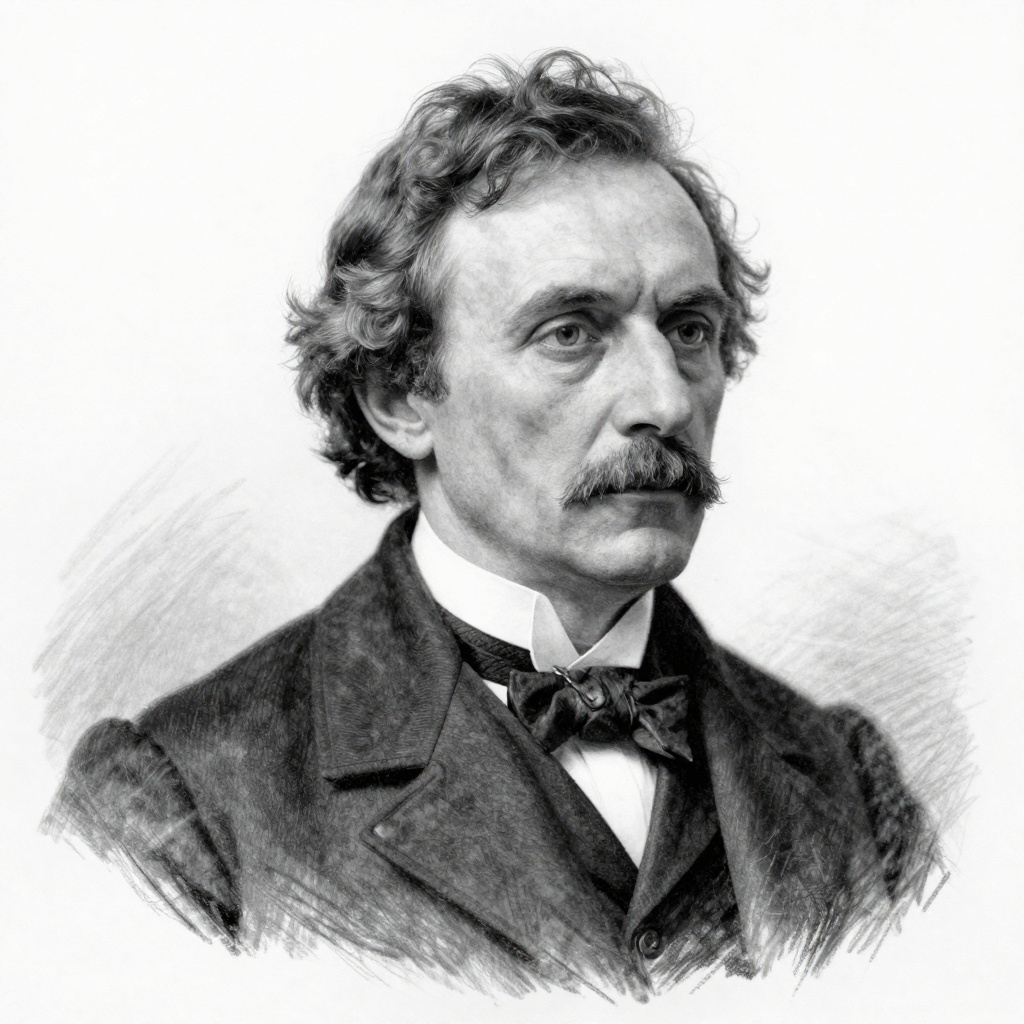
Comments