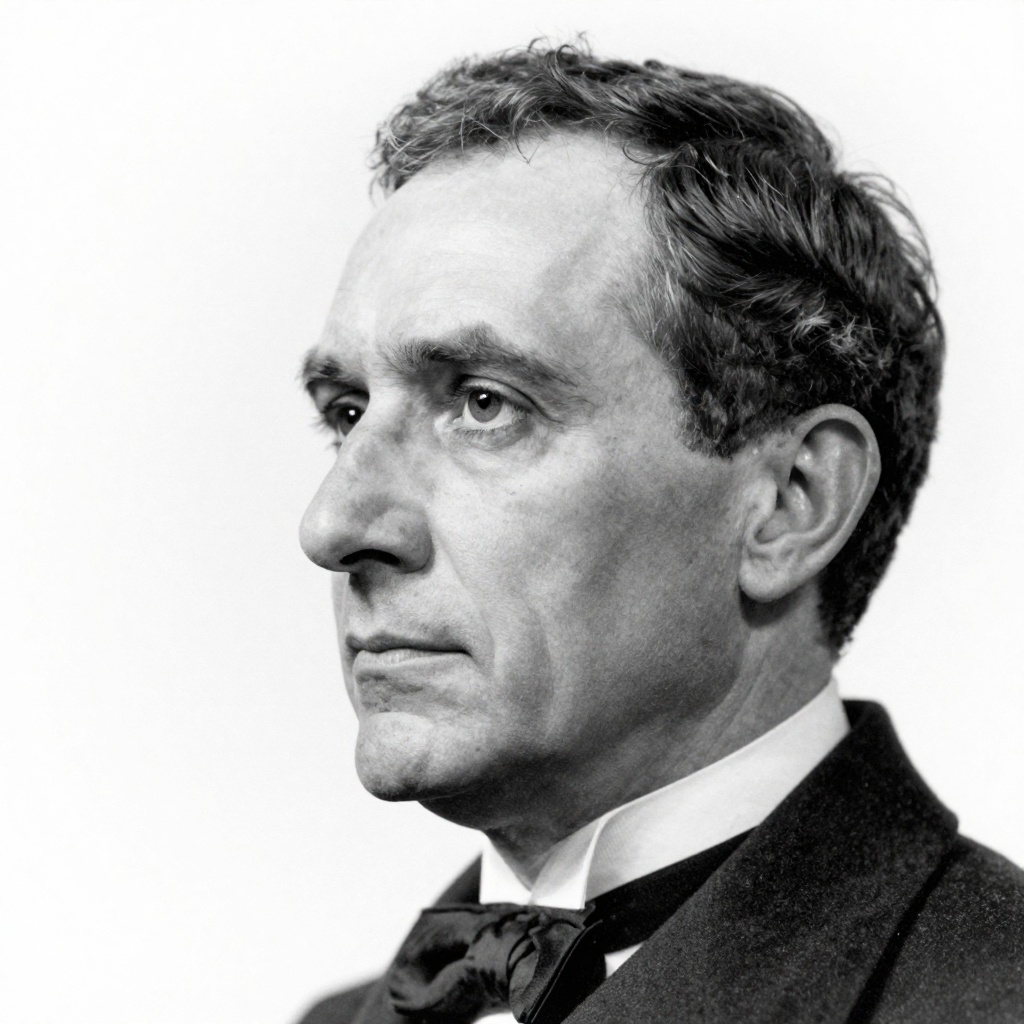
Two aged men, that had been foes for life, Met by a grave, and wept - and in those tears They washed away the... — Jean Paul

Two aged men, that had been foes for life, Met by a grave, and wept - and in those tears They washed away the memory of their strife; Then wept again the loss of all those years.

Author: Jean Paul

Insight: We spend years nursing grudges, rehearsing old arguments, building small walls brick by brick. Then something stops us cold—a funeral, a chance encounter, the sudden awareness that time is running out. Suddenly the thing we were fighting about doesn't matter anymore. What matters is that we wasted decades being angry at someone we actually knew, actually shared history with. This quote captures something almost unbearably human: not just that we regret the conflict, but that we grieve the wasted years themselves. The two men don't just forgive each other—they cry about what they lost by not forgiving sooner. That second wave of tears is the real one. It's the recognition that reconciliation, when it finally comes, arrives too late to give us back the time we squandered. Most of us are walking around with at least one relationship like this. The estrangement feels permanent until it isn't, and then we realize how arbitrary and exhausting it was to maintain. The quote doesn't offer easy comfort. It suggests that waiting for the grave to bring us to our senses is already a kind of loss we'll never recover.

The tears we shed too late

Two aged men, that had been foes for life, Met by a grave, and wept - and in those tears They washed away the memory of their strife; Then wept again the loss of all those years.

We spend years nursing grudges, rehearsing old arguments, building small walls brick by brick. Then something stops us cold—a funeral, a chance encounter, the sudden awareness that time is running out. Suddenly the thing we were fighting about doesn't matter anymore. What matters is that we wasted decades being angry at someone we actually knew, actually shared history with.

This quote captures something almost unbearably human: not just that we regret the conflict, but that we grieve the wasted years themselves. The two men don't just forgive each other—they cry about what they lost by not forgiving sooner. That second wave of tears is the real one. It's the recognition that reconciliation, when it finally comes, arrives too late to give us back the time we squandered.

Most of us are walking around with at least one relationship like this. The estrangement feels permanent until it isn't, and then we realize how arbitrary and exhausting it was to maintain. The quote doesn't offer easy comfort. It suggests that waiting for the grave to bring us to our senses is already a kind of loss we'll never recover.

AI generated

Comments

Sign in to leave a comment or reply to one.

Sign in

Jean Paul

Jean Paul, born Johann Paul Friedrich Richter in 1763, was a notable German Romantic writer and novelist known for his imaginative and philosophical works. His literary contributions, characterized by their humor and deep emotional resonance, include notable titles such as "Titan" and "Flegeljahre." Paul’s unique style and exploration of human experience had a significant influence on German literature and Romanticism.

Graph

Related