Quote · Added 14 February 2026
Sorrows are like thunderclouds, in the distance they look black, over our heads scarcely gray.
Jean PaulHesperus - 1795
No ratings yet
Filed undersorrows·perception·distance
Quote · Added 14 February 2026
Filed undersorrows·perception·distance
We all know the feeling of dread that builds when trouble seems distant—the way a problem looms larger in anticipation than it does when we're actually in it. This quote captures something true about how our minds work: we tend to catastrophize future pain while managing present pain with surprising resilience. When sorrow is still approaching, we imagine its full weight. But when it arrives and settles over us, we discover we're more capable than we feared.
This matters because so much of our suffering happens in advance, in the space between now and the feared moment. We lose sleep before the difficult conversation, more than we suffer during it. We spiral about the diagnosis before we learn how to live with it. The storm that looked apocalyptic from miles away often turns out to be something we can actually weather once we're in it.
There's a strange comfort here: the gap between imagined and actual sorrow is real, and it's usually wide. It doesn't erase pain, but it suggests that our anxiety about coming troubles is often worse than the troubles themselves. Next time you feel that black cloud gathering on the horizon, it's worth asking whether the storm will actually be as dark once it's overhead.
d. 1825
Jean Paul, born Johann Paul Friedrich Richter in 1763, was a notable German Romantic writer and novelist known for his imaginative and philosophical works. His literary contributions, characterized by their humor and deep emotional resonance, include notable titles such as "Titan" and "Flegeljahre." Paul’s unique style and exploration of human experience had a significant influence on German literature and Romanticism.
Also by Jean Paul
Age does not matter if the matter does not age.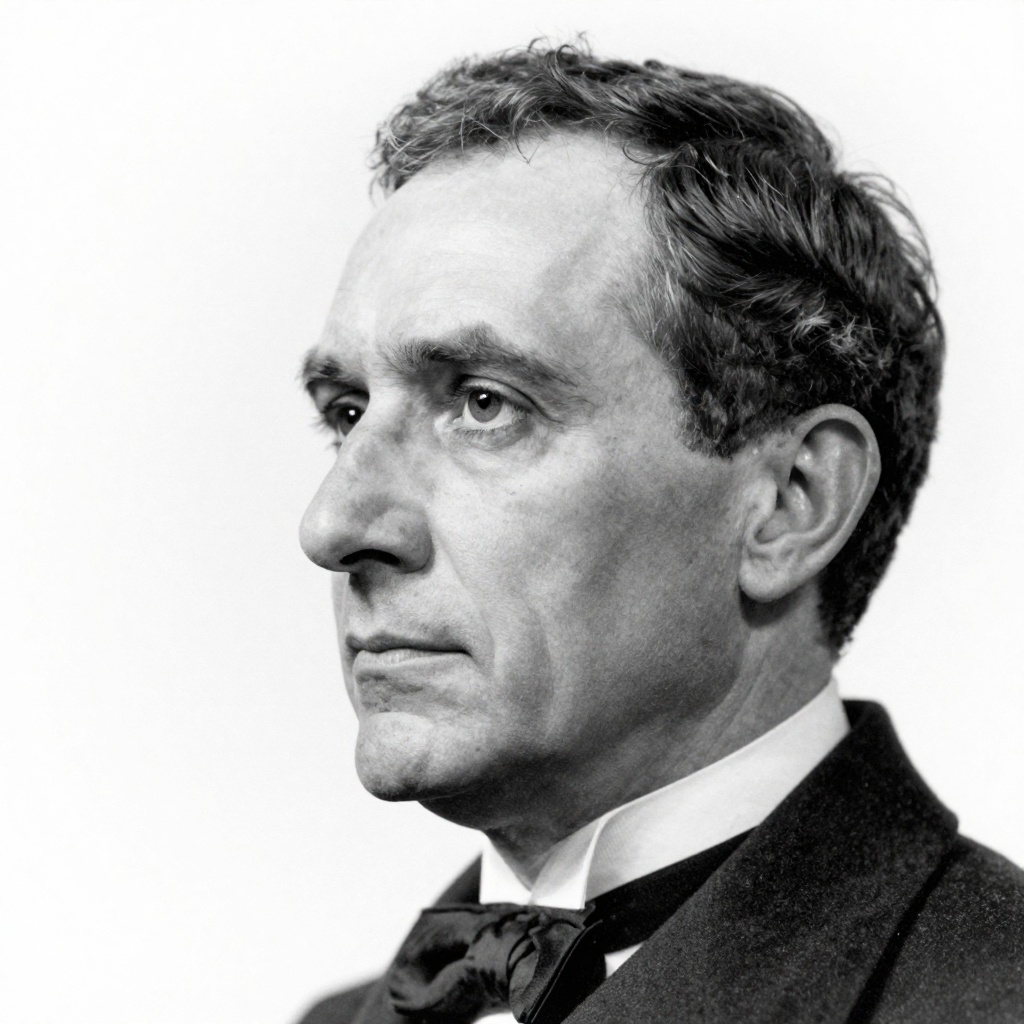
Comments