Quote · Added 14 February 2026
Gray hairs seem to my fancy like the soft light of the moon, silvering over the evening of life.
No ratings yet
Quote · Added 14 February 2026
There's something genuinely generous in this way of looking at aging. Most of us absorb the opposite message so thoroughly we barely notice it—that gray hair means decline, that we're fading. Jean Paul's image flips that completely. Instead of dimming, you're catching a different kind of light, one that's actually softer and more reflective than the harsh brightness of youth.
The trick is that he's not being falsely optimistic. He's not saying gray hair is better or that getting older doesn't change things. He's saying the change itself can have its own beauty if you stop fighting the metaphor. Moonlight doesn't replace sunlight; it transforms how you see things. It makes some details clearer while softening others. That shift from bright urgency to something more contemplative isn't a loss—it's a legitimate change in perspective.
Where this gets interesting is that it suggests aging might not be about becoming less, but about becoming different in ways that could actually suit you better. Less performance, more presence. Less needing to prove everything, more noticing what actually matters. The evening of life isn't the morning—but maybe it doesn't need to be.
d. 1825
Jean Paul, born Johann Paul Friedrich Richter in 1763, was a notable German Romantic writer and novelist known for his imaginative and philosophical works. His literary contributions, characterized by their humor and deep emotional resonance, include notable titles such as "Titan" and "Flegeljahre." Paul’s unique style and exploration of human experience had a significant influence on German literature and Romanticism.
Also by Jean Paul
Age does not matter if the matter does not age.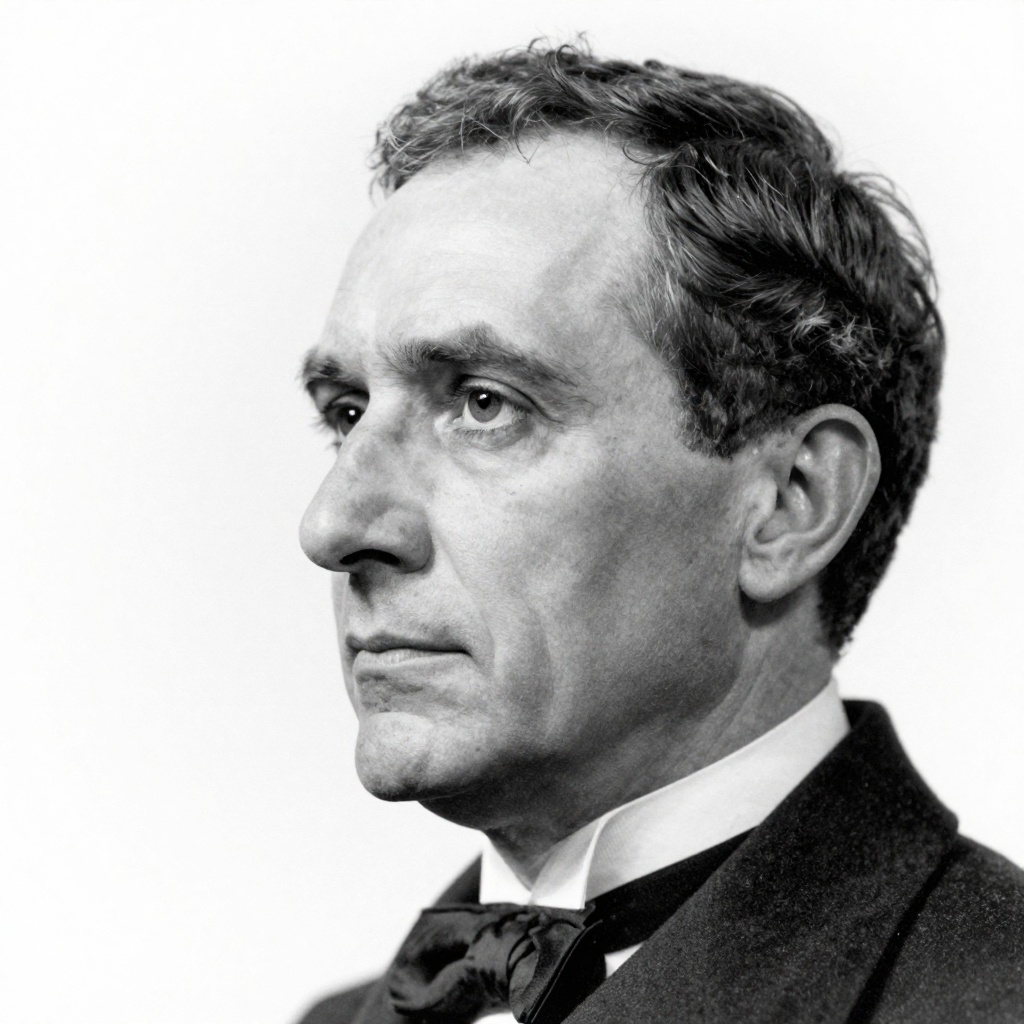
Comments