Quote · Added 1 May 2024
Patience is bitter, but its fruit is sweet.
Jean-Jacques RousseauJulie - or the New Heloise, 1761
No ratings yet
Quote · Added 1 May 2024
We live in an age that has essentially declared war on patience. Everything from streaming services to social media is engineered to give us what we want right now, which makes the experience of waiting feel increasingly unnatural—almost like a personal failure. But Rousseau was onto something that our instant-gratification culture tries to hide: the bitterness he's describing isn't a flaw in the waiting process. It's actually the point.
When you're patient with something difficult—whether that's learning a skill, letting a relationship heal, or saving for something meaningful—you're choosing the hard thing. You're tolerating discomfort, doubt, and the nagging sense that you're falling behind. That's genuinely bitter. But here's what gets overlooked: patience changes what the reward actually tastes like. A difficult goal you finally reach feels different than something handed to you. A trust you rebuild after conflict feels different than one never broken. The fruit isn't just sweet because you waited; it's sweet because you did.
The counterintuitive part is that impatience often promises efficiency but delivers empty calories. We rush to conclusions, skip steps, burn out. Patience, for all its frustration, tends to create things that actually last.
1712–1778·lived 66 years
Jean-Jacques Rousseau was an 18th-century Swiss philosopher, writer, and composer. He is best known for his influential works, such as "The Social Contract" and "Emile," which significantly contributed to the Enlightenment period and political philosophy. Rousseau's ideas on democracy, freedom, and education had a lasting impact on Western thought.
Also by Jean-Jacques Rousseau
Civilization is a hopeless race to discover remedies for the evils it produces.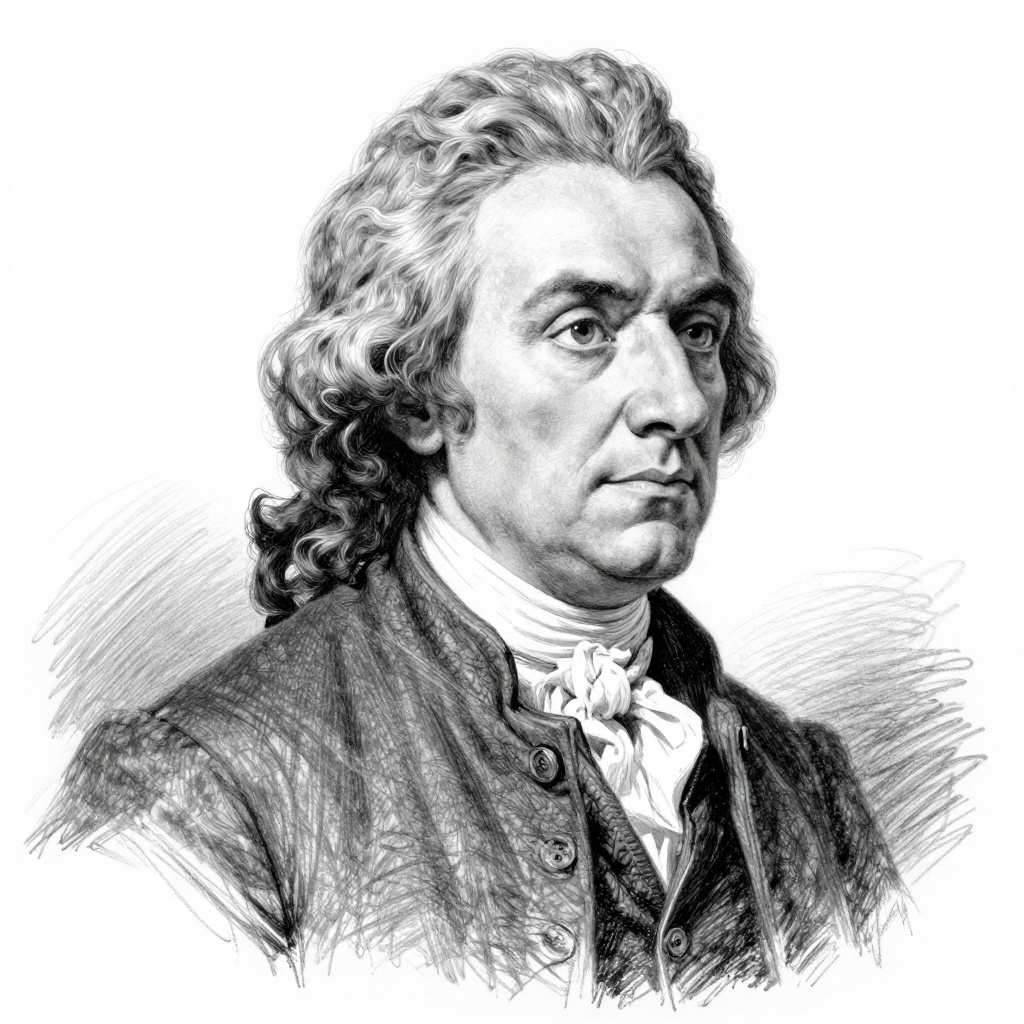
Comments