Quote · Added 14 February 2026
By the work one knows the workman.
Jean de La FontaineFables, Book 1, 1668
No ratings yet
Filed underwork·identity·recognition
Quote · Added 14 February 2026
Filed underwork·identity·recognition
We spend so much time managing our image—what we say about ourselves, how we present online, the story we tell at dinner parties. But here's what's unsettling about this old observation: none of that matters nearly as much as what we actually produce. Your work, whatever it is, broadcasts the truth about you in a way no amount of self-promotion can mask or fix.
This applies far beyond traditional jobs. The friend who's always talking about self-care but never actually shows up for people reveals something through that pattern. The person who keeps saying they'll start a project but never does is being defined by that very avoidance. Even the small things—how you handle a task nobody's watching, whether you cut corners on something "nobody will know about"—these are the real evidence. Work doesn't lie the way words can.
The uncomfortable part is that improvement isn't theoretical. You can't think your way into being known as someone reliable or creative or thoughtful. You have to actually do something, repeatedly, in real conditions. That's both sobering and oddly liberating—you're not stuck with your reputation as long as you're willing to change what you're actually doing.
1621–1695·lived 73 years
Jean de La Fontaine was a 17th-century French poet known for his collection of fables. His works, including "Fables" or "La Fontaine's Fables," are renowned for their moral lessons and wit, making him one of the most famous fabulists in French literature.
Also by Jean de La Fontaine
Patience and time do more than strength or passion.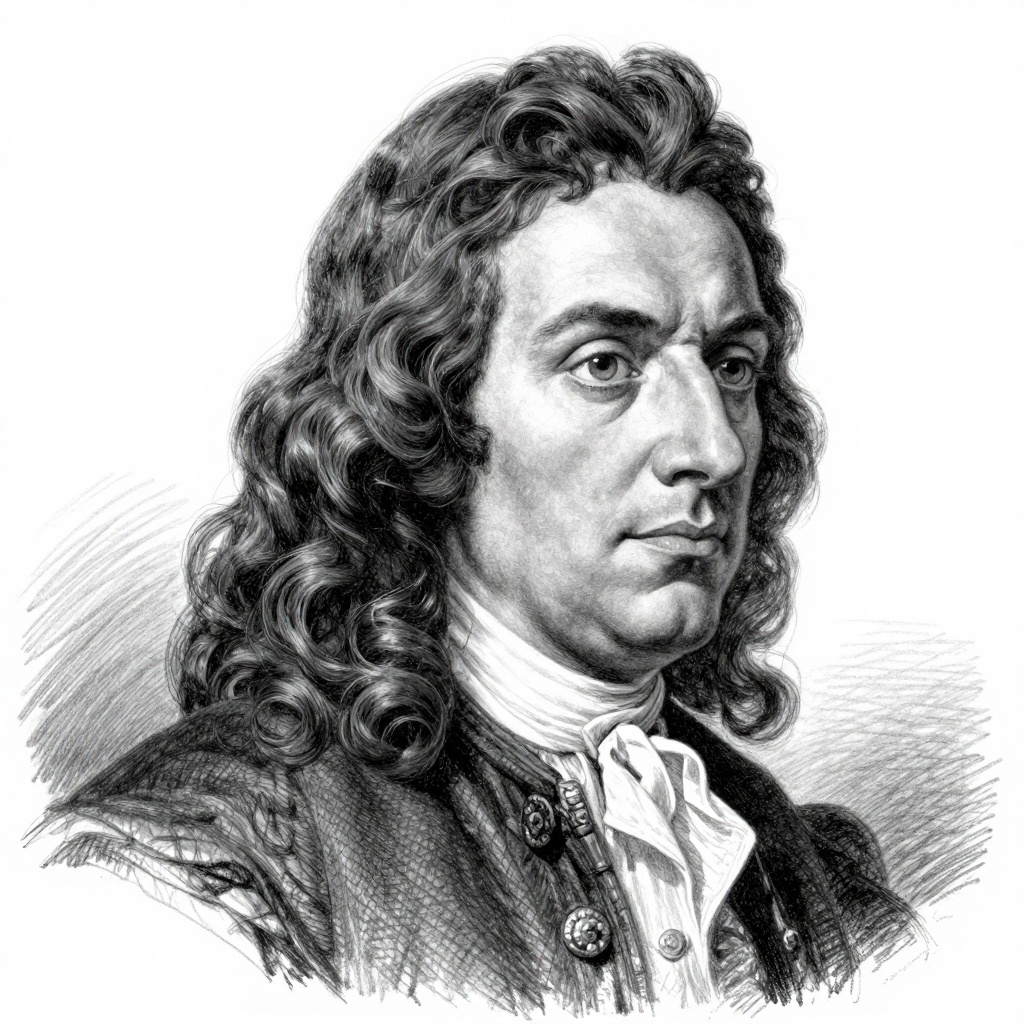
Comments