Quote · Added 14 February 2026
Two persons cannot long be friends if they cannot forgive each other's little failings.
Jean de la BruyereLes Caractères, 1688
No ratings yet
Filed underforgiveness·friendship·understanding
Quote · Added 14 February 2026
Filed underforgiveness·friendship·understanding
Friendship is one of the few relationships where we actually expect perfection—or at least, we act that way. We tolerate our own endless flaws, our bad moods and forgotten promises, but we can be oddly unforgiving when a friend lets us down. Someone forgets to text back, makes an insensitive joke, or sides with someone else in a conflict, and suddenly we're holding a grudge like it's a criminal offense.
The thing is, friendship doesn't survive on grand gestures or dramatic loyalty. It survives on the unglamorous ability to move past small stuff. Not because the other person deserves it or because you're noble, but because the alternative—keeping score, nursing resentment—slowly poisons something that was supposed to feel easy. Every unforgiving moment builds a little wall, and eventually you're not really friends anymore, just two people who used to be.
What makes this tricky in practice is that we often can't tell which failures are "little" until we actually forgive them. Sometimes the thing that feels huge in the moment—a misunderstanding, a thoughtless comment—shrinks to nothing once you let it go. The friendships that last aren't between perfect people. They're between people who decided that their connection mattered more than being right about everything.
1645–1696·lived 50 years
Jean de la Bruyère was a French philosopher and moralist born in 1645 and died in 1696. He is best known for his work "Les Caractères," a series of observations on human nature and society that reflect his keen insight into the social dynamics of his time. His writings contributed significantly to French literature and the genre of character study.
Also by Jean de la Bruyere
No road is to long for him who advances slowly and does not hurry and no attainment is bey...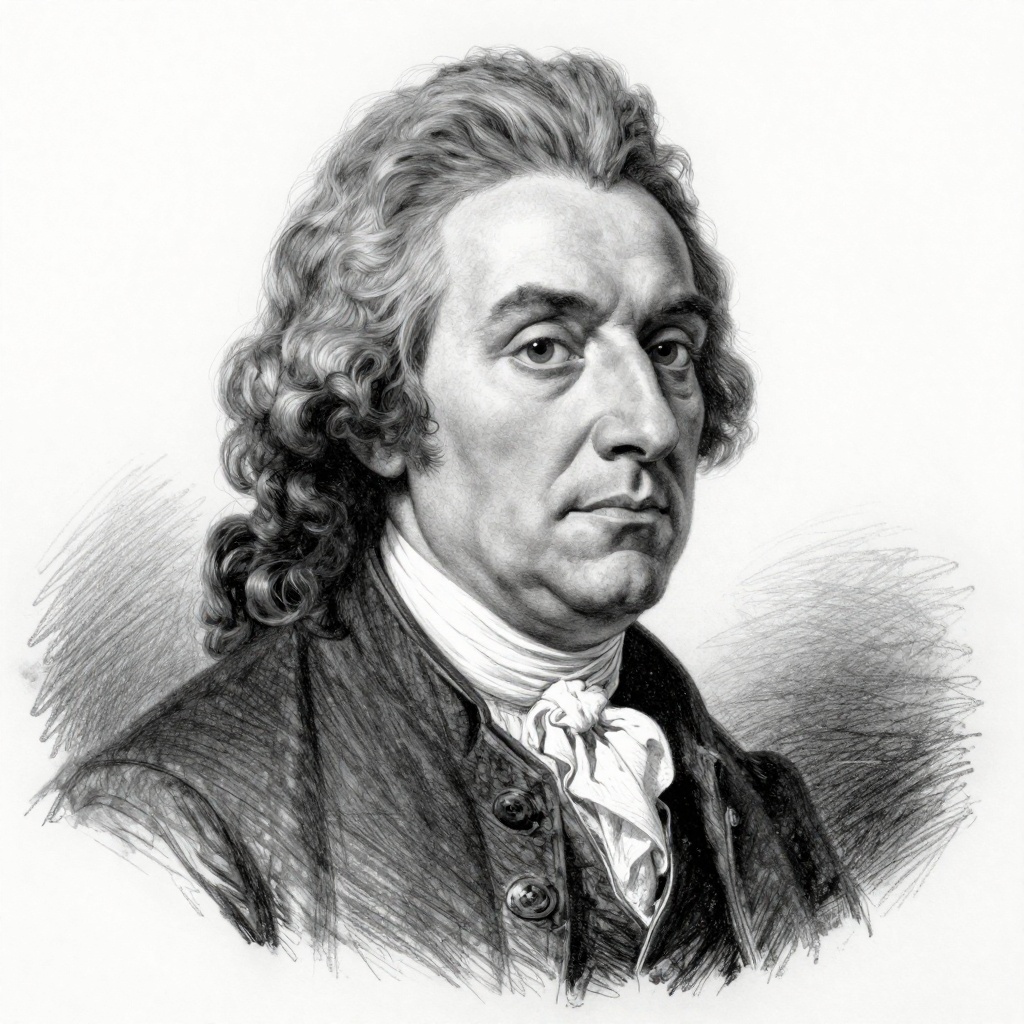
Comments