Quote · Added 14 February 2026
Reading
AI generatedWhat you do proves who you are
We live in an age where people can craft perfect personas online—thoughtful posts, inspiring stories, carefully curated values. It's easier than ever to tell the world who we are. But this quote cuts through that noise: what actually matters is what you do when no one's watching, or when doing the right thing costs you something.
The tricky part is that we're all prone to believing our own stories. You might genuinely think of yourself as honest, kind, or hardworking based on your intentions and how you talk about yourself. But integrity isn't about the gap between who you want to be and who you actually are—it's about how small that gap is. It shows up in whether you keep promises to people who can't help you back, how you treat people with less power than you, and whether you're the same person in the boardroom as you are at home.
This matters because character is built through repetition, not through grand declarations. Every small choice to be honest, patient, or fair is like a deposit in an integrity account. And over time, that's what people actually remember about you—not what you said you believed, but what you proved you were willing to do.
The author
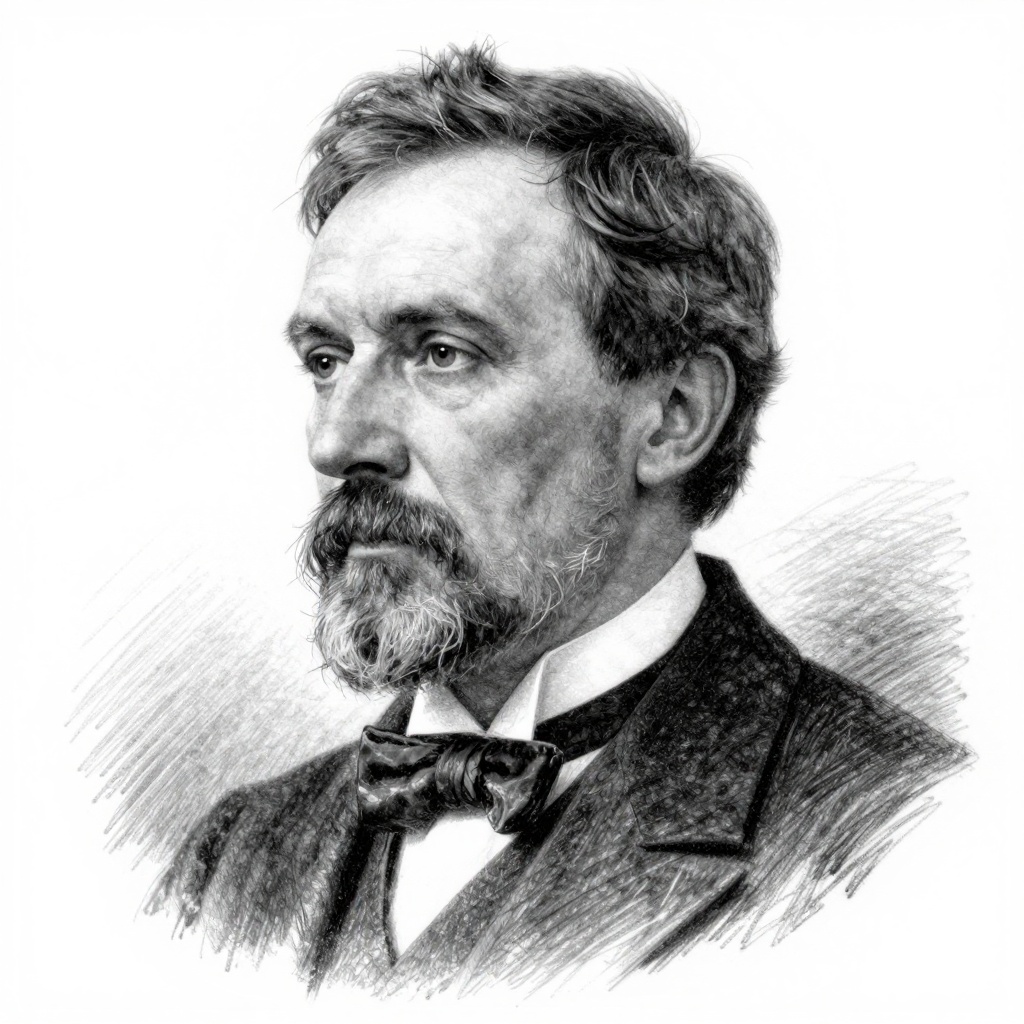
J.C. Ryle
1816–1900·lived 84 years
J.C. Ryle (1816-1900) was an English evangelical bishop, theologian, and writer known for his strong advocacy of the Anglican church and his emphasis on personal piety and holiness. He served as the first Bishop of Liverpool from 1880 until his death and is renowned for his biblical expository writings, including the influential book "Holiness." Ryle was a prominent figure in the Oxford Movement and had a significant impact on the evangelical movement within the Church of England.
Comments