Quote · Added 23 January 2026
The person, be it gentleman or lady, who has not pleasure in a good novel, must be intolerably stupid.
Jane AustenNorthanger Abbey, p. 87, 1818
No ratings yet
Filed undernovel·intelligence·pleasure
Quote · Added 23 January 2026
Filed undernovel·intelligence·pleasure
There's something refreshing about Austen's bluntness here, especially now when we've gotten so careful about taste. She's not saying novels are nice or that some people prefer them—she's saying that not enjoying a good story reveals something broken in how you experience the world. And she might have a point worth taking seriously, even if we'd phrase it differently today.
Reading fiction does something specific to your brain: it forces you to inhabit another person's perspective, to care about stakes that aren't yours, to sit with complexity that doesn't neatly resolve. When someone genuinely can't engage with that—when they dismiss it as frivolous or beneath them—they're often cutting themselves off from empathy itself. It shows up in real life as impatience, rigidity, an inability to imagine how things look from someone else's vantage point.
The surprise here is that Austen isn't being elitist about literature. She's making an argument about what it means to be human. A good novel doesn't require fancy education—it requires curiosity and the willingness to feel. That's not stupid-proofing yourself; that's keeping yourself alive to possibility. Her harshness is actually her way of saying this matters.
1775–1817·lived 41 years
Jane Austen was an English novelist known for her witty and insightful portrayals of the British landed gentry during the early 19th century. Her works, including "Pride and Prejudice" and "Sense and Sensibility," are celebrated for their social commentary, humor, and enduring popularity. Austen's writing style and keen observations of societal norms have cemented her as one of the most beloved and influential authors in English literature.
Also by Jane Austen
Happiness in marriage is entirely a matter of chance.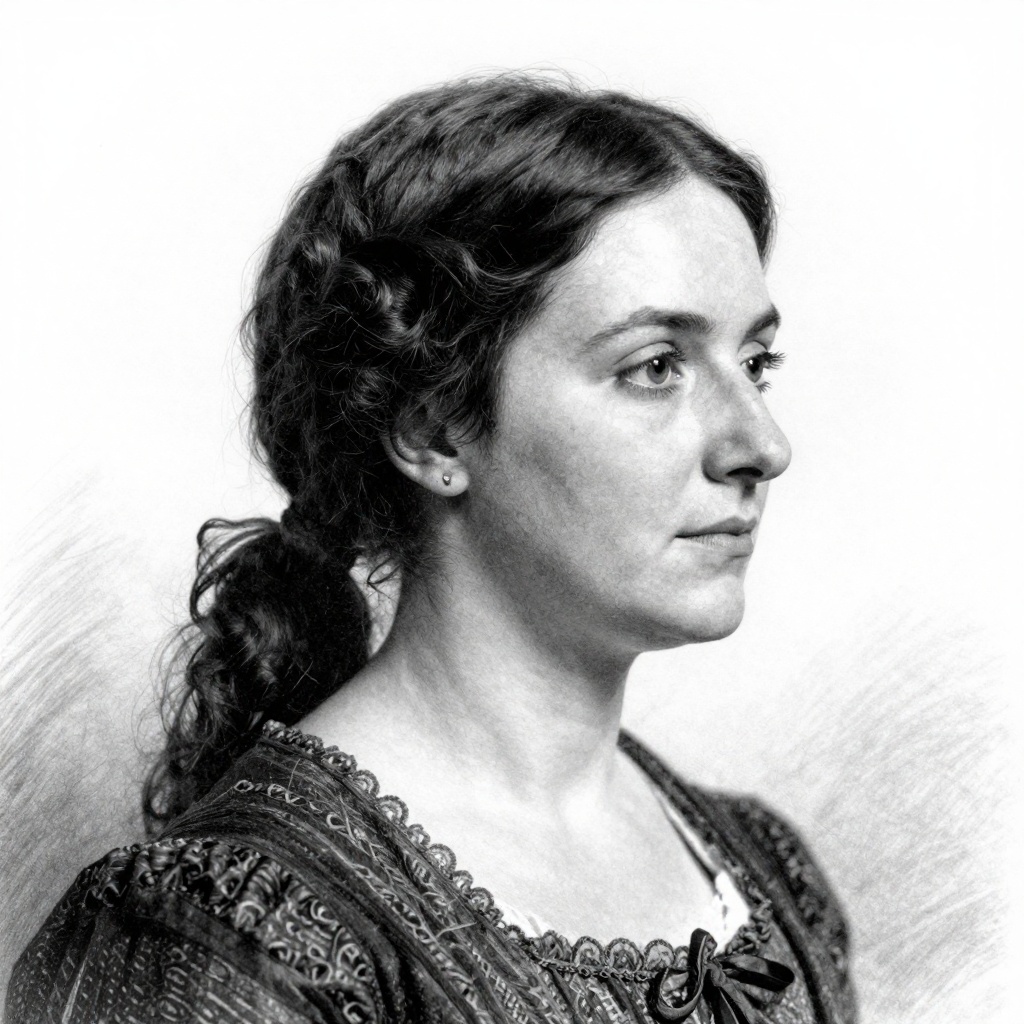
Comments