Quote · Added 15 February 2026
Age does not make us childish, as some say; it finds us true children.
No ratings yet
Quote · Added 15 February 2026
We like to tell ourselves that growing up means becoming serious, rational, and done with wonder. But what if the opposite is true? What if aging actually strips away the armor we built as kids—the need to perform competence, the fear of looking foolish, the constant checking of social approval—and reveals something simpler underneath? That's what Froude seems to be saying: the traits we dismiss as childish aren't something age adds to us; they're what was there all along, just buried.
You see this when older people stop apologizing for their curiosity, their enthusiasm, their willingness to be delighted by small things. A retired person might spend an afternoon fascinated by how birds navigate, or get genuinely excited about a terrible pun. They're not regressing—they're finally being themselves without the teenage need to seem bored and above things. The real cost of maturity, it turns out, isn't becoming deep and serious. It's the exhausting pretense that you're not interested in the world anymore.
The twist is that reclaiming this childishness is one of the more adult things you can do. It takes courage to be enthusiastic, to ask questions, to be enchanted—more courage than cynicism ever requires.
1818–1894·lived 76 years
James Anthony Froude was a 19th-century English historian, biographer, and novelist, born on April 23, 1818. He is best known for his work "Thomas Carlyle: A History of the First Forty Years of His Life" and for his writings on the history of England, particularly his influential book "The History of England from the Fall of Wolsey to the Defeat of the Spanish Armada." Froude also contributed to literature and served as the editor of Fraser's Magazine.
Also by James Anthony Froude
You cannot dream yourself into a character; you must hammer and forge yourself one.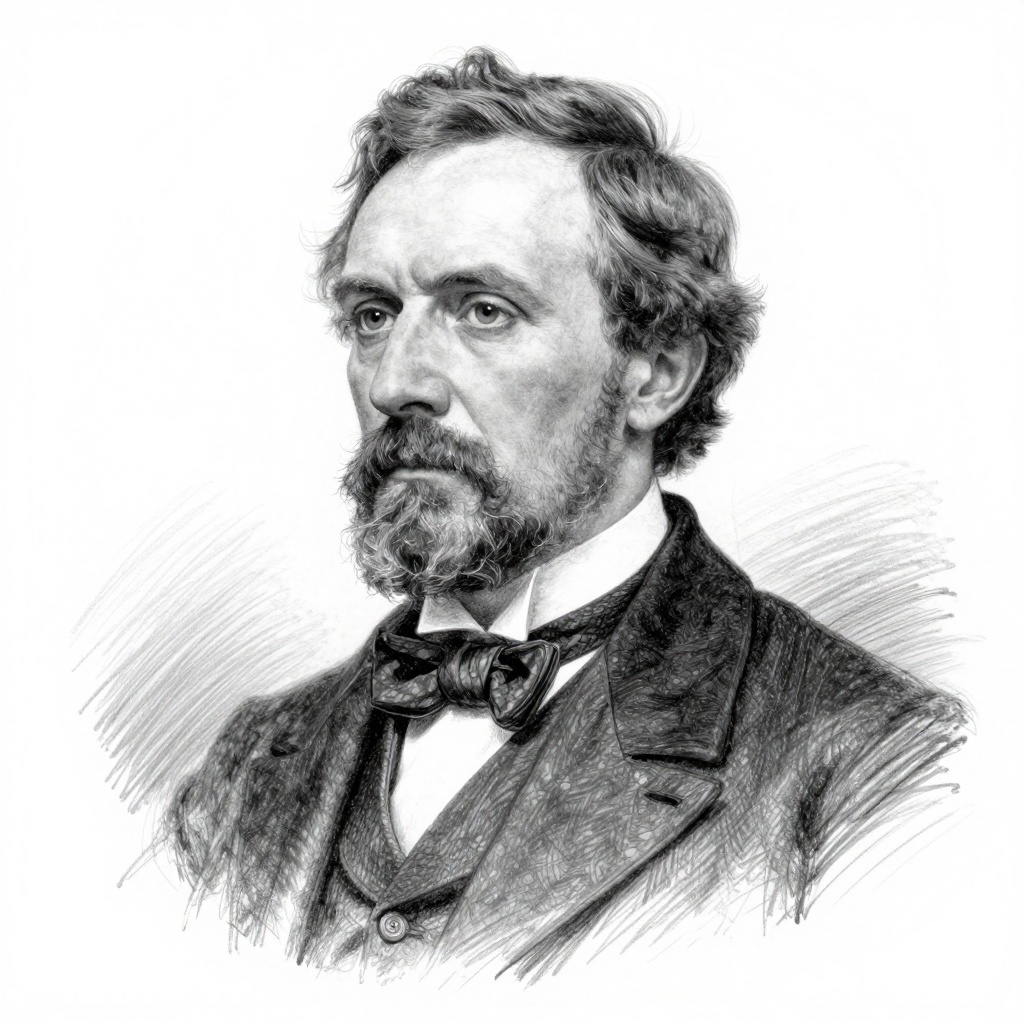
Comments