Quote · Added 14 February 2026
A person possessed with an idea cannot be reasoned with.
No ratings yet
Quote · Added 14 February 2026
We've all been there—arguing with someone (or being that someone) who's locked onto a single idea and won't budge no matter what facts you throw at them. It's frustrating because logic feels like it should work. But Froude is pointing at something deeper than simple stubbornness: when an idea possesses someone, it stops being just a thought they hold and becomes part of their identity, their belonging, their sense of meaning.
This matters more now than ever. We see it constantly—in arguments about politics, health, parenting, diets, religion. Once someone has invested emotionally in believing something, more evidence often makes them dig in harder, not cave. Their brain isn't doing math anymore; it's protecting something that feels like it defines them. A person might have started with a genuine question, but somewhere along the way, the idea became their tribe, their reputation, their proof that they're right.
The real insight? You can't reason someone out of a position they didn't reason themselves into. Understanding this doesn't mean giving up on conversations—it means approaching the person differently. Instead of piling on counter-arguments, you're better off asking what draws them to that idea in the first place, what need it fills. Sometimes that's the only door that actually opens.
1818–1894·lived 76 years
James Anthony Froude was a 19th-century English historian, biographer, and novelist, born on April 23, 1818. He is best known for his work "Thomas Carlyle: A History of the First Forty Years of His Life" and for his writings on the history of England, particularly his influential book "The History of England from the Fall of Wolsey to the Defeat of the Spanish Armada." Froude also contributed to literature and served as the editor of Fraser's Magazine.
Also by James Anthony Froude
You cannot dream yourself into a character; you must hammer and forge yourself one.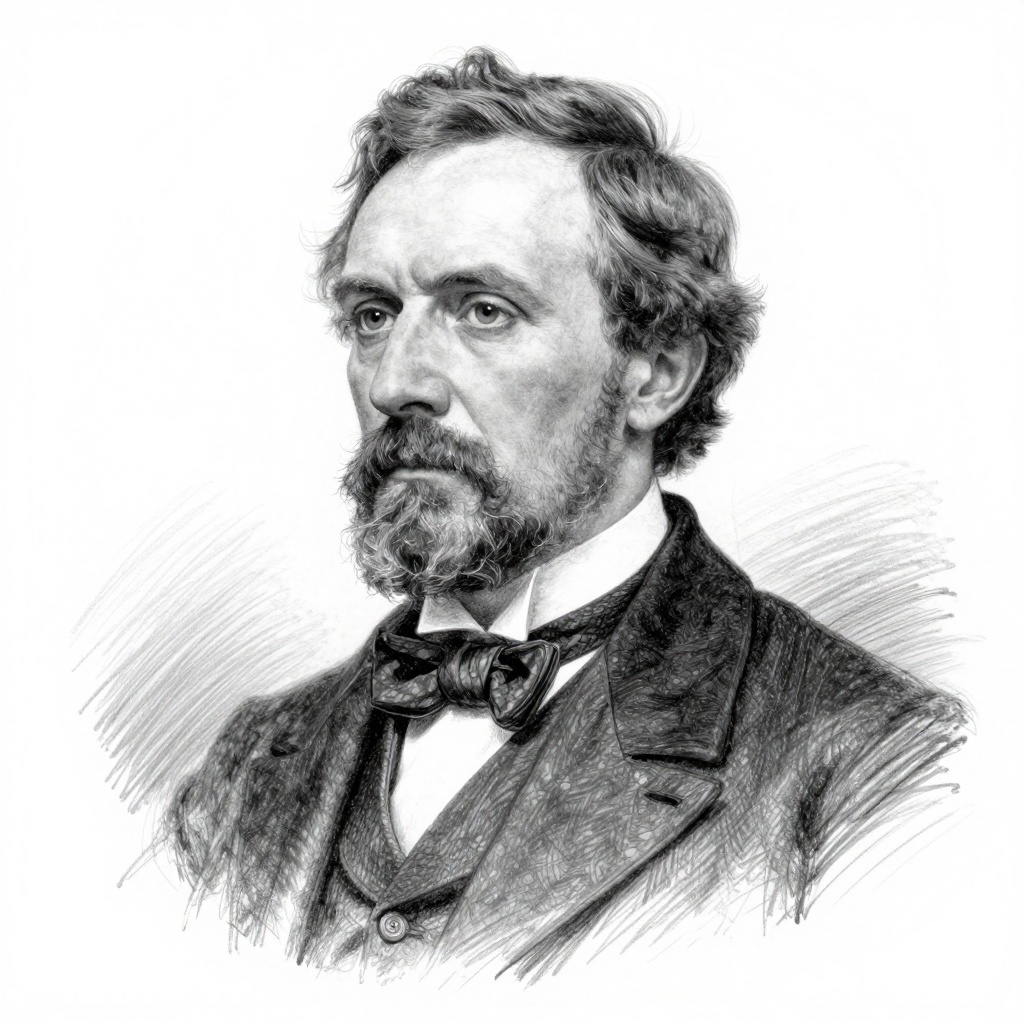
Comments