Quote · Added 30 June 2024
What we know is a drop, what we don’t know is an ocean.
No ratings yet
Filed underknowledge·exploration·curiosity
Quote · Added 30 June 2024
Filed underknowledge·exploration·curiosity
Most of us live as if the opposite were true. We collect facts, get a degree, land expertise in our field, and start feeling like we've got the picture sorted. But Newton—maybe the greatest scientific mind who ever lived—looked at everything he'd discovered and saw it as barely scratching the surface. That's worth sitting with for a moment.
The real insight isn't just that knowledge is finite. It's that recognizing your ignorance is actually a sign of understanding. When you're shallow in a subject, you don't know what you don't know, so everything feels manageable. But the deeper you go—whether it's science, parenting, your own psychology, or how the world actually works—the more you bump into the edges of mystery. This is humbling, sure, but it's also liberating. It means you're not supposed to have it all figured out. It means curiosity stays alive.
In a culture obsessed with appearing knowledgeable, Newton's perspective is almost radical. It suggests that the smartest move isn't pretending you know more than you do, but honestly mapping out what you don't. That's where real learning, real growth, and real humility begin.
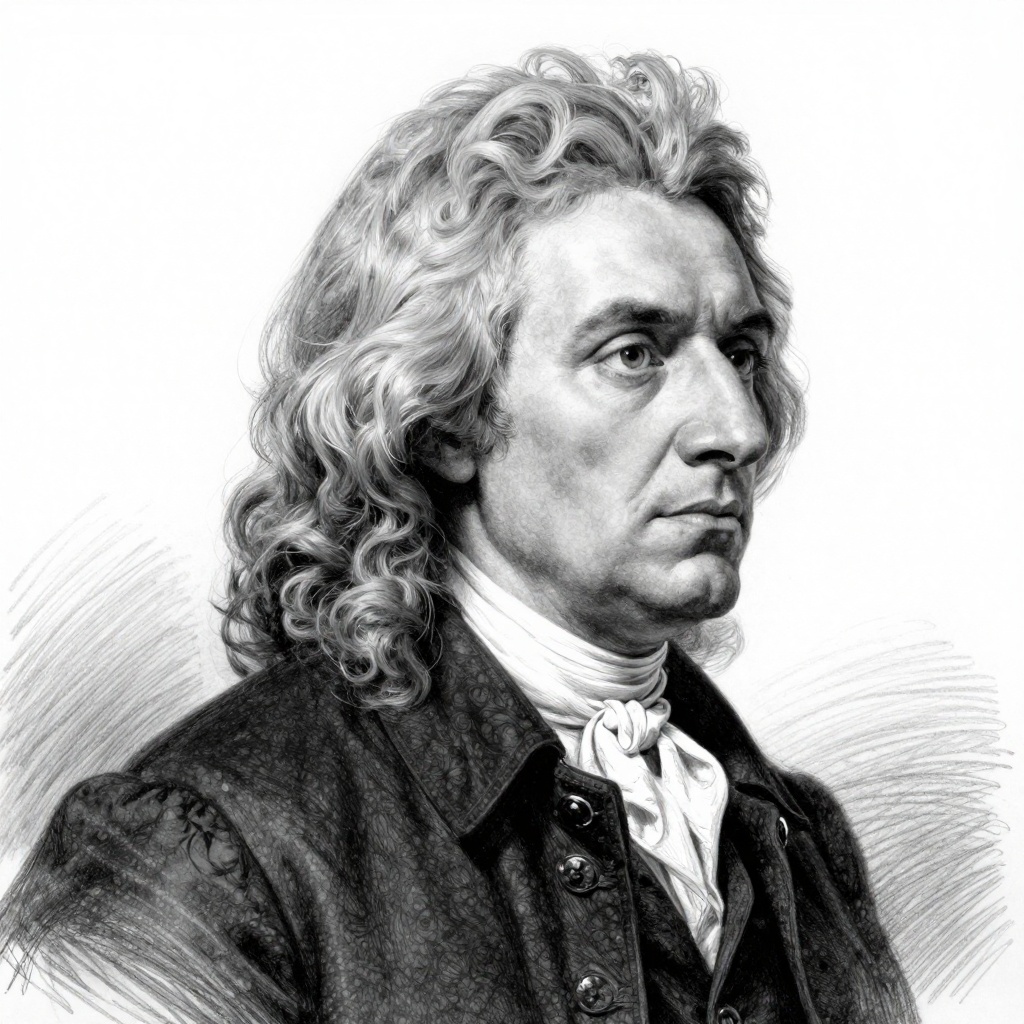
1643–1727·lived 84 years
Isaac Newton (1643–1727) was an English mathematician, physicist, and astronomer, widely recognized for formulating the laws of motion and universal gravitation. His work laid the foundation for classical mechanics and greatly advanced our understanding of the natural world.
Comments