Quote · Added 11 February 2026
The world is independent of my will.
Immanuel KantThe Critique of Pure Reason, 1781
Filed underworld·independence·acceptance
Quote · Added 11 February 2026
Filed underworld·independence·acceptance
We spend a lot of mental energy trying to bend reality to match what we want. We imagine the perfect outcome, rehearse conversations that haven't happened yet, or feel frustrated when circumstances don't cooperate with our plans. What Kant reminds us is something we already know but often forget: the world doesn't actually care about our preferences. Rain falls on the day we planned the picnic. People react differently than we predicted. Our carefully constructed plans collide with other people's plans, physics, bad luck, or simple indifference.
The odd thing is that recognizing this limitation is actually freeing. Once you stop secretly believing you should control everything, you can redirect that energy toward what you actually can influence. You can't control whether you get the job, but you can control the quality of your application and how you show up to the interview. You can't control what others think of you, but you can control your integrity and effort. This isn't about giving up; it's about being realistic about where your power actually lives.
The hardest part might be accepting that this boundary exists not because you're weak, but because you're human. Even the strongest will eventually bumps against a world that operates by its own rules. The sooner we make peace with that, the sooner we stop wasting energy on resentment and start building something that actually works.
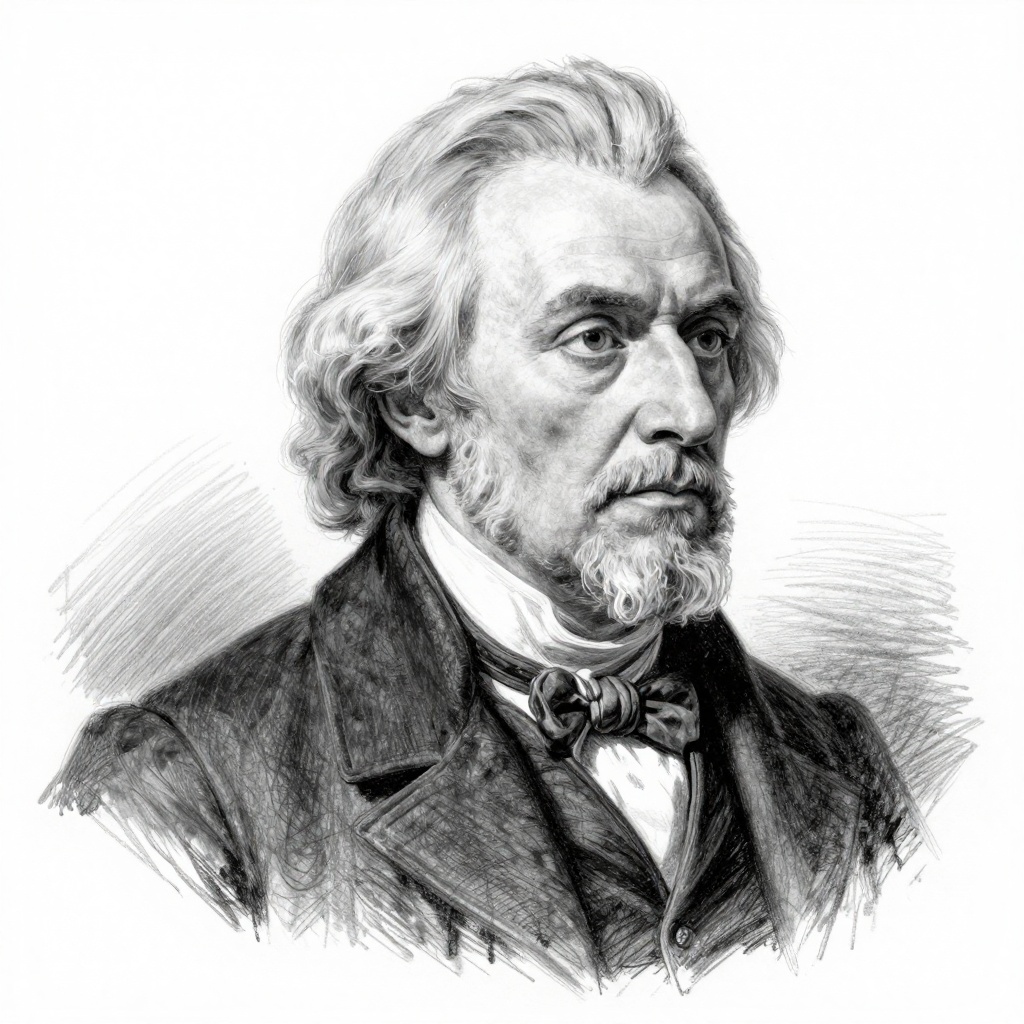
1724–1804·lived 79 years
Immanuel Kant (1724–1804) was a German philosopher known for his work in metaphysics, ethics, and epistemology. He is considered one of the most influential thinkers in the history of Western philosophy, particularly for his ideas on the nature of knowledge, morality, and the mind.
Comments