Quote · Added 14 February 2026
It is not God's will merely that we should be happy, but that we should make ourselves happy.
Immanuel KantUPSC Factory
Quote · Added 14 February 2026
There's a quiet rebellion in this idea: happiness isn't something that happens to you, like winning the lottery or catching a break. It's something you have to actively construct, through choices and effort and showing up for yourself. Kant is saying that waiting around for life to deliver contentment is missing the whole point. You're the one with the hammer.
This cuts against a lot of modern thinking. We're surrounded by messages suggesting that happiness comes from the right product, the right person, or the right circumstance finally clicking into place. But anyone who's gotten what they thought they wanted and felt empty knows the truth: external things create the conditions, but you're the one who has to do the work. That means sometimes you have to choose the harder path because it matters to you. Sometimes you have to build a routine that supports your wellbeing even when it's boring. Sometimes you have to say no to things that feel easy in the moment but hollow you out.
The honest part—the part that makes this more than just self-help cheerleading—is that this places real responsibility on you. You can't blame your unhappiness entirely on your circumstances. But you also can't fail. You're in charge.
1724–1804·lived 79 years
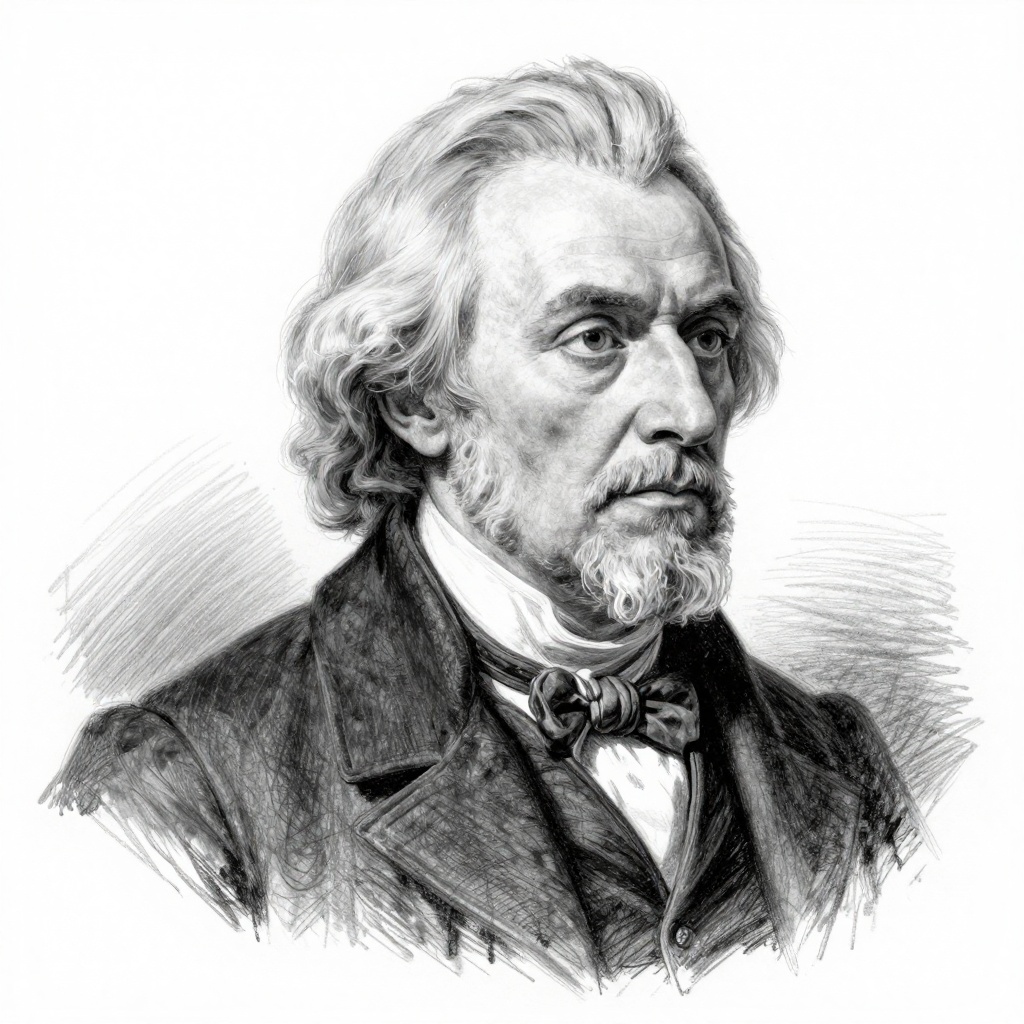
Immanuel Kant (1724–1804) was a German philosopher known for his work in metaphysics, ethics, and epistemology. He is considered one of the most influential thinkers in the history of Western philosophy, particularly for his ideas on the nature of knowledge, morality, and the mind.
Comments