Quote · Added 14 February 2026
Reading
AI generatedDoubt as the engine of truth
We live in a culture that treats doubt like a weakness—something to overcome quickly and move past. But Ballou spotted something crucial: doubt is actually what keeps us honest. Without it, we'd settle into comfortable assumptions and call them facts. Doubt is the small voice asking "Wait, is that actually true?" or "Have I considered this from another angle?" It's what separates thoughtful people from stubborn ones.
The tricky part is that doubt can feel exhausting. It's easier to commit to a belief and defend it than to keep questioning. But the people who stay curious—who ask questions instead of just collecting answers—tend to get closer to what's real. They change their minds when evidence suggests they should. They notice when they're wrong. That willingness to doubt, especially your own conclusions, is what turns casual curiosity into actual understanding.
The catch is knowing when you're doubting productively versus just spinning your wheels in uncertainty. Ballou's point isn't that you should doubt everything endlessly. It's that inquiry—actual investigation and honest thinking—has to start with the humility of not already knowing. The doubt itself isn't the destination. It's the engine that gets you moving toward something truer.
The author
All 2 quotes by Hosea Ballou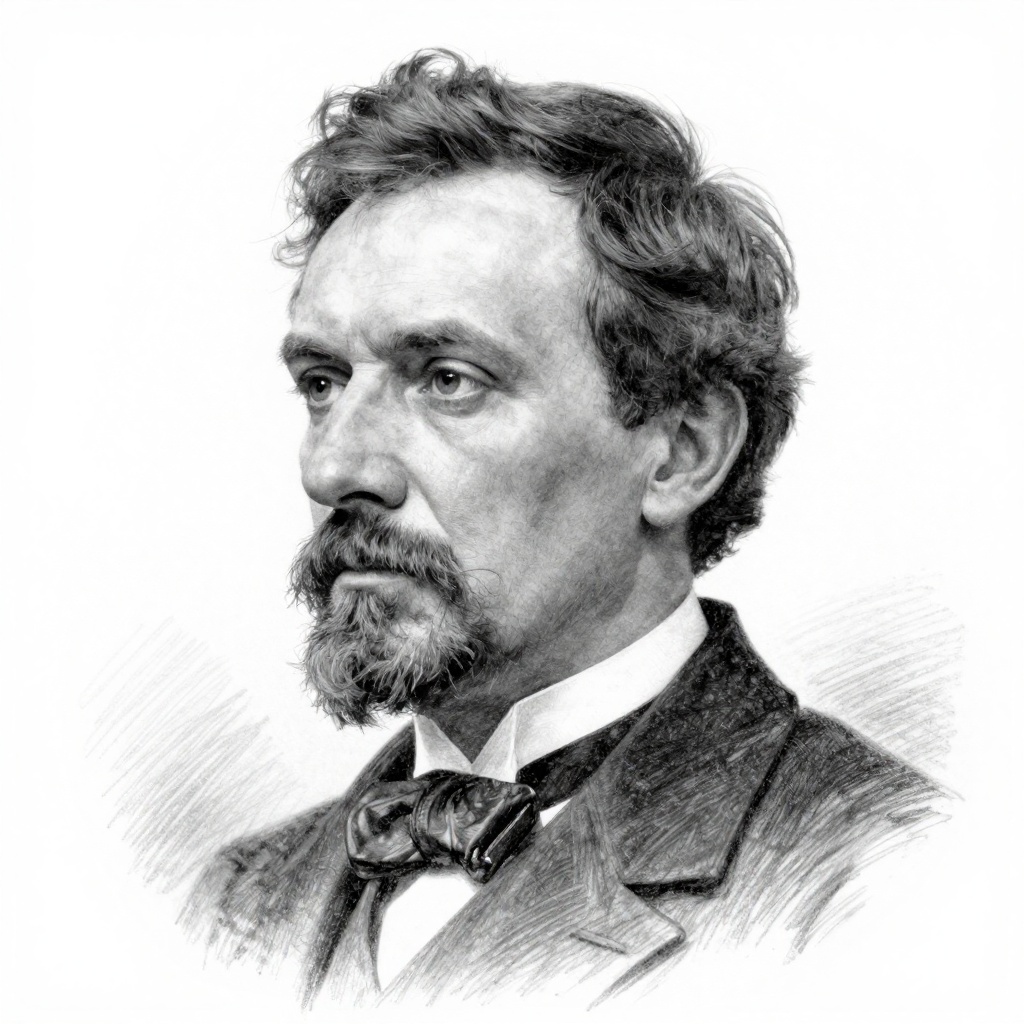
Hosea Ballou
1808–1852·lived 44 years
Hosea Ballou (1771-1852) was an American Universalist minister, theologian, and author, known for his influential role in the development of Universalism in the United States. He emphasized the belief in universal salvation and was a prominent advocate for the idea that all souls would ultimately achieve salvation, which set him apart from more traditional Christian doctrines. Ballou authored several works, including "A Treatise on Atonement," which helped to articulate and spread Universalist principles during his time.
Also by Hosea Ballou
Real happiness is cheap enough, yet how dearly we pay for its counterfeit.
Comments