Quote · Added 14 February 2026
Real happiness is cheap enough, yet how dearly we pay for its counterfeit.
Filed underhappiness·authenticity·value
Quote · Added 14 February 2026
Filed underhappiness·authenticity·value
We chase expensive things convinced they'll make us happy—the bigger apartment, the perfect vacation, the status symbol we think everyone respects. Meanwhile, the actual sources of contentment are often sitting right there, nearly free: a conversation with someone who gets you, an afternoon with nothing scheduled, work that feels meaningful. The strange part is that we know this intuitively. We've all had moments where the cheapest pleasures—a walk, a meal shared, being alone with our thoughts—felt more satisfying than anything we paid real money for.
The trap isn't that we don't understand this. It's that counterfeits are designed to feel like the real thing, at least at first. A purchase gives us a genuine hit of pleasure, even if it fades. Social media tells us other people are happier with their acquisitions, so we believe contentment must come from consuming. We pay dearly—in money, time, stress, attention—chasing happiness that requires constant maintenance and upgrading.
What's worth noticing is that this isn't a moral failing. It's just how we're wired to notice shiny things. The practical move isn't to reject everything costly. It's to get genuinely curious about which of your small, inexpensive moments actually stick with you—and then, radically, to protect space for more of those.
1808–1852·lived 44 years
Hosea Ballou (1771-1852) was an American Universalist minister, theologian, and author, known for his influential role in the development of Universalism in the United States. He emphasized the belief in universal salvation and was a prominent advocate for the idea that all souls would ultimately achieve salvation, which set him apart from more traditional Christian doctrines. Ballou authored several works, including "A Treatise on Atonement," which helped to articulate and spread Universalist principles during his time.
Also by Hosea Ballou
Doubt is the incentive to truth and inquiry leads the way.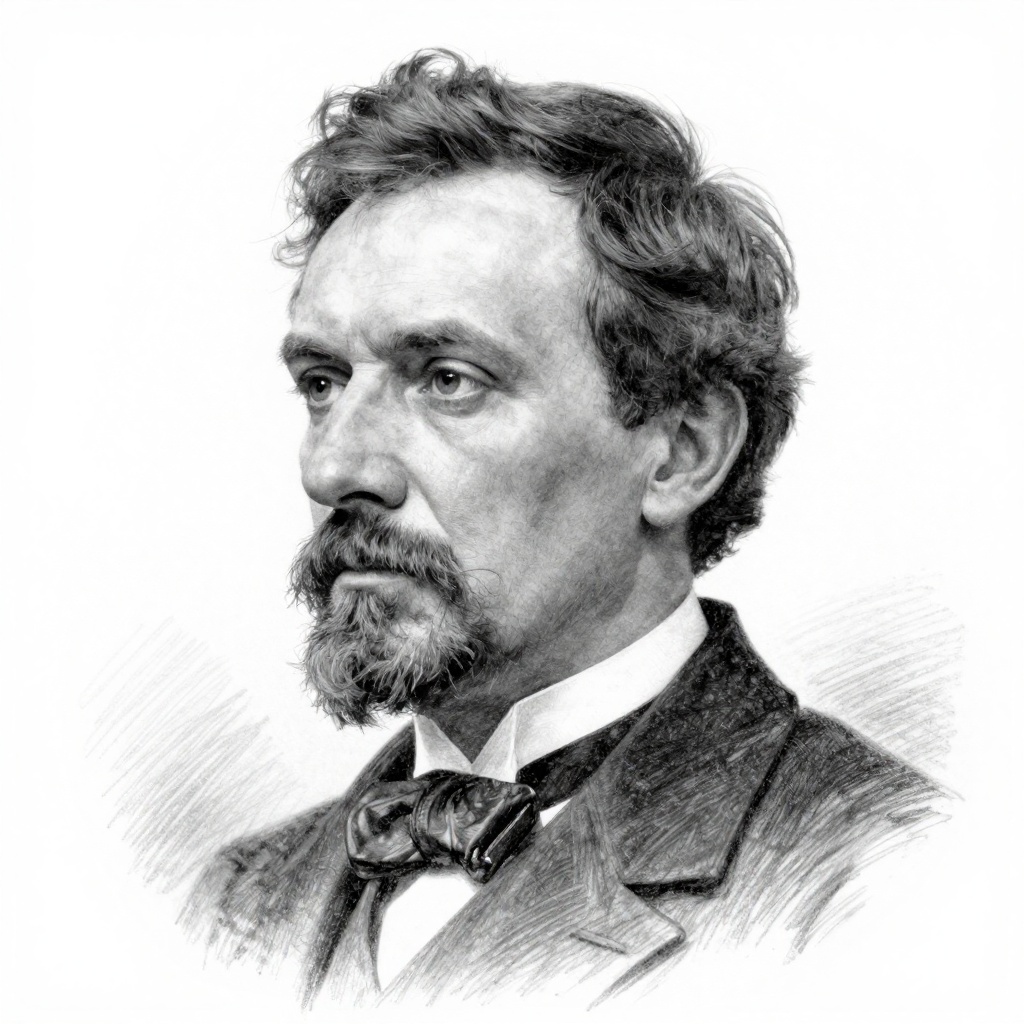
Comments