Quote · Added 14 February 2026
Imagination was given to man to compensate him for what he isn't. A sense of humor was provided to console him for what he is.
Filed underimagination·humor·existence
Quote · Added 14 February 2026
Filed underimagination·humor·existence
We live in an age obsessed with closing the gap between who we are and who we want to be. Self-improvement apps, productivity hacks, side hustles—they're all selling the same dream: become the version of yourself you imagine. But Walpole points to something we've mostly forgotten: imagination isn't just a tool for self-betterment. It's actually a necessary mercy. It lets us dream beyond our constraints, to see possibility where reality offers only limitation. Without it, we'd be trapped in pure fact.
But here's where the humor part gets interesting. While imagination lifts us toward who we might become, humor does something almost opposite—it makes peace with who we actually are right now. That terrible presentation you gave, the awkward thing you said, the way you look in photos, your mediocre cooking—humor doesn't fix these things. It lets you live alongside them without drowning. It's the gentle acceptance that comes wrapped in laughter.
The real insight is that we probably need both in different proportions at different times. Too much imagination without humor and you're perpetually disappointed by reality. Too much humor without imagination and you're stuck in resignation. Most of us are just trying to find the balance between reaching for something better and being okay with what we've got.
1717–1797·lived 79 years
Horace Walpole (1717-1797) was an English author, art historian, and politician best known for his eclectic Gothic Revival house, Strawberry Hill, and for his novel "The Castle of Otranto," considered one of the first Gothic novels. He was a prominent figure in the 18th-century literary scene and contributed significantly to the development of the Gothic genre in literature. In addition to his literary work, Walpole served as a member of Parliament and was an influential collector of art and antiquities.
Also by Horace Walpole
This world is a comedy to those that think, a tragedy to those that feel.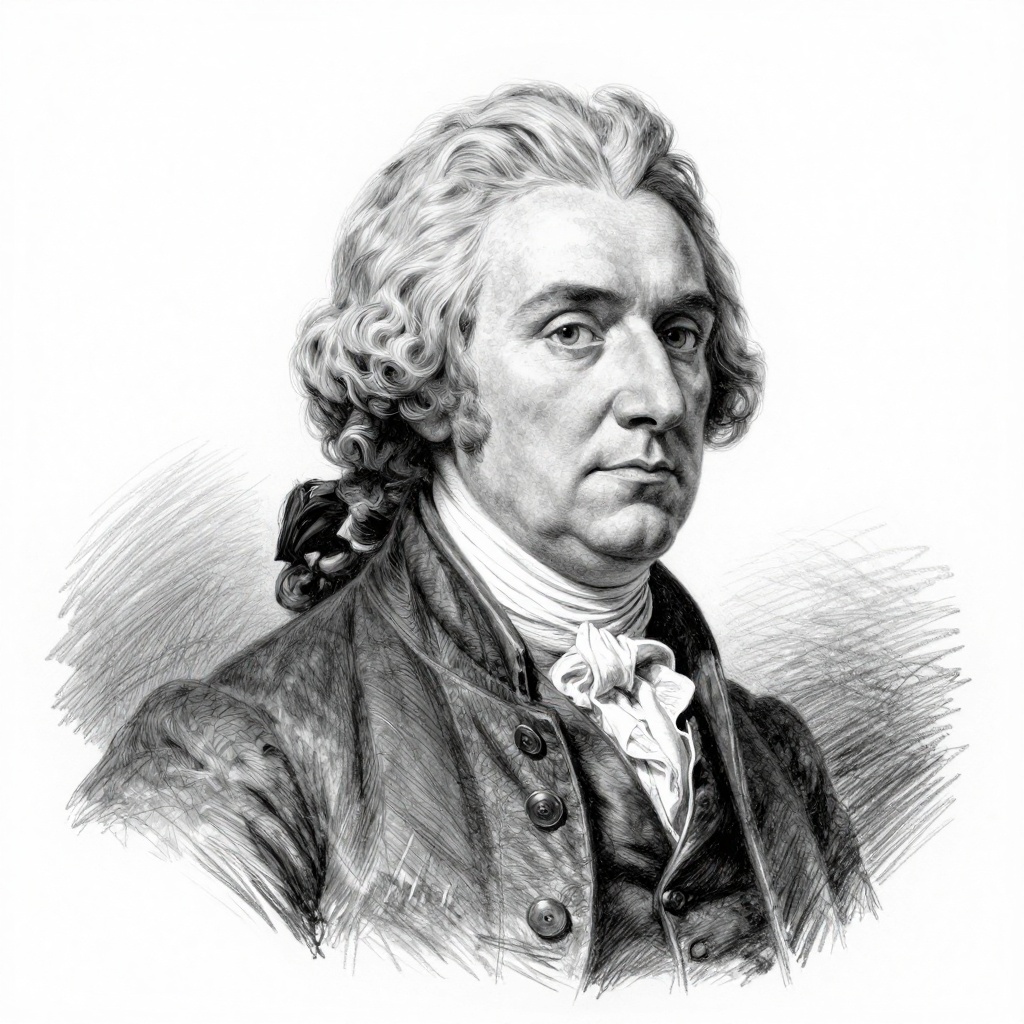
Comments