Quote · Added 19 March 2026
This world is a comedy to those that think, a tragedy to those that feel.
Filed undercomedy·tragedy·perspective
Quote · Added 19 March 2026
Filed undercomedy·tragedy·perspective
There's something almost liberating about stepping back and treating life's chaos like a script instead of a wound. When you're caught in the middle of something painful—a failed project, a disappointment, a relationship ending—the people around you who seem unbothered often aren't cold. They're just observing from a slightly different angle, noticing the absurd patterns, the recurring mistakes, the cosmic joke of it all. That distance isn't indifference; it's a survival skill.
But here's the twist: Walpole isn't really saying thinking people are happy and feeling people are miserable. He's describing two ways of processing the same reality, and both have costs. If you live entirely in your head, analyzing and categorizing, you might miss the texture of actually being alive. If you're purely in your heart, absorbing every slight and setback as personal drama, you'll exhaust yourself. Most of us need both—the thinking that lets us laugh at our own patterns, and the feeling that reminds us why anything matters in the first place. The goal isn't to pick a side, but to know which lens you're looking through and when switching might help.
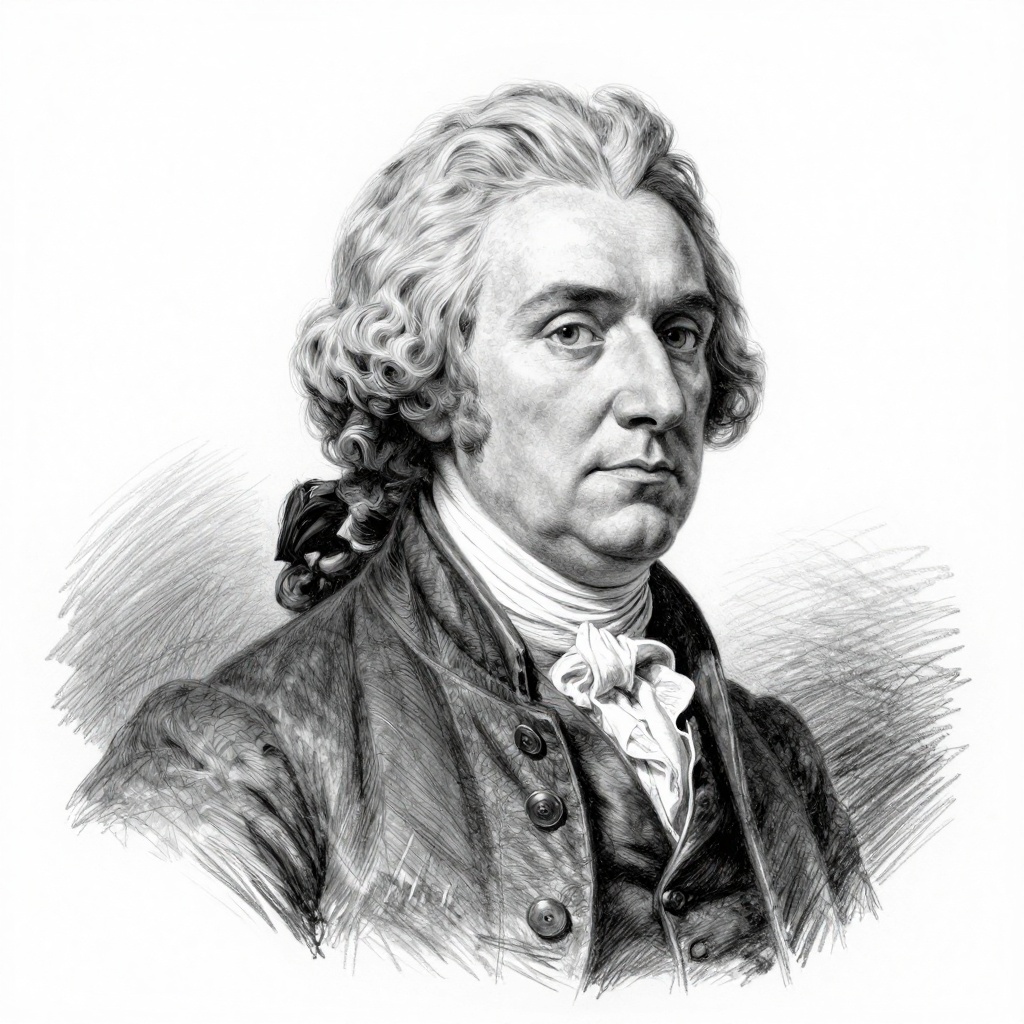
1717–1797·lived 79 years
Horace Walpole (1717-1797) was an English author, art historian, and politician best known for his eclectic Gothic Revival house, Strawberry Hill, and for his novel "The Castle of Otranto," considered one of the first Gothic novels. He was a prominent figure in the 18th-century literary scene and contributed significantly to the development of the Gothic genre in literature. In addition to his literary work, Walpole served as a member of Parliament and was an influential collector of art and antiquities.
Comments