Quote · Added 14 February 2026
Reading
AI generatedKindness outlasts everything else
There's a curious thing that happens when you actually become genuinely kind to people—they tend to remember it far longer than anything else about you. They won't recall whether you were right about something or how much money you had, but they'll remember how you made them feel when they were struggling. Good nature isn't just about being nice; it's about having a steadiness, a fundamental goodwill toward others that doesn't depend on getting something back.
The tricky part is that our culture trains us to optimize for almost everything except this. We're told to accumulate knowledge so we can outcompete, to chase money for security, to build status for validation. But Beecher noticed something simpler: the people who are genuinely easy to be around—who don't make you nervous or defensive, who assume the best about you—those people actually have more power in their relationships and communities than the smartest or richest person in the room. A good-natured person gets the benefit of the doubt, gets help when they need it, gets invited back.
The less obvious insight is that good nature might actually be the most practical trait you can develop. It doesn't require credentials or luck. It's built through small choices about how you respond when you're tired, frustrated, or when someone has disappointed you.
The author
All 16 quotes by Henry Ward Beecher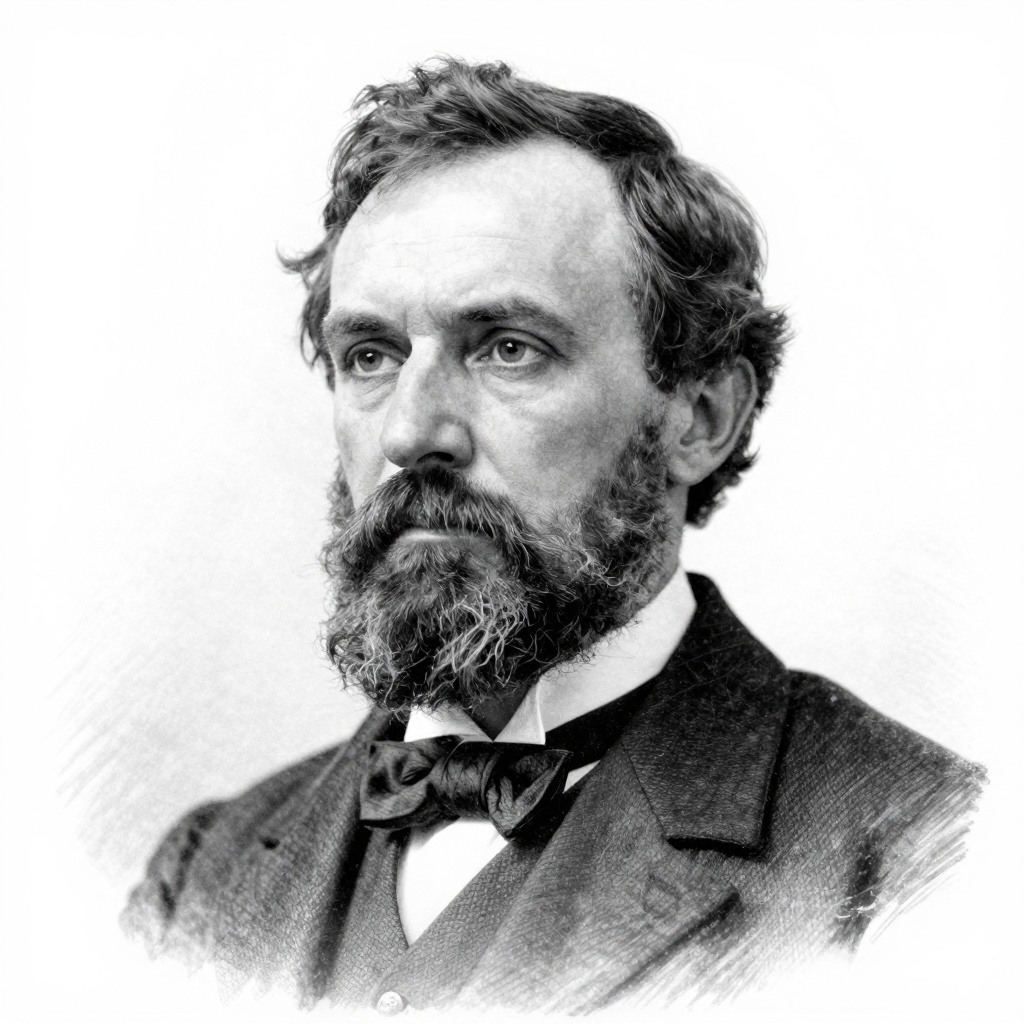
Henry Ward Beecher
1813–1887·lived 73 years
Henry Ward Beecher was an influential and charismatic American preacher, speaker, and social reformer in the 19th century. He is best known for his abolitionist views and powerful oratory skills that drew large crowds to his sermons, advocating for social justice and equality. Henry Ward Beecher played a key role in shaping public opinion on important issues of his time, leaving a lasting impact on American society.
Also by Henry Ward Beecher
Troubles are often the tools by which God fashions us for better things.
Comments