Quote · Added 28 February 2026
Men's best successes come after their disappointments.
Filed undersuccess·disappointment·perseverance
Quote · Added 28 February 2026
Filed undersuccess·disappointment·perseverance
There's something counterintuitive about this that most of us resist. When we fail at something, our instinct is to see it as proof we're not good at it—a final verdict rather than useful information. But if you pay attention to your actual life, you'll notice the people who eventually do impressive things aren't the ones who never stumbled. They're the ones who got knocked down, figured out why, and tried differently.
The real shift happens in what disappointment teaches you that success never can. Failure shows you the edges of what you don't know. It forces you to ask better questions, to adapt, to develop resilience that unopposed success never builds. A relationship that ends teaches you things about yourself a smooth one never would. A project that flops reveals weaknesses in your planning or thinking that you can actually fix. Without that mirror, you stay confident in ways that are actually limiting.
This isn't about toxic positivity or pretending disappointment feels good—it often hurts. But the people who look back on their lives and see real achievement aren't those who avoided failure. They're the ones who treated it as data instead of destiny. That shift from "I failed" to "I learned what doesn't work yet" is often exactly what separates a temporary setback from a turning point.
1813–1887·lived 73 years
Henry Ward Beecher was an influential and charismatic American preacher, speaker, and social reformer in the 19th century. He is best known for his abolitionist views and powerful oratory skills that drew large crowds to his sermons, advocating for social justice and equality. Henry Ward Beecher played a key role in shaping public opinion on important issues of his time, leaving a lasting impact on American society.
Also by Henry Ward Beecher
Troubles are often the tools by which God fashions us for better things.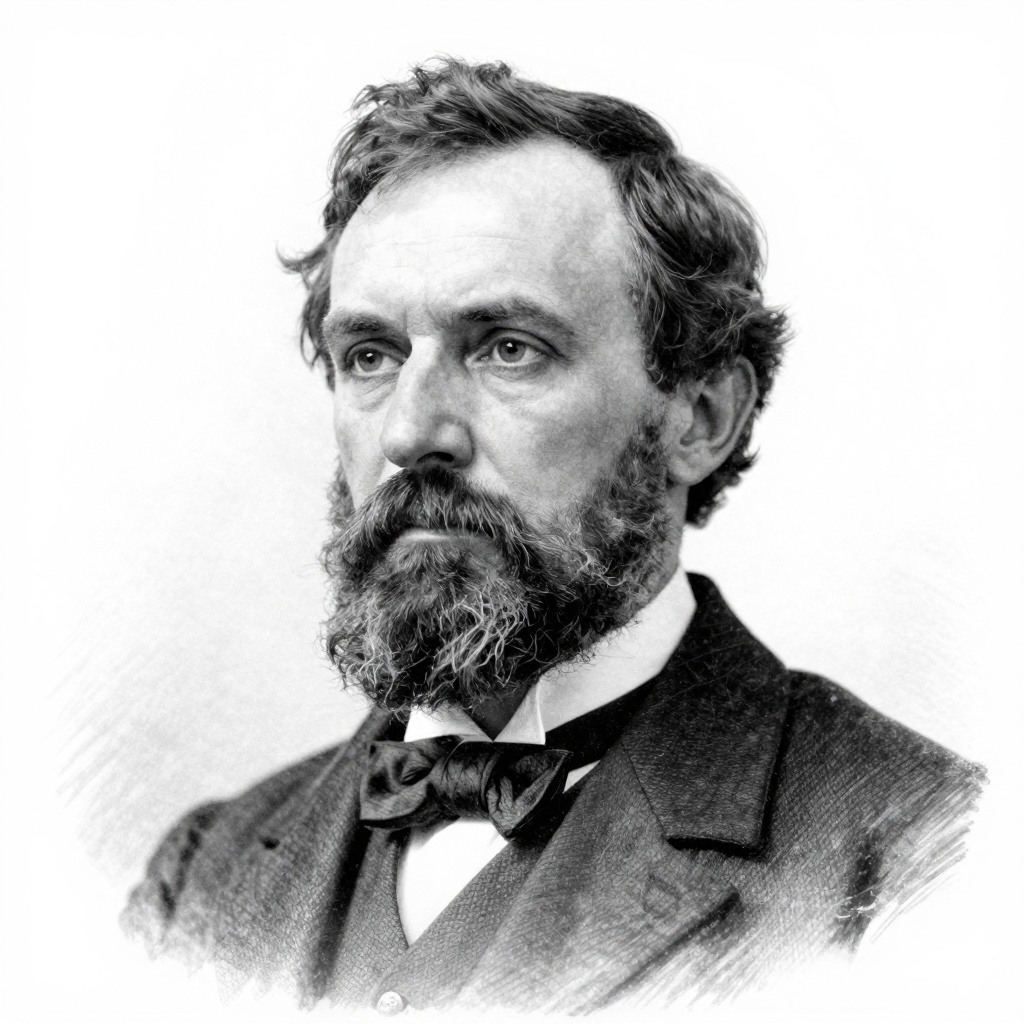
Comments