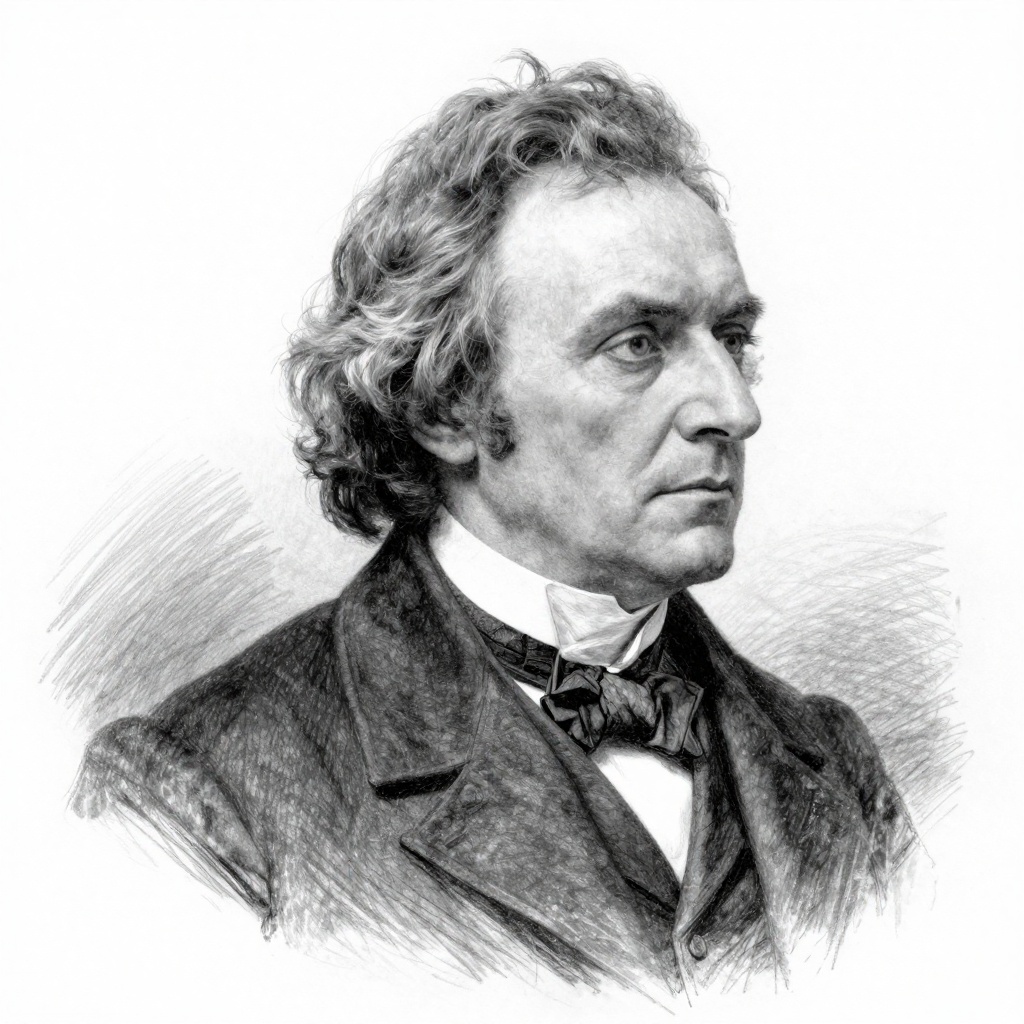
Perseverance is a great element of success. If you only knock long enough and loud enough at the gate, you are... — Henry Wadsworth Longfellow

Perseverance is a great element of success. If you only knock long enough and loud enough at the gate, you are sure to wake up somebody.

Author: Henry Wadsworth Longfellow

Insight: Most of us know that persistence matters, but we often miss what actually makes it work. It's not that you're wearing down some cosmic resistance—it's that you're literally increasing the odds of meeting the right person at the right moment. Someone has to be home to answer the door, and if you give up after three knocks, you'll never know if they were walking toward it anyway. The tricky part is that persistence doesn't feel like strategy; it feels like stubbornness or even delusion. Especially when nothing's happening yet. You could be sending emails into a void, pitching ideas that get rejected repeatedly, or showing up to an empty door for months. But Longfellow's image captures something real: you're not responsible for whether someone's listening right now. You're only responsible for knocking. The person inside might be asleep, busy, or skeptical today. But tomorrow changes things. This matters now more than ever, because we have constant access to immediate feedback. One rejection feels final. One bad meeting feels definitive. What persistence actually means is accepting that timing and circumstances matter as much as effort, and that the gate gets answered on someone else's schedule, not yours.

Persistence is about timing, not willpower

Perseverance is a great element of success. If you only knock long enough and loud enough at the gate, you are sure to wake up somebody.

Most of us know that persistence matters, but we often miss what actually makes it work. It's not that you're wearing down some cosmic resistance—it's that you're literally increasing the odds of meeting the right person at the right moment. Someone has to be home to answer the door, and if you give up after three knocks, you'll never know if they were walking toward it anyway.

The tricky part is that persistence doesn't feel like strategy; it feels like stubbornness or even delusion. Especially when nothing's happening yet. You could be sending emails into a void, pitching ideas that get rejected repeatedly, or showing up to an empty door for months. But Longfellow's image captures something real: you're not responsible for whether someone's listening right now. You're only responsible for knocking. The person inside might be asleep, busy, or skeptical today. But tomorrow changes things.

This matters now more than ever, because we have constant access to immediate feedback. One rejection feels final. One bad meeting feels definitive. What persistence actually means is accepting that timing and circumstances matter as much as effort, and that the gate gets answered on someone else's schedule, not yours.

AI generated

Comments

Sign in to leave a comment or reply to one.

Sign in

Henry Wadsworth Longfellow

Henry Wadsworth Longfellow was an American poet and educator known for his lyric poems, including "Paul Revere's Ride," "The Song of Hiawatha," and "The Cross of Snow." He was one of the most popular and widely read poets of his time, celebrated for his ability to capture the spirit of American life and history in his works.

Graph

Related