Quote · Added 14 February 2026
This world is but a canvas to our imagination.
No ratings yet
Filed undercanvas·imagination·creativity
Quote · Added 14 February 2026
Filed undercanvas·imagination·creativity
We spend most of our lives treating the world as fixed—as something that exists independently of how we see it. But Thoreau's point cuts deeper: the world you actually live in is largely the one you imagine. Two people walking the same street see completely different places. One sees obstacles and ugliness; another sees possibility and beauty. Neither is objectively wrong. They're just working with different canvases.
The practical implication is both liberating and slightly uncomfortable. If the world is partly a canvas to our imagination, then we have more responsibility for our experience than we'd like to admit. You can't blame circumstances entirely for your mood or your sense of what's possible. But you also can't underestimate how much power you hold—not to change external facts, but to genuinely alter what you perceive and how you relate to it. This is why two people in identical situations can feel radically different futures opening up.
The tricky part is that imagination isn't just wishful thinking or positive vibes. It's about genuinely seeing what's actually there—the potential, the connections, the meaning—rather than just the surface. When you stop treating your surroundings as a fixed backdrop and start engaging with them as raw material for interpretation, even ordinary moments become richer. That's not magical thinking. That's paying attention.
1817–1862·lived 44 years
Henry David Thoreau was an American essayist, poet, and philosopher, known for his transcendentalist writings advocating for individualism, nature appreciation, and civil disobedience. He is best known for his book "Walden, or Life in the Woods," which reflects on simple living in natural surroundings and has inspired generations of environmentalists and activists.
Also by Henry David Thoreau
That man is richest whose pleasures are cheapest.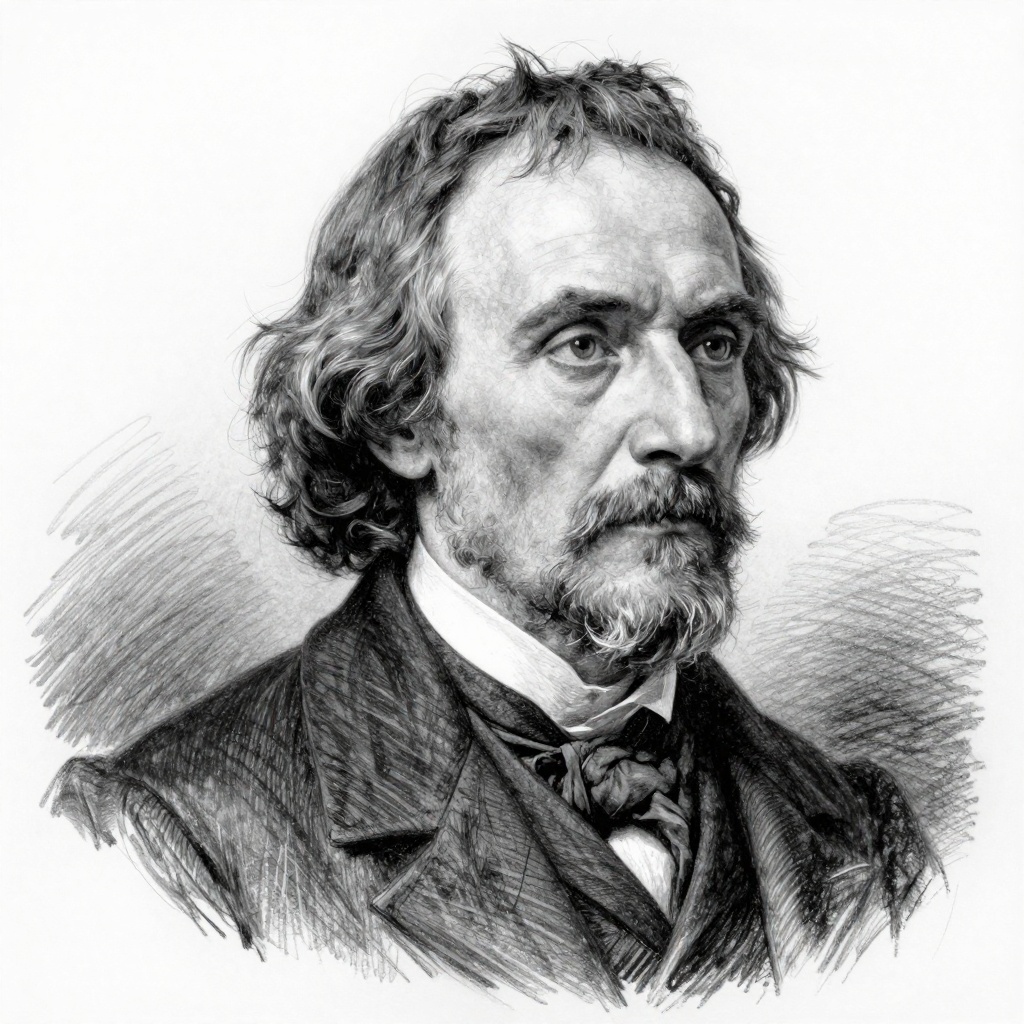
Comments