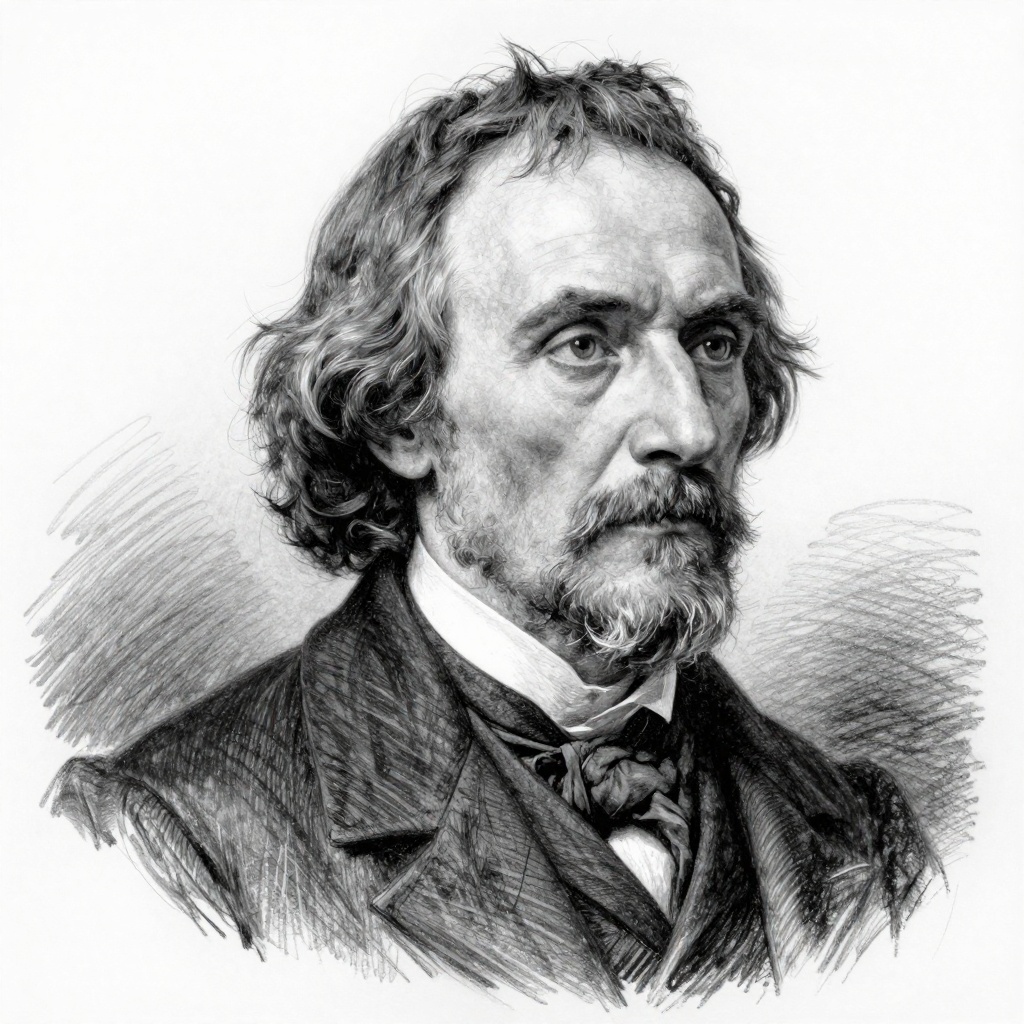
This curious world which we inhabit is more wonderful than it is convenient; more beautiful than it is useful;... — Henry David Thoreau
This curious world which we inhabit is more wonderful than it is convenient; more beautiful than it is useful; it is more to be admired and enjoyed, then, than it is to be used.
Author: Henry David Thoreau
Insight: Most of us move through the world in a strictly utilitarian way—we see a forest and think about timber, we see a river and think about hydroelectric power, we see time and think about productivity. Thoreau's point cuts against this habit: we're trained to ask "what's this for?" when we should sometimes just ask "isn't this remarkable?" There's a real loss in that shift, even when we don't notice it happening. The tricky part is that he's not arguing for pure idle aesthetics. He's saying that a world experienced primarily through usefulness is a diminished world. When you rush past a morning sunrise because you're already thinking about your inbox, you've missed something—not in some vague spiritual sense, but because you've actually experienced less of what's real and present. The convenience and utility we've built our lives around has become a kind of tunnel vision. What's slightly counterintuitive is that this isn't really about slowing down or being a nature person. It's about recognizing that wonder and admiration aren't luxuries we treat ourselves to after we've been productive—they're part of what makes life worth the effort in the first place. The world's beauty isn't a bonus feature. It's closer to the whole point.
Source: Walden, p. 318, 1854