Quote · Added 8 February 2026
Things do not change; we change.
Henry David ThoreauWalden, p. 263, 1854
No ratings yet
Filed underchange·growth·perspective
Quote · Added 8 February 2026
Filed underchange·growth·perspective
We spend a lot of energy waiting for circumstances to shift—a new job, a move, a relationship ending—as if the world itself will suddenly feel different. But Thoreau points at something harder to swallow: the world stays mostly the same. What changes is us, our perspective, what we choose to pay attention to. A commute you've hated for years isn't actually worse today than it was yesterday. What's different is whether you've decided it matters less, or noticed something new about it, or simply accepted it.
This is both frustrating and liberating. Frustrating because it means you can't just wait passively for relief. Liberating because it means you're not actually trapped by your circumstances—you're trapped by how you're looking at them. The person who transforms their life rarely does it by overturning everything. They do it by changing how they move through an ordinary day. They start noticing the light in the kitchen. They stop assuming everyone's judging them. They decide the work means something different now.
This is why the same situation can feel crushing to one person and manageable to another. Not because one is delusional, but because they've genuinely changed. Thoreau reminds us that this shift is always available to us, even when we feel most stuck.
1817–1862·lived 44 years
Henry David Thoreau was an American essayist, poet, and philosopher, known for his transcendentalist writings advocating for individualism, nature appreciation, and civil disobedience. He is best known for his book "Walden, or Life in the Woods," which reflects on simple living in natural surroundings and has inspired generations of environmentalists and activists.
Also by Henry David Thoreau
That man is richest whose pleasures are cheapest.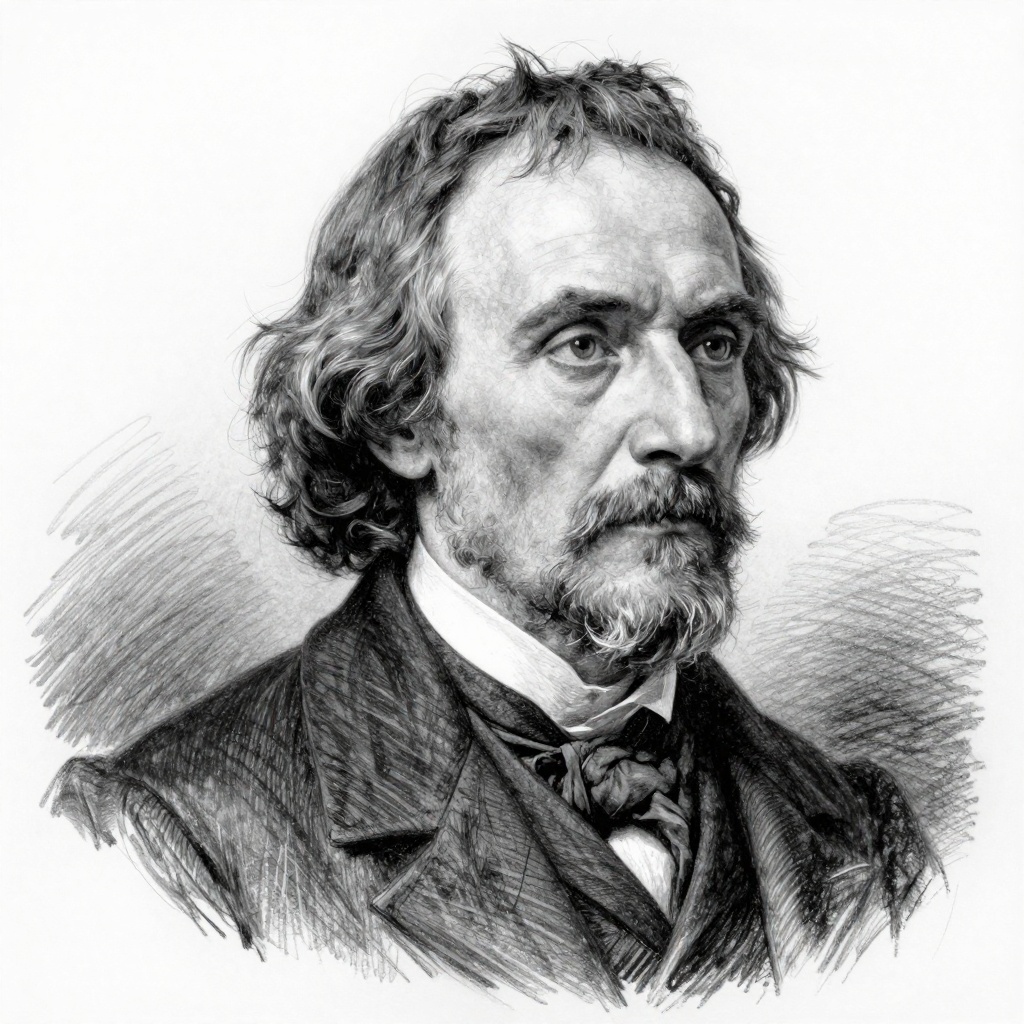
Comments