Quote · Added 17 August 2023
The mass of men lead lives of quiet desperation.
Henry David ThoreauWalden, 1854
No ratings yet
Filed underdespair·existence·conformity
Quote · Added 17 August 2023
Filed underdespair·existence·conformity
There's something oddly comforting about this line, even though it describes something bleak. Thoreau wasn't trying to depress us—he was naming something most people feel but rarely say out loud. That gap between the life you're living and the life you imagined for yourself. The job that pays the bills but slowly erodes your sense of purpose. The relationships that feel obligatory rather than chosen. The daily routines that numb rather than enliven.
What makes this observation sting is the word "quiet." Not dramatic suffering or obvious crisis, but the low hum of resignation. We wake up, do what's expected, and convince ourselves this is just how things are. We're not suffering loudly—we're suffering efficiently, keeping it contained so no one has to deal with it. And maybe that's why Thoreau bothered to point it out. Not to be gloomy, but to suggest that this quiet desperation isn't inevitable or noble. It's a choice we keep making, often without fully realizing we're making it.
The non-obvious part? Sometimes the first step toward a fuller life isn't dramatic change. It's just naming what's actually happening instead of pretending everything's fine.
1817–1862·lived 44 years
Henry David Thoreau was an American essayist, poet, and philosopher, known for his transcendentalist writings advocating for individualism, nature appreciation, and civil disobedience. He is best known for his book "Walden, or Life in the Woods," which reflects on simple living in natural surroundings and has inspired generations of environmentalists and activists.
Also by Henry David Thoreau
That man is richest whose pleasures are cheapest.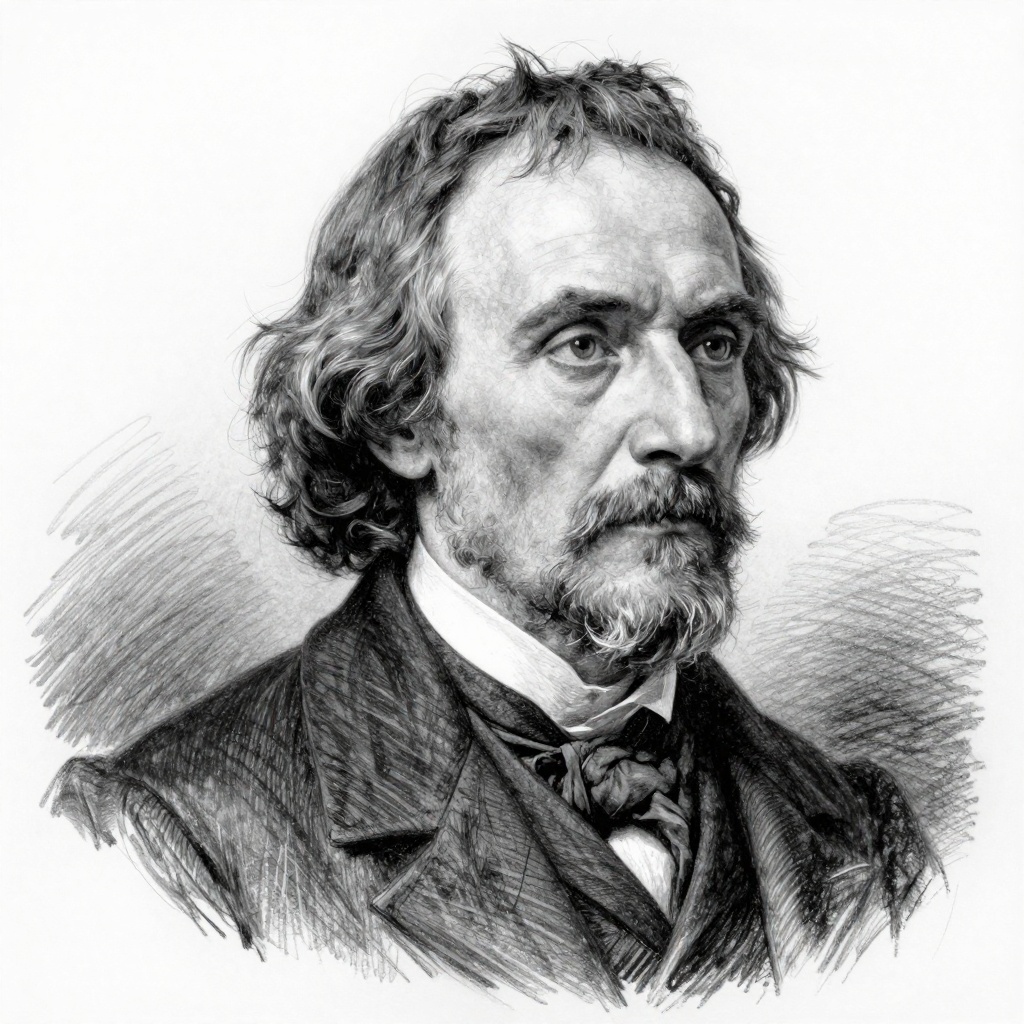
Comments