Quote · Added 8 February 2026
The language of friendship is not words but meanings.
Henry David ThoreauA Week on the Concord and Merrimack Rivers, 1849
No ratings yet
Filed underlanguage·friendship·meaning
Quote · Added 8 February 2026
Filed underlanguage·friendship·meaning
Real friendship operates in a language most people never consciously learn. You know the feeling—sitting with someone and communicating volumes without saying much at all. A glance across a room that says "I see you're uncomfortable." A text that's just an emoji because they'll understand exactly what you mean. The shared silence that feels better than awkward chatter with strangers. This is what Thoreau meant. Words are just the scaffolding; the actual connection lives in how well you understand each other's unspoken needs, rhythms, and fears.
The tricky part is that this kind of fluency takes time to develop. You can't rush it or fake it. Early friendships often feel exhausting because you're still translating constantly, still explaining yourself. But as years pass with someone, you stop needing the translations. You develop a shorthand that outsiders can't penetrate—inside jokes, knowing when someone needs space versus company, recognizing when they're lying about being fine. This is why some acquaintances can talk for hours and feel empty afterward, while five minutes with an old friend nourishes you completely.
The warning here is subtle: don't mistake compatibility in words for real friendship. Two people can have stimulating conversations and still not truly know each other. Real friendship is built in the meanings—the things you don't have to say because they're already understood.
1817–1862·lived 44 years
Henry David Thoreau was an American essayist, poet, and philosopher, known for his transcendentalist writings advocating for individualism, nature appreciation, and civil disobedience. He is best known for his book "Walden, or Life in the Woods," which reflects on simple living in natural surroundings and has inspired generations of environmentalists and activists.
Also by Henry David Thoreau
That man is richest whose pleasures are cheapest.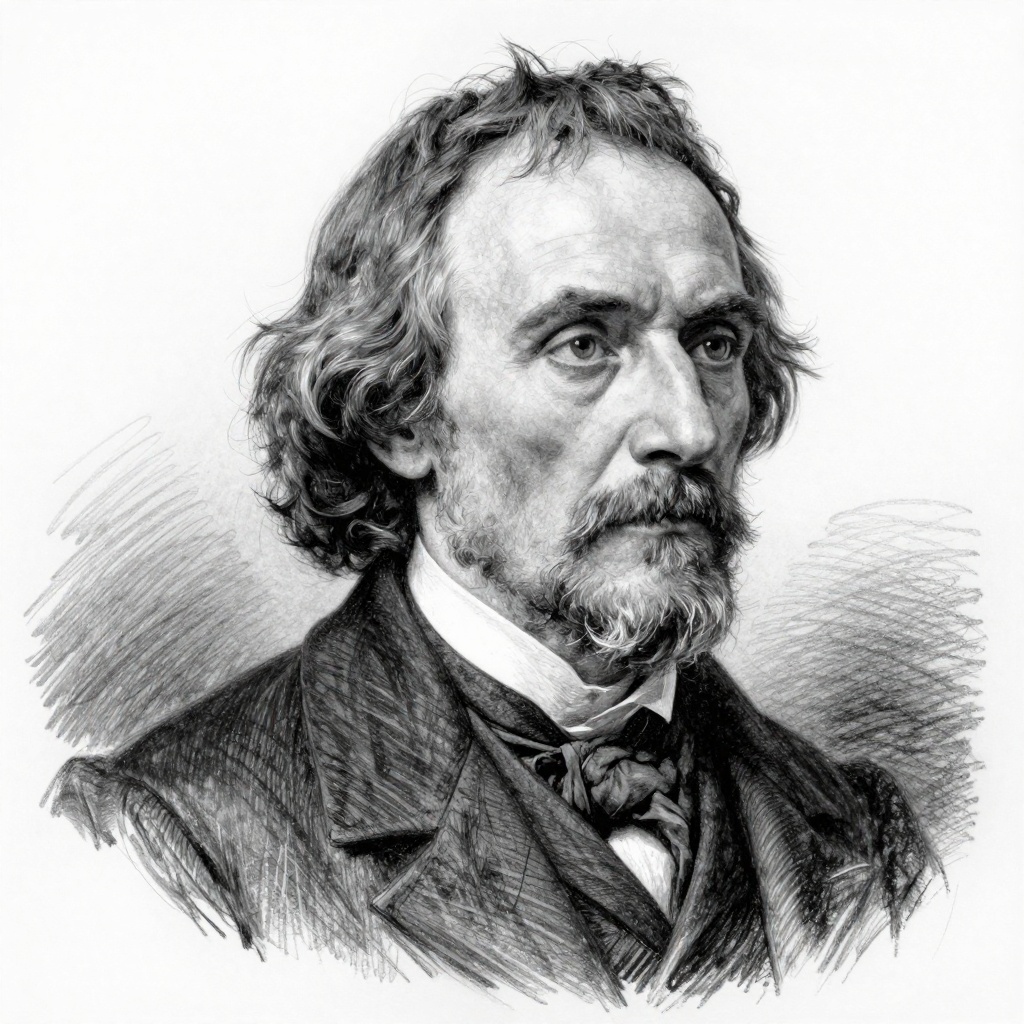
Comments