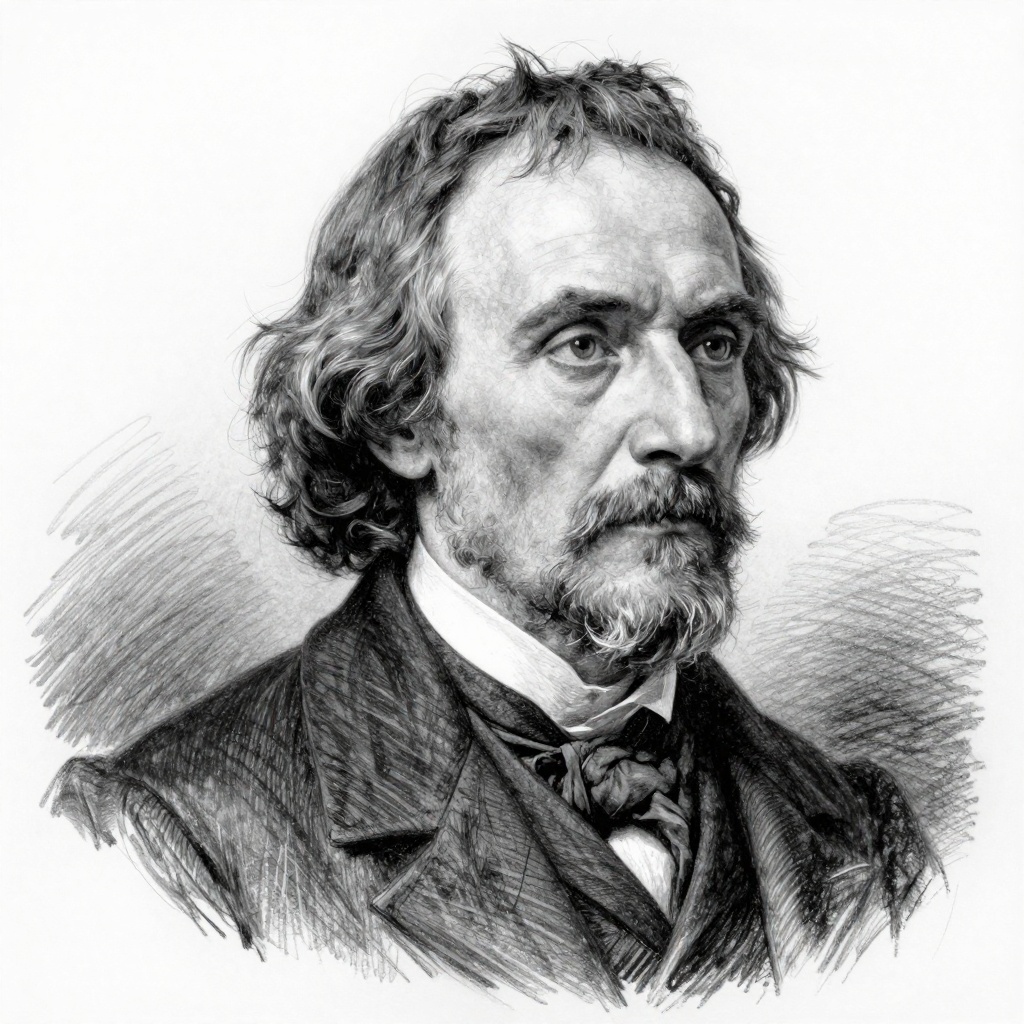
Make the most of your regrets; never smother your sorrow, but tend and cherish it till it comes to have a sepa... — Henry David Thoreau

Make the most of your regrets; never smother your sorrow, but tend and cherish it till it comes to have a separate and integral interest. To regret deeply is to live afresh.

Author: Henry David Thoreau

Insight: Most of us treat regret like a household pest—something to exterminate as quickly as possible. We push it away, distract ourselves, or convince ourselves it doesn't matter. But Thoreau suggests the opposite: that regret actually contains something worth preserving. Not wallowing, not obsessing, but genuinely tending to it like you'd tend a garden. The strange part? This act of looking directly at what went wrong isn't morbid. It's clarifying. When you sit with a real regret instead of numbing it, something shifts. You start to understand not just what happened, but why it mattered to you. That reveals what you actually value—whether it's kindness you failed to show, a risk you didn't take, or a person you hurt. Thoreau calls this "living afresh" because you're not just moving on. You're extracting the actual lesson, the real knowledge about yourself that was trapped in that mistake. The trick is the difference between cherishing sorrow and being crushed by it. One is active reflection; the other is passive suffering. When you tend your regrets deliberately, they stop being anchors and become mirrors. You get to see yourself more clearly, and that clarity is exactly what lets you do better next time.

Source: Journals, October 6, 1857

Make the most of your regrets; never smother your sorrow, but tend and cherish it till it comes to have a separate and integral interest. To regret deeply is to live afresh.

Henry David ThoreauJournals, October 6, 1857

Regret as Mirror, Not Anchor

Most of us treat regret like a household pest—something to exterminate as quickly as possible. We push it away, distract ourselves, or convince ourselves it doesn't matter. But Thoreau suggests the opposite: that regret actually contains something worth preserving. Not wallowing, not obsessing, but genuinely tending to it like you'd tend a garden. The strange part? This act of looking directly at what went wrong isn't morbid. It's clarifying.

When you sit with a real regret instead of numbing it, something shifts. You start to understand not just what happened, but why it mattered to you. That reveals what you actually value—whether it's kindness you failed to show, a risk you didn't take, or a person you hurt. Thoreau calls this "living afresh" because you're not just moving on. You're extracting the actual lesson, the real knowledge about yourself that was trapped in that mistake.

The trick is the difference between cherishing sorrow and being crushed by it. One is active reflection; the other is passive suffering. When you tend your regrets deliberately, they stop being anchors and become mirrors. You get to see yourself more clearly, and that clarity is exactly what lets you do better next time.

Comments

Sign in to leave a comment or reply to one.

Sign in

Henry David Thoreau

Henry David Thoreau was an American essayist, poet, and philosopher, known for his transcendentalist writings advocating for individualism, nature appreciation, and civil disobedience. He is best known for his book "Walden, or Life in the Woods," which reflects on simple living in natural surroundings and has inspired generations of environmentalists and activists.

Graph

Related