Quote · Added 14 February 2026
It is only when we forget all our learning that we begin to know.
Henry David ThoreauA Week on the Concord and Merrimack Rivers, p. 123, 1849
No ratings yet
Quote · Added 14 February 2026
Most of us assume that knowing more means accumulating more information. We add books to our shelves, credentials to our résumés, facts to our mental filing cabinet. But Thoreau points at something stranger: that our accumulated knowledge can actually build walls between us and reality. When you approach a forest already convinced you understand trees, you stop looking. You filter what you see through what you think you already know.
This matters in everyday life more than we realize. The person who's read three parenting books enters the nursery with a rigid framework rather than seeing their actual child. The experienced worker stops noticing what's shifted in their industry. Even in relationships, we sometimes replace real listening with the story we've already written about someone. Our learning becomes a filter instead of a lens.
The non-obvious part is that forgetting isn't really about erasing memories. It's about softening your grip on what you think you know. It's the willingness to see your kid, your work, your world as if for the first time, without the running commentary of expertise clouding your vision. That openness—that intellectual humility disguised as forgetfulness—is where fresh understanding actually begins.
1817–1862·lived 44 years
Henry David Thoreau was an American essayist, poet, and philosopher, known for his transcendentalist writings advocating for individualism, nature appreciation, and civil disobedience. He is best known for his book "Walden, or Life in the Woods," which reflects on simple living in natural surroundings and has inspired generations of environmentalists and activists.
Also by Henry David Thoreau
That man is richest whose pleasures are cheapest.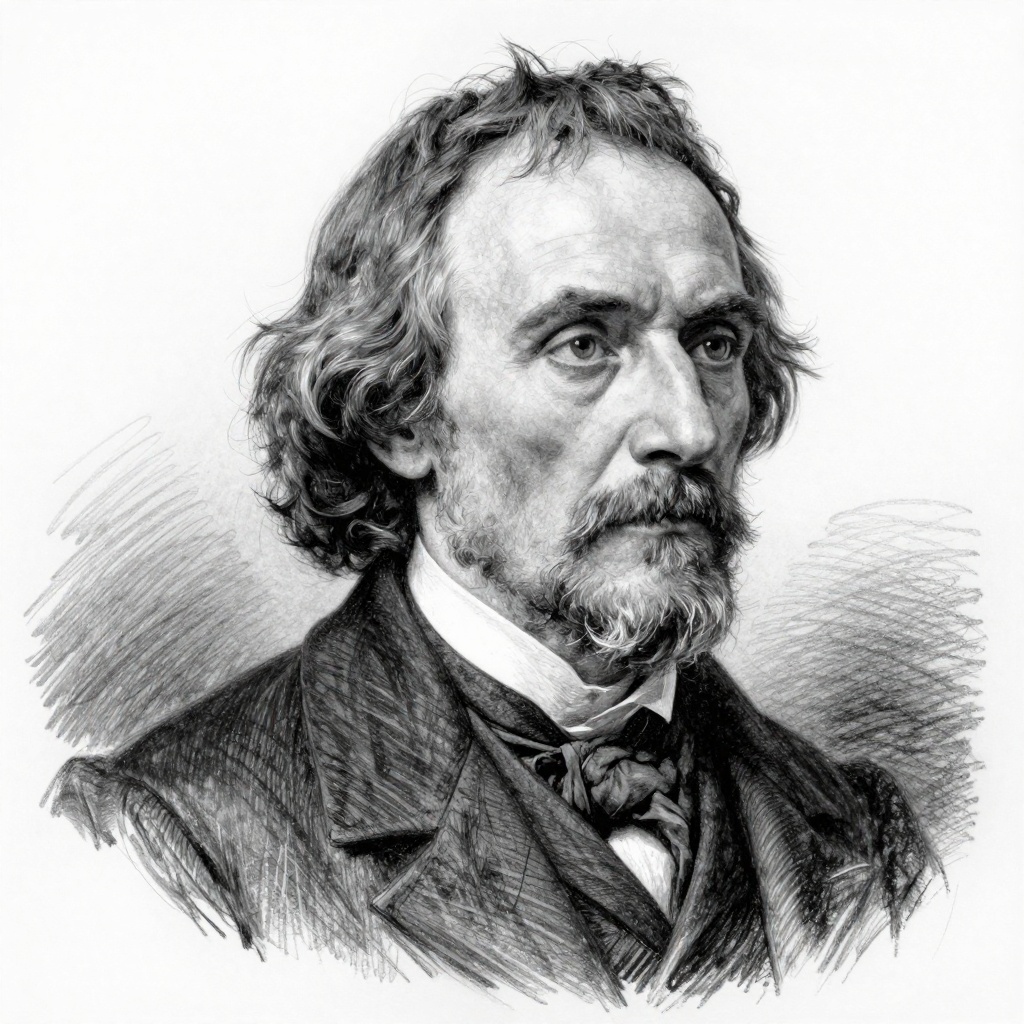
Comments