Quote · Added 14 February 2026
If I knew for a certainty that a man was coming to my house with the conscious design of doing me good, I should run for my life.
Henry David ThoreauCivil Disobedience, 1849
No ratings yet
Quote · Added 14 February 2026
There's something almost radical in Thoreau's wariness here, and it cuts deeper than simple misanthropy. When someone shows up convinced they know exactly what will improve your life, they're not really seeing you—they're seeing a problem to be solved, a gap between who you are and who they think you should be. That certainty is the dangerous part. It closes off conversation and treats your autonomy like an obstacle.
We encounter this impulse constantly now, dressed up as helpfulness. A friend who "just wants to help" by restructuring your entire life. A relative who decides your career choices need correcting. Online spaces full of people certain they've found the one true path to happiness, health, or success. The problem isn't the intention to do good—it's that certainty. When someone believes they already know what you need, they stop listening. They start managing.
Thoreau wasn't saying we should never help each other. He was pointing out that real help requires humility: a willingness to be surprised by who someone actually is, what they actually want, and whether your solution even fits their problem. The people worth keeping around are usually the ones who ask questions first and offer wisdom second.
1817–1862·lived 44 years
Henry David Thoreau was an American essayist, poet, and philosopher, known for his transcendentalist writings advocating for individualism, nature appreciation, and civil disobedience. He is best known for his book "Walden, or Life in the Woods," which reflects on simple living in natural surroundings and has inspired generations of environmentalists and activists.
Also by Henry David Thoreau
That man is richest whose pleasures are cheapest.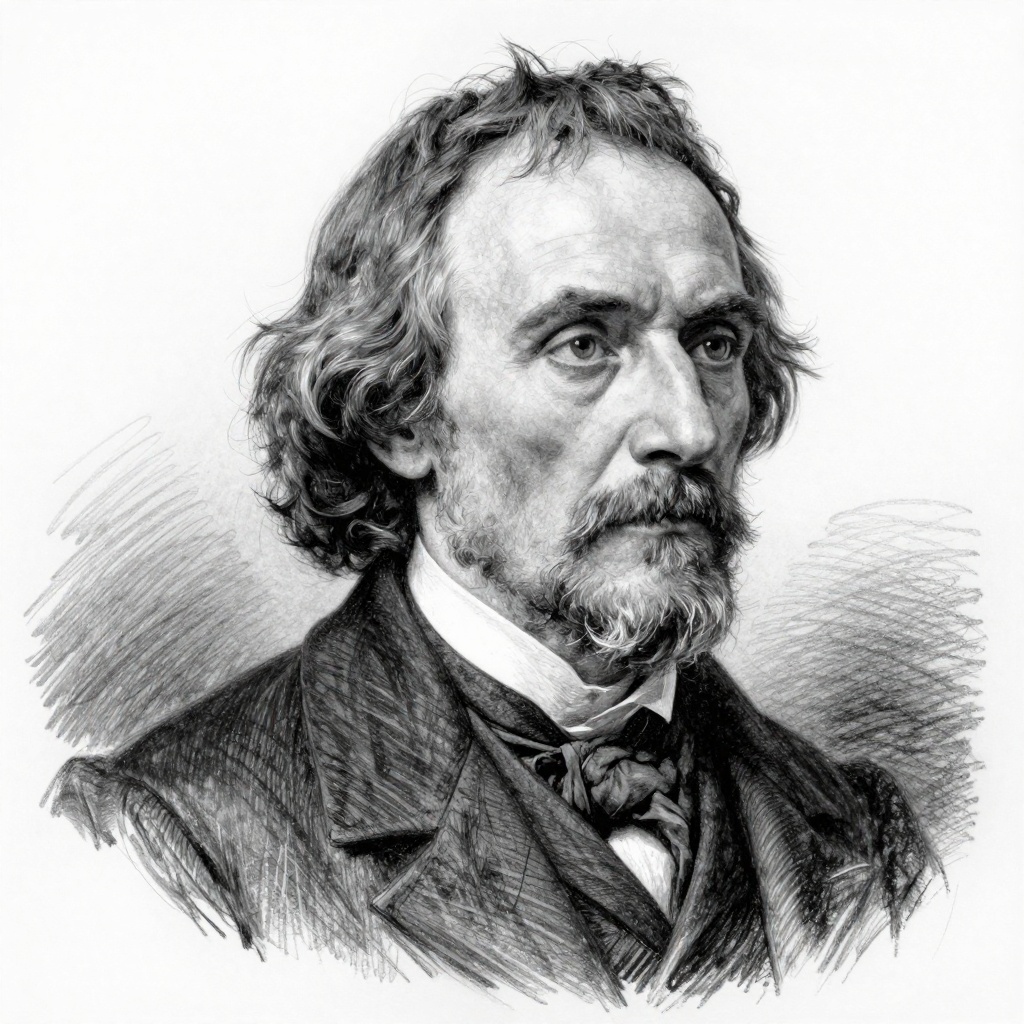
Comments